RVault Box
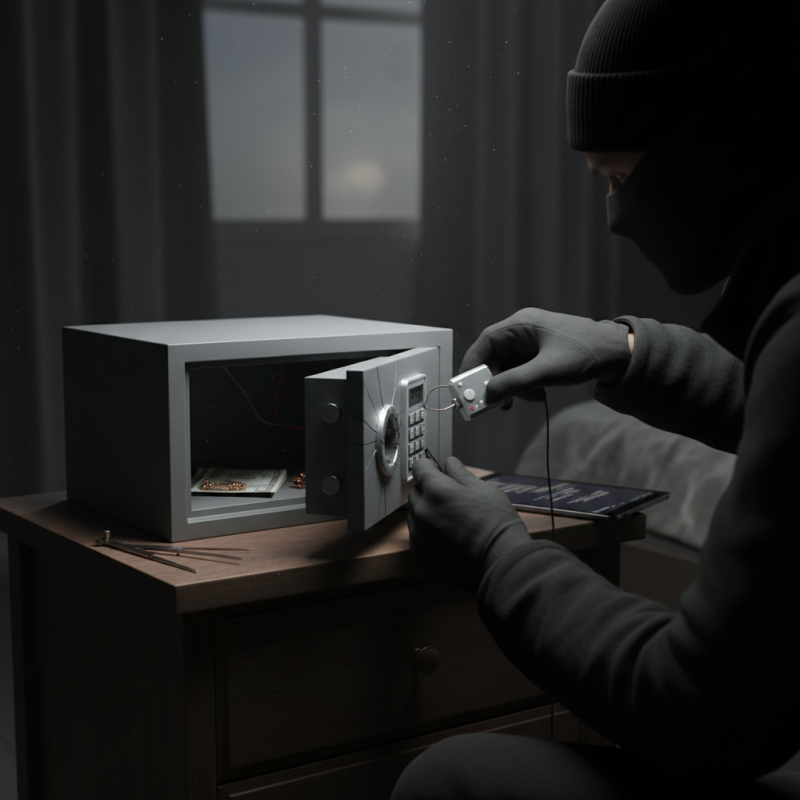
In today's digital age, securing personal belongings has become a priority for many. Amidst rising crime rates, the demand for affordable digital safes has surged. However, consumers often ask, "Can burglars easily crack a cheap digital safe?" The answer lies in understanding both the technology and the vulnerabilities associated with these safes.
According to a report by the Security Industry Association, nearly 65% of home burglaries involve forced entries. Many burglars are aware of the weaknesses of inexpensive digital safes. These safes may use basic technology that is susceptible to hacking or manipulation. While they provide a level of security, the advantage can easily tip in favor of a seasoned intruder.
Expert reviews consistently indicate that the most affordable digital safes often lack robust locking mechanisms. Many employ basic keypads, which can be vulnerable to various techniques. Trustworthy brands invest in advanced security features. Choosing a cheap option might save money initially but can leave valuables at risk. Balancing budget and security is essential for effective personal protection.
When considering affordable digital safes, understanding their features and benefits is crucial. A good digital safe should offer a reliable locking mechanism and sufficient space for your valuables. Many models provide user-friendly keypad access and backup key options for added security. Look for safes that prioritize fire resistance and water protection to safeguard documents and electronics.
Tips for selecting a digital safe include assessing its size. Ensure it fits your valuables without being overly cumbersome. Many users find it easy to overlook how heavy a safe can be. Consider where to place it for easy access yet optimal security. Some individuals make the mistake of not bolting down their safes, which can make it easier for thieves to take the entire unit.
Not all cheap digital safes are created equal. While budget options may suffice for basic needs, they may lack advanced security features. Some may be vulnerable to tampering. It's essential to research and read real customer reviews. This helps identify potential weaknesses. A personal failing is assuming that a low cost guarantees security. Always weigh the price against the expected protection level.
When considering digital safes, understanding their security mechanisms is crucial. Common types include keypad, biometric, and smart digital safes.
Keypad safes often use numeric codes, making them susceptible to simple guessing. Reports from the Security Industry Association suggest that about 30% of safe breaches involve brute-force attacks on keypad systems.
Biometric safes rely on fingerprints for access. These systems are generally more secure but can be flawed. Inaccuracies in fingerprint recognition lead to denied access for legitimate owners. According to a survey by a leading security firm, 15% of users reported issues with biometric functionality.
Smart digital safes connect to the internet, adding another layer of complexity in their security features. However, this connectivity also opens potential vulnerabilities, including hacking risks. A study by the Cybersecurity and Infrastructure Security Agency highlighted that nearly 50% of smart devices lacked basic security protocols. Each type of digital safe offers meaningful benefits and drawbacks, making careful evaluation essential before purchase.
When considering the safety of digital safes, several factors influence their vulnerability to burglars. One key aspect is the technology used. Many digital safes rely on electronic locks, which can sometimes be bypassed. This makes understanding the locking mechanism crucial. Simpler electronic systems are easier targets compared to those with advanced security features.
Additionally, the construction materials of the safe play an important role. A safe made of thin steel can be compromised easily. Thicker steel or reinforced materials provide better resistance against brute-force attacks. It's essential to evaluate the safe's weight and anchor points, as a heavier, well-anchored safe is much harder to steal or break into.
Moreover, user behavior significantly impacts security. A common mistake is setting predictable passcodes. Using complex combinations can deter potential thieves. Regularly updating codes and not sharing them with others is also vital. These seemingly small decisions can have a big impact on the overall effectiveness of a digital safe.
Digital safes can be an affordable solution for protecting valuables. User reviews often share mixed opinions about their effectiveness. Some customers report satisfaction with their cheap digital safes, noting ease of use and reliable security features. They appreciate the lightweight design and simple operation. However, others express concern about their locking mechanisms.
Many users mention how their experiences differ. Some found these safes easy to program and secure. Yet, others claimed to have encountered issues with malfunctions. Reviews highlight that while some safes worked well for years, others failed after a short period. This inconsistency raises questions about whether cheap options are worth the investment.
It's crucial to consider the material and build quality when choosing a safe. Many inexpensive models are made of lighter materials, which could make them susceptible to brute force. Ultimately, user experiences underscore the need for thorough research. Purchasers should weigh their own security needs before making a decision.
| Safe Model | Price ($) | Security Rating (1-5) | Ease of Use (1-5) | User Reviews (Count) | Recommendation |
|---|---|---|---|---|---|
| Model A | 79.99 | 4 | 5 | 150 | Yes |
| Model B | 99.99 | 5 | 4 | 200 | Yes |
| Model C | 59.99 | 3 | 4 | 75 | No |
| Model D | 89.99 | 4 | 3 | 120 | Yes |
| Model E | 49.99 | 2 | 5 | 40 | No |
When considering digital safes, enhancing their security is crucial. A report by the Security Industry Association (SIA) indicated that about 38% of burglaries involve forced entry. This statistic highlights the importance of solidifying your safe's defenses. Many digital safes come with electronic locks. However, they can be vulnerable to simple hacking techniques if not managed properly. Users often overlook the significance of choosing strong, unique passcodes. Studies show that default codes are easily guessed, making unauthorized access more attainable for burglars.
The physical placement of a digital safe can also impact its security. It should ideally be concealed within walls or bolted down. A National Crime Prevention report reveals that safes hidden behind or within furniture reduce the likelihood of theft. Regularly updating passwords and using two-factor authentication are essential practices. These methods can significantly reduce a safe’s susceptibility to breaches. Ultimately, while digital safes offer convenience, they require diligent security measures to provide reliable protection against determined thieves.
re cheap digital safes effective for protecting valuables?
Many users report concerns about locking mechanisms and inconsistent performance over time.
Build quality matters. Cheaper models often use lighter materials, making them vulnerable to force.
Strong, unique passcodes and regular updates are essential for better protection.
Positioning is key. Concealing it in walls or bolting it down can deter thieves.
Default codes are easy to guess. This significantly raises the risk of unauthorized access.
Regularly updating passwords is crucial. It helps maintain a robust security level.
Yes, two-factor authentication adds an extra layer of security, making breaches less likely.
Research thoroughly. Assess your own security needs and the safe's material quality.
Yes, user experiences highlight that some safes malfunction after short periods of use.
In the exploration of 2026's best affordable digital safes, it is crucial to consider their features and benefits, as well as the common types and their respective security mechanisms. Many consumers find themselves questioning, "Can burglars easily crack a cheap digital safe?" The review of these safes highlights factors that influence their vulnerability, including construction materials, locking systems, and overall design. User reviews suggest that while low-cost options may offer basic protection, they often lack advanced security features found in premium models.
To enhance the security of digital safes, adopting best practices such as proper installation and choosing safes with higher security ratings is essential. Ultimately, while affordable digital safes can serve as a deterrent, their effectiveness largely depends on the precautions taken by the user. Investing in additional security measures can significantly reduce the likelihood of unauthorized access.
