RVault Box RVault Box

2026 Best Tips for Changing Your Mechanical Dial Safe Combination?

Time:2026-05-16 Author:Liam
0%

Changing the combination on a mechanical dial safe can seem daunting. However, mastering this skill is vital for safeguarding your possessions. Many people struggle with simple, yet crucial aspects of this process. Learning how to change the combination on a mechanical dial safe correctly ensures your security is up to date.

One often overlooked detail is understanding your safe's specific mechanism. Each model can have unique instructions that differ from others. Therefore, consulting the user manual is essential to prevent mistakes. Mistakes can lead to complications, such as locking yourself out of your safe inadvertently.

The process requires patience and a steady hand. Take your time to locate the precise sequence for your dial safe. It’s easy to rush and misalign numbers, causing frustration. A methodical approach fosters confidence while handling this task. Reflecting on past experiences with failed combinations can motivate you to conquer this challenge efficiently. Change is needed, and making a mistake teaches valuable lessons in attention and care.
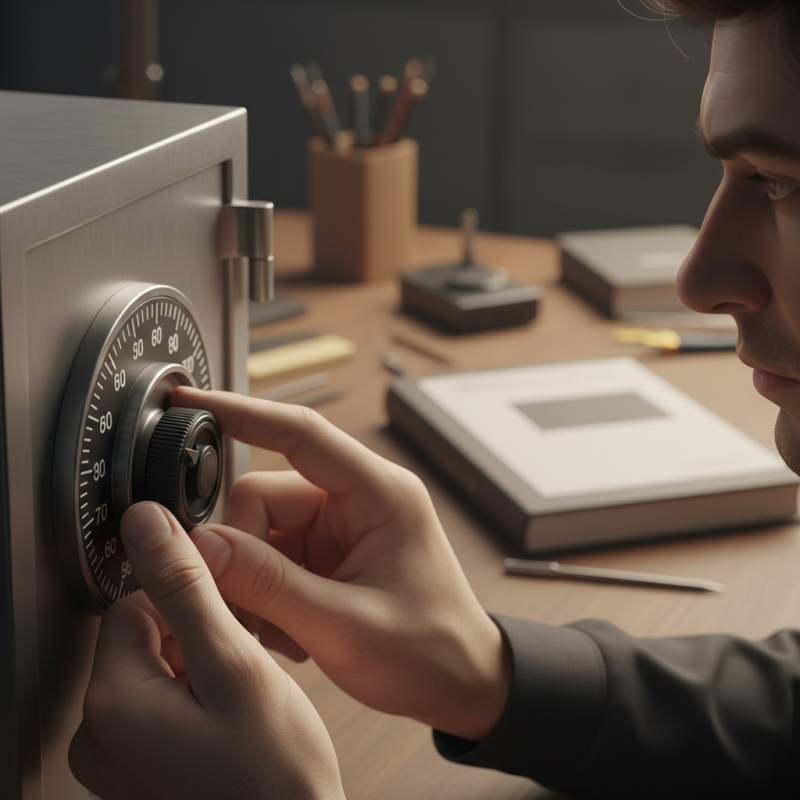
2026 Best Tips for Changing Your Mechanical Dial Safe Combination?

Understanding Mechanical Dial Safes and Their Combinations

Mechanical dial safes are commonly used for securing valuables. Understanding how they work is vital for safe usage. These locks use a rotating dial and a series of internal gears to open. Each time you turn the dial, you influence the internal mechanism. It’s essential to remember each step in the combination sequence.

Changing the combination of your mechanical dial safe can seem daunting. The process often requires specific attention to detail. You may need tools to access the internal components. Each safe can have a unique method for changing the combination, so consulting the manual is beneficial. Ensure you record your new combination securely. Mistakes can lead to unintended lockouts.

Regularly reviewing how your safe functions can enhance security. Some users forget the combination over time. This forgetfulness can generate panic. It’s helpful to practice dialing the combination frequently. It keeps your memory sharp and reinforces the locking mechanism's familiarity. Embracing this routine can prevent common issues.

Preparing for the Combination Change Process

Changing the combination on a mechanical dial safe requires careful preparation. Understanding the combination change process is key to ensuring a successful transition. Start by gathering essential tools. You may need a screwdriver and possibly a flashlight for better visibility. Make sure you are in a quiet environment, free from distractions.


Before starting, take a moment to familiarize yourself with the mechanism. Look for the user manual if available; it can provide valuable insights. If you don’t have one, remember that each safe has unique features. Consider practicing on a non-functional model if you have access to one. This hands-on experience can ease your anxiety about the actual combination change.


As you prepare, be aware of potential mistakes. Misalignment of components can lead to frustration. Take your time to ensure everything is correctly placed. After changing the combination, test it several times to confirm it works under various conditions. While it's normal to feel nervous, approach the process step-by-step. Maintaining focus will help you minimize errors and boost your confidence throughout the journey.

Step-by-Step Instructions for Changing the Combination

Changing the combination of your mechanical dial safe can seem daunting, but it's manageable with the right approach. Begin by gathering necessary tools: a flashlight and a notepad for recording details. Ensure the safe is open before starting. If the safe is closed, you may need assistance from a professional.

Start with the dial facing you. Rotate it several times to clear any previous settings. Choose a new combination, ideally a set of numbers that are memorable yet obscure. Consider avoiding patterns, such as 123 or 000. Turn the dial to the left until you reach the first number. Make sure to pause slightly before continuing to the next number, as this helps the mechanism engage properly.

After setting the new combination, test it multiple times to ensure it works. This step is crucial. If it fails, double-check each number individually. Keep a record of the new combination in a secure location. Remember to revisit the combination every few months to reinforce your memory. This method protects your belongings. Changing the combination enhances security, but it also requires careful attention to detail. Mistakes can happen, and being patient is key.

Troubleshooting Common Issues During the Change

Changing the combination on a mechanical dial safe can be a daunting task. Many people face issues during this process. When you attempt to change the combination, the first step is to understand the mechanism. The dial must align perfectly with internal gears. If it feels stuck, do not force it; this may cause damage. Gently wiggle the dial while turning it.

Another common issue is the ability to memorize the new combination. Write it down temporarily. Avoid storing it in obvious places. If you forget, you may struggle to regain access. Often, users misread the dials, leading to failures. Practice a few times before relying on the new combination for security.

If you encounter resistance while rotating the dial, check for debris. Dust can clog the internal workings. Regular maintenance is vital. Keeping the safe clean can prevent future problems. Always approach the change with patience and a clear mind. Rushing can lead to mistakes or misalignment. Take the time to reflect if something doesn’t seem right.

Changing Mechanical Dial Safe Combination: Common Issues Encountered

This bar chart displays the common issues encountered when changing the combination of a mechanical dial safe, based on user feedback. The data represents the frequency of each issue reported during the change process.

Best Practices for Maintaining Your Mechanical Dial Safe

Maintaining your mechanical dial safe is crucial for its longevity and reliability. Regular use can lead to wear and tear. Ensure you rotate the dial smoothly and avoid jerking movements. This careful handling helps prevent internal malfunctions. If you notice any resistance while turning the dial, that could signal an issue. Address it quickly to avoid being locked out.

Humidity and dust can also impact your safe’s performance. Keep the safe in a dry, clean environment. Consider using silica gel packets to absorb excess moisture. Regularly wipe the dial and surrounding areas with a soft cloth to remove dust. These small actions can make a big difference in performance.

Reflecting on your locking habits is just as important. Sometimes, we may forget combinations or input them incorrectly out of haste. Taking a moment to focus can reduce errors. Document any changes to the combination in a secure place, not near the safe itself. This way, you maintain access without compromising security.

FAQS

: How does a mechanical dial safe work?

: It uses a rotating dial and internal gears to unlock. Each turn influences the mechanism.

What should I do if I forget my combination?

Writing it down is helpful. Avoid obvious storage spots to prevent easy access.

Can I change the combination easily?

Changing combinations can be complex. It requires attention to detail and tools to access components.

What if the dial feels stuck when changing the combination?

Don’t force it. Gently wiggle the dial while turning to avoid damage.

How can I improve my memory of the combination?

Practice dialing the combination regularly. This reinforces memory and familiarity with the mechanism.

What maintenance does my mechanical dial safe need?

Regular cleaning is essential. Dust can clot internal workings, causing issues.

What should I avoid when changing the combination?

Rushing can create mistakes. Always approach the process patiently with a clear mind.

Why is it vital to consult the manual for my safe?

Each safe has unique methods for changing the combination. Manuals provide essential steps.

What happens if I misread the dials?

Misreading can lead to failures in accessing the safe. Practice helps prevent this.

How can panic occur with a safe?

Forgetting the combination can generate anxiety. Regular practice helps to reduce this risk.

Conclusion

Changing the combination on a mechanical dial safe is a crucial skill for maintaining security and access. This process involves understanding the basic principles of mechanical dial safes and how their combinations operate. To effectively prepare for the combination change, it is important to gather the necessary tools and familiarize yourself with the safe's mechanism. The article provides step-by-step instructions, ensuring users can confidently follow the process to change the combination on a mechanical dial safe.

In addition, common troubleshooting tips are discussed to address any issues that may arise during the combination change. Finally, the article emphasizes best practices for maintaining the safe, ensuring its longevity and reliability. By following these guidelines, users can effectively manage their mechanical dial safe and enhance its security over time.

Liam

Liam

Liam is a dedicated marketing professional with a profound expertise in the industry, where he excels at highlighting the unique advantages of our core products. With a keen understanding of market trends and consumer needs, Liam frequently updates our company’s professional blog, providing......