RVault Box
Maintaining a secure gun safe is crucial for any responsible gun owner. However, moisture and mold pose significant risks to firearms and ammunition. Recent studies indicate that mold can thrive in environments with humidity levels above 60%. This raises the question of how to prevent moisture and mold inside a gun safe effectively.
Professionals recommend controlling humidity levels to safeguard your collection. Using dehumidifiers, silica gel packs, or moisture absorbers can significantly reduce moisture buildup. The American Society of Heating, Refrigerating and Air-Conditioning Engineers emphasizes the importance of maintaining relative humidity between 30-50%. This range is ideal for preventing mold and protecting your valuable firearms.
Despite these measures, many gun owners still face issues with dampness. Regular inspections and maintenance are often neglected. It's crucial to inspect your safe occasionally for any signs of moisture or mold. Being proactive ensures long-term protection and preserves the integrity of your firearms. Remember, understanding how to prevent moisture and mold inside a gun safe can make a significant difference in your collection's safety.
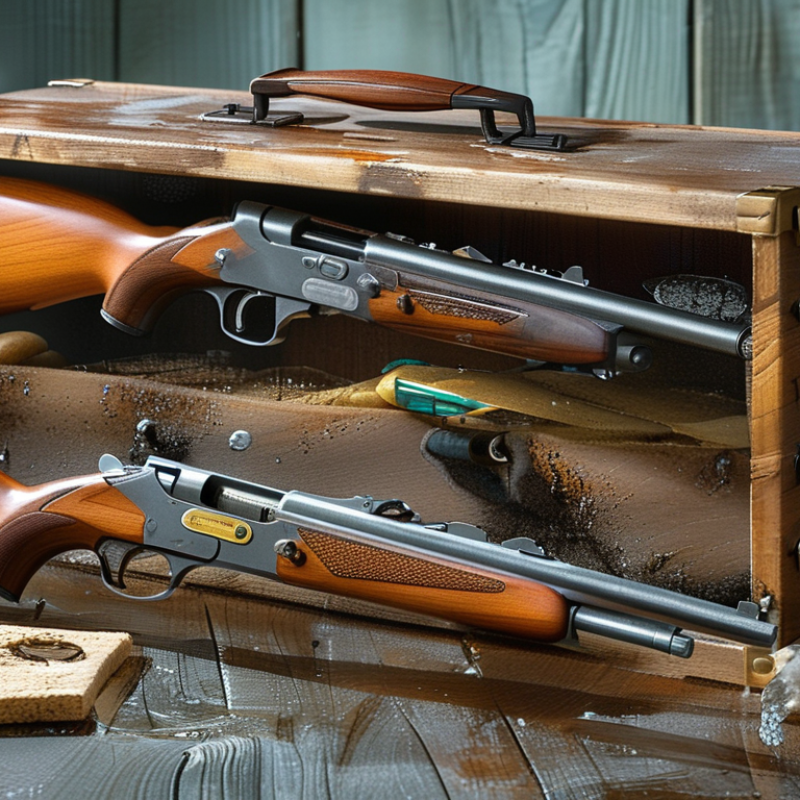
Moisture and mold can be serious threats to gun safes. Understanding their causes is crucial for prevention. High humidity levels are often the first culprit. When the air is damp, moisture can seep into safes, especially if they are not sealed properly. Condensation can form inside the safe, leading to an environment conducive to mold growth. Even small amounts of moisture can wreak havoc over time.
Temperature fluctuations can also contribute to moisture issues. When a safe is exposed to heat and cold, it may create condensation. This is particularly true for safes placed in garages or basements, where temperatures vary significantly. The materials inside the safe can absorb moisture, adding to the problem. Regular checks are needed to ensure that the interior remains dry.
Inadequate ventilation can make matters worse. If air cannot circulate freely, the moist air becomes trapped. Consider installing a dehumidifier or using desiccants to control moisture levels. These methods can provide an extra layer of protection. Remember, keeping your gun safe dry requires ongoing attention. Addressing these small issues before they turn into larger problems is essential.
Choosing the right location for your gun safe is crucial in preventing moisture and mold build-up. Humidity levels can vary greatly depending on where the safe is placed. A recent industry report indicates that ideal indoor humidity should be between 30% and 50%. Locations such as basements or garages, typically prevalent with moisture, should be avoided. Instead, consider placing the safe in a climate-controlled room or an upper floor away from external wall moisture sources.
Ventilation plays an essential role in maintaining ideal humidity levels. A poorly ventilated area can trap heat and moisture, leading to mold growth. Opt for a space with good air circulation. If possible, keep the safe away from windows that might allow humidity from the outdoors. Even minor changes in location can significantly impact moisture levels. Some users even report mold issues arising from small leaks or condensation near window seals.
Reflect on your current safe location and examine the surrounding environment. Is it prone to temperature changes? Are there any signs of moisture? Assessing these factors can help you make informed decisions. Remember, preventing moisture is not just about placing your safe; it’s also about understanding your home’s humidity dynamics and maintaining a proactive approach.
To effectively manage moisture in gun safes, it's essential to focus on practical solutions. One common issue is humidity. Elevated moisture levels can lead to mold growth and rust on firearms. A simple approach is using silica gel packs. These packets absorb excess moisture. Place them in your safe to create a drier environment.
Another effective method is maintaining a stable temperature. Fluctuations can cause condensation. Consider installing a small dehumidifier. These devices are easy to use and can dramatically reduce humidity. Regularly check the humidity levels with a hygrometer to ensure the environment is ideal for your firearms.
It's crucial to inspect your safe regularly for signs of moisture. Look out for damp spots or musty odors. If you notice these, take immediate action. Ventilating your safe is another preventive measure. Opening it occasionally can circulate air and dry out the interior. Keeping your safe organized and dry makes a difference. Implementing these practices can help protect your investment.
| Tip | Description | Effectiveness | Cost |
|---|---|---|---|
| Use Silica Gel | Place silica gel packets inside the safe to absorb excess moisture. | High | Low |
| Install a Dehumidifier | Use a small dehumidifier designed for enclosed spaces. | Very High | Medium |
| Regularly Check Humidity Levels | Use a hygrometer to monitor the humidity inside the safe. | Medium | Low |
| Keep the Safe in a Climate-Controlled Environment | Place the safe in an area with stable temperature and humidity. | Very High | High |
| Avoid Storing Wet Items | Ensure firearms and accessories are completely dry before storing. | High | No Cost |
Maintaining the right temperature and humidity levels in gun safes is essential for preserving firearms. Excess moisture can lead to mold growth and corrosion. It’s important to create an environment that deters these issues.
A hygrometer can be a valuable tool in monitoring indoor humidity levels. Aim for a relative humidity of 30-50%. If humidity is too high, consider a dehumidifier or desiccants. These tools help absorb excess moisture effectively.
Regularly inspect your safe for signs of moisture. Look for condensation or damp spots. These can indicate underlying humidity problems. Keep the safe in a climate-controlled area when possible, as drastic temperature changes contribute to moisture issues.
This chart illustrates the risk levels of mold associated with different humidity ranges in gun safes. Keeping humidity between 30-50% significantly reduces the risk of mold growth.
Regular inspection and maintenance are crucial for preventing mold growth in gun safes. High humidity levels can create an environment conducive to mold. According to the National Institute of Standards and Technology, mold thrives in environments with humidity above 60%. When inspecting gun safes, look for signs of moisture. Check for water stains or discoloration, as these can be indicators of a hidden problem.
Utilizing moisture-absorbing materials can help control humidity. Silica gel packs or specialized desiccants can absorb excess moisture. Regularly replace these materials to maintain effectiveness. Additionally, consider using a hygrometer to monitor humidity levels inside the safe. This device can provide accurate readings, ensuring conditions remain within a safe range.
Understanding the common pitfalls is essential. Many gun owners overlook the importance of proper ventilation. Even when a safe appears dry, stagnant air can lead to condensation. Maintaining some airflow can mitigate this risk. Regular maintenance checks can prevent costly damage and protect valuable items. Awareness and proactive steps are critical in safeguarding against mold in gun safes.
: High humidity levels can seep into safes, especially if not sealed properly.
Fluctuations between heat and cold can create condensation inside the safe.
Inadequate ventilation can trap moist air, promoting mold growth inside.
The ideal indoor humidity should be between 30% and 50%.
Place the safe in a climate-controlled room, away from moisture sources.
Yes, even minor leaks or condensation around window seals can lead to problems.
Yes, regular checks are necessary to ensure the interior remains dry.
Consider using a dehumidifier or desiccants for extra moisture control.
Examine temperature changes and moisture signs around the safe's environment.
Yes, avoid basements and garages, as these areas typically have higher moisture levels.
In the quest to understand how to prevent moisture and mold inside a gun safe, it's crucial to identify the underlying causes of these issues. High humidity levels and inadequate ventilation can lead to moisture accumulation, fostering mold growth that can compromise the contents of the safe. Choosing the right location for your gun safe is vital; placing it in a dry, temperature-controlled area away from damp basements or laundry rooms can make a significant difference.
To effectively control moisture, utilizing desiccants, dehumidifiers, or moisture-absorbing products can help maintain optimal humidity levels. Regularly monitoring the temperature and humidity within the safe, as well as conducting routine inspections, ensures that any signs of mold are addressed promptly. Incorporating these preventive measures not only protects your firearms but also extends the lifespan of your gun safe.
