RVault Box RVault Box

2026 Best Ways to Clean and Maintain Your Safe Locking Mechanism?

Time:2026-06-19 Author:Sophia
0%

In today's world, securing our valuables is crucial. Proper management of a safe's locking mechanism is a key factor in maintaining its security. Expert locksmith John Smith emphasizes, "Regular maintenance on your safe lock is essential to ensure its reliability." This advice highlights the importance of knowing how to clean and maintain a safe's locking mechanism.

Cleaning and maintenance may seem straightforward, yet many overlook these tasks. Dust and grime can accumulate over time, potentially causing malfunctions. The act of cleaning requires attention to detail. Using the right tools and technique can enhance the lock's performance and lifespan.

Experts recommend using specialized lubricants to prevent corrosion. However, over-lubrication can attract dirt. Balancing these aspects can be tricky. By understanding how to clean and maintain a safe's locking mechanism, you contribute to its overall longevity. Addressing minor issues before they escalate is vital for sustainable security. Investing time in these tasks pays off, ensuring peace of mind for years to come.
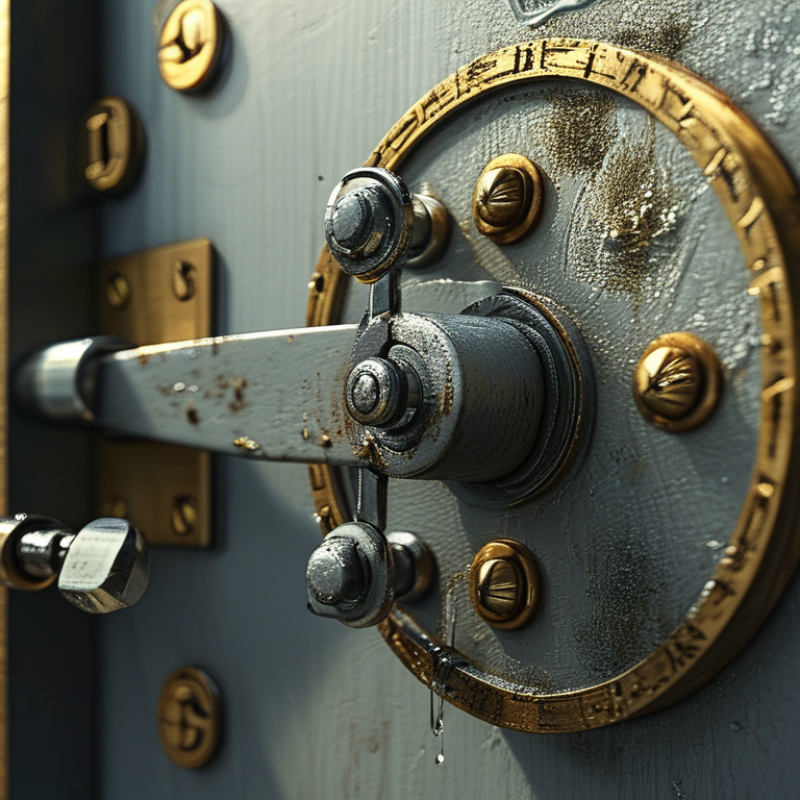
2026 Best Ways to Clean and Maintain Your Safe Locking Mechanism?

Best Practices for Cleaning Safe Locking Mechanisms: An Overview

Maintaining your safe locking mechanism is crucial for its longevity. Regular cleaning helps ensure smooth operation and reduces the risk of malfunctions. Dust, dirt, and debris can accumulate, leading to wear and tear. A clean lock operates more efficiently and securely.

Tips for cleaning: Use a soft cloth to wipe the exterior. For the internal mechanism, compressed air can remove particles effectively. Avoid using oils or lubricants that attract dust. A light application of silicone spray may be beneficial but should be used sparingly. Always refer to your safe’s manual for specific care instructions.

Inspections are also part of good maintenance. Look for signs of rust or corrosion. A thorough check can prevent future issues. If you notice any irregularities, consider consulting a professional. Staying proactive with your safe’s upkeep is an investment in security.

2026 Best Ways to Clean and Maintain Your Safe Locking Mechanism

Method Description Frequency Tools Required
Dusting Remove surface dust and debris using a soft cloth or brush. Monthly Soft cloth, small brush
Lubrication Apply a high-quality lubricant to the locking mechanism to ensure smooth operation. Every 6 months Lock lubricant, cloth
Inspection Check for signs of wear, rust, or damage in the locking mechanism. Annually None
Cleaning Use a damp cloth to clean any dirt or residue on the exterior and interior parts. Every 3 months Damp cloth, mild cleaner
Moisture Control Keep the safe in a dry environment to prevent rust and corrosion. Ongoing Dehumidifier (if necessary)

Understanding Common Lock Types: Their Unique Cleaning Needs and Methods

When it comes to maintaining your safe, understanding the locking mechanism is key. Different types of locks—mechanical, electronic, and biometric—require distinct cleaning methods. Mechanical locks, for instance, often collect dust and debris over time. This accumulation can hinder their performance.

For cleaning mechanical locks, use a soft brush or compressed air to remove dirt. Avoid using lubricants that can attract more dust. Before the application of any cleaning solution, ensure the lock is completely dry. Keep in mind that a dirty lock can lead to frustrating situations, and neglecting it may damage the mechanism.

Electronic locks, on the other hand, usually have sensitive components. Wipe them down with a lint-free cloth. Do not soak. Excess moisture can harm the electronics inside. Biometric locks may need regular inspection to ensure fingerprints are accurately captured. Dust can disrupt this process, leading to failures when you need access.

Tips: Always check for wear and tear on your locks. Regular preventative maintenance saves time and stress. Be mindful that sloppy cleaning efforts can cause more harm than good. Understanding each lock type and its needs keeps your safe secure and functional.

Tools and Products for Effective Cleaning of Safe Locks

Maintaining a safe locking mechanism is crucial for its longevity and performance. Several tools can make this task easier. A soft brush is essential for removing dust from the lock's exterior. Compressed air can help dislodge dirt lodged inside the mechanism. Microfiber cloths are perfect for wiping surfaces without scratching them.

When it comes to products, using a high-quality lubricant is vital. It ensures that the internal parts move smoothly. Choosing the right lubricant can prevent corrosion and wear. Avoid using heavy oils, as they can attract dirt. Instead, opt for a dry lubricant that stays cleaner for longer.

Regular cleaning can reveal potential issues. Sometimes, locks may become stiff without any visible dirt. This could indicate internal wear or misalignment. Inspecting your lock periodically helps you address problems early. Recognizing these signs can save you time and money in repairs. An overlooked safe lock may lead to frustration when you need it most.

2026 Best Ways to Clean and Maintain Your Safe Locking Mechanism

This chart displays the effectiveness of various cleaning methods for safe locking mechanisms, along with their average user satisfaction ratings.

Step-by-Step Guide: Cleaning Mechanical vs. Electronic Locking Systems

Cleaning your safe's locking mechanism is crucial for its longevity. Mechanical and electronic systems require different approaches. For mechanical locks, use a soft brush to remove dust. Apply a few drops of lubricant to the keyhole. Ensure you do not over-lubricate, as excess can attract more dirt. Regular inspection is key, but some may forget this step.

For electronic locks, dust can interfere with function. Start by disconnecting the power source. Use a microfiber cloth to clean the keypad. Compressed air can help remove debris from crevices. Occasionally, check the battery life. Failure to do so could lead to a malfunction. Not everyone is diligent about maintenance, leading to frustrating lockouts or errors.

Taking time to maintain these systems ensures they operate smoothly. A neglected lock can cause unforeseen issues. A little effort today can save significant trouble tomorrow. Consider your safe as an investment. Maintain it with the respect it deserves.

Industry Standards: Frequency and Techniques for Lock Maintenance

Lock maintenance is crucial for ensuring safety and longevity. According to industry standards, it is recommended to service locking mechanisms at least once a year. However, in high-traffic areas or environments with dust and moisture, bi-annual maintenance is advised. Regular checks can prevent unexpected malfunctions.


Professional reports suggest using specific techniques such as cleaning with a non-abrasive cloth and applying silicone-based lubricants. These methods help prevent debris buildup and corrosion. It’s important to avoid heavy oils, which can attract dirt and grime. Some users may overlook the importance of regular maintenance, leading to costly repairs later.


The initiative for inspections should include testing the functionality of the locking mechanism. Users often forget to perform simple tests before relying on their safes. Neglecting these practices can lead to unforeseen lockouts. Regular maintenance fosters not only security but also peace of mind. Implementing a routine maintenance schedule can significantly enhance your locking system's reliability.

FAQS

: How often should I clean my mechanical lock?

: Ideally, clean mechanical locks at least once a year to ensure optimal performance.

What is a simple way to clean a mechanical lock?

Use a soft brush or compressed air to remove accumulated dust and debris.

Can I use lubricants on mechanical locks?

Apply a small amount of lubricant, but don't over-lubricate. Excess can attract dirt.

How do I clean an electronic lock?

Wipe it down with a lint-free cloth and avoid excessive moisture.

What maintenance is needed for biometric locks?

Regularly inspect them to ensure fingerprint sensors are clean and functional.

What happens if I neglect my locks?

Neglect can lead to malfunctions and frustrating lockouts when you need access.

How can I prevent corrosion on my locks?

Use silicone-based lubricants as they help prevent debris buildup and corrosion.

What should I do if my electronic lock malfunctions?

Check the power source and inspect the battery to ensure proper functionality.

Should I test my lock regularly?

Yes, testing the functionality of your lock can prevent unexpected failures.

What is a common mistake people make with lock maintenance?

Many forget to perform regular inspections, leading to costly repairs or lockouts.

Conclusion

Maintaining and cleaning a safe's locking mechanism is crucial for its longevity and reliability. This article, "2026 Best Ways to Clean and Maintain Your Safe Locking Mechanism," provides an overview of best practices that emphasize the importance of understanding different lock types and their specific cleaning needs. By using appropriate tools and products, users can effectively care for mechanical and electronic locks.

Moreover, the article offers a step-by-step guide that simplifies the cleaning process, ensuring that individuals can confidently perform maintenance on their safes. To ensure optimal performance, it also discusses industry standards regarding the frequency and techniques necessary for lock upkeep. Overall, following these guidelines is essential for anyone seeking to learn how to clean and maintain a safe's locking mechanism effectively.

Sophia

Sophia

Sophia is a dedicated marketing professional with an exceptional depth of knowledge about her company's products and services. With a keen understanding of market trends and customer needs, she crafts insightful blog posts that not only inform but also engage readers, enriching the company’s online......