In an age where security is paramount, understanding "What is the best way to store backup keys for a safe" is crucial. Expert John Anderson, a professional locksmith with over 20 years of experience, emphasizes, “The best solution combines physical protection and easy access.” His insight reflects a balance many seek when safeguarding backup keys.
Storing backup keys for a safe requires thoughtful consideration. You want to keep keys secure yet accessible. Using a trusted friend is one option, but relying on someone else can create vulnerabilities. A fireproof safe inside your home could work, though it may not be easily reachable in emergencies. A hidden outdoors location might be a clever choice, yet it invites the risk of someone discovering it.
Ultimately, the perfect solution varies for each individual. It’s about weighing the risks and benefits. As you assess your options, remember the importance of keeping your backup keys in a secure and reliable place. Finding that balance can be challenging yet essential in 2026 and beyond.
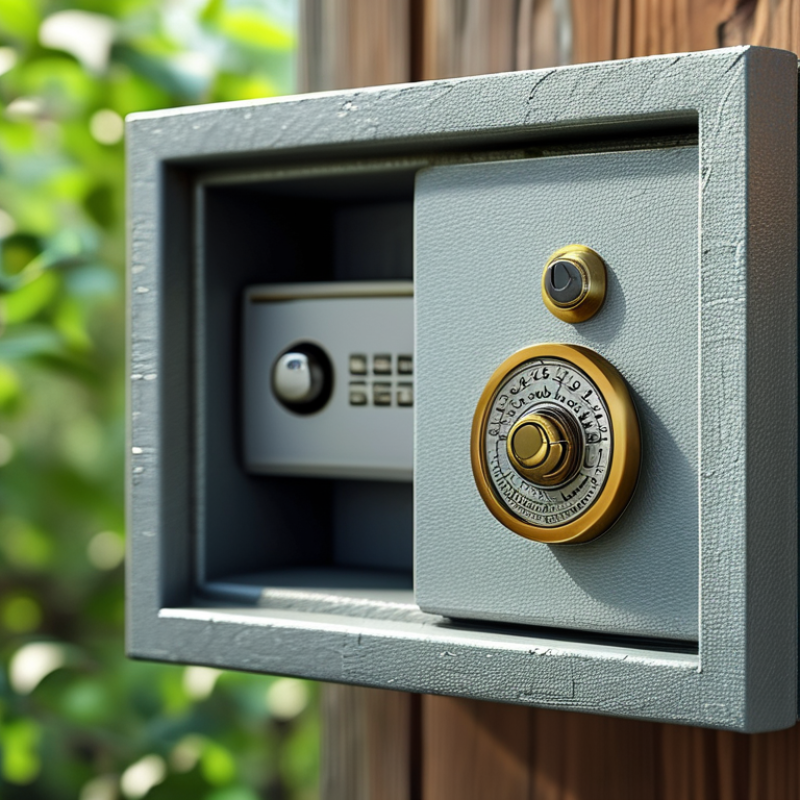
Best Practices for Storing Your Safe Backup Keys in 2026
When thinking about storing backup keys for your safe, security is paramount. One practical method is to use a fireproof and waterproof box. This way, you ensure your keys remain safe from both theft and natural disasters. It is crucial to choose a location that is not obvious. Avoid placing the box in common areas, like kitchen drawers or under mats, as they are easily accessible.
Storing keys with trusted neighbors is another viable option. A close friend or neighbor can watch over your backup keys securely. Ensure this person understands the importance of confidentiality regarding your safe. It might be tempting to hide keys in seemingly clever places, but remember, seasoned thieves know these tricks too. Consider using a lockbox that requires a code for access. This adds an extra layer of security.
Reflect on how often you need to access your safe. Frequent access may suggest that you simplify your system. However, convenience shouldn’t compromise security. Always check that your backup location remains safe. Regularly review your storage methods and adapt if necessary. The last thing you want is to realize your keys are no longer secure.
Best Practices for Storing Your Safe Backup Keys in 2026
Innovative Storage Solutions: Technology Trends for Backup Key Management
In 2026, innovative storage solutions are reshaping how we manage backup keys for safes. With the rise of smart home technology, methods for securing these keys have evolved. According to a recent report by Tech Innovations, over 75% of households are considering digital storage options for important keys. Ensuring that your backup keys are accessible, yet secure, is essential in today’s technology-driven world.
One popular trend is the use of biometric safes. These devices utilize fingerprint recognition, making it harder for unauthorized individuals to access your keys. Advanced encryption techniques provide an additional layer of security, which is increasingly necessary given that 30% of home burglaries occur due to a lost or stolen key. It’s important to balance convenience with protection.
Tip: Consider placing a digital vault application on your smartphone. This app can securely store and manage keycodes for your safe, with added features like alerts for unusual activity.
Remember to think about redundancy. Storing backup keys in multiple secure locations can prevent access issues. A password-protected cloud drive offers another layer of data safety. However, ensure that you regularly update passwords to maintain security. In an age where technology can both assist and hinder, reflecting on these methods is crucial. The right technology can enhance your peace of mind while safeguarding your valuables.
Best Ways to Store Backup Keys for Your Safe in 2026? - Innovative Storage Solutions: Technology Trends for Backup Key Management
| Storage Method |
Security Level |
Pros |
Cons |
| Smart Lock Boxes |
High |
Remote access, often smartphone-compatible |
Dependent on battery life and technology |
| Traditional Safe with Manual Override |
Medium |
Reliability of mechanical systems |
Less convenient access compared to digital solutions |
| Biometric Key Holders |
Very High |
Personalized security, quick access |
Potential technology failures or false rejections |
| Cloud-Based Key Management |
Variable |
Remote access from anywhere, scalable |
Vulnerable to hacking and data breaches |
| Hidden Locations |
Medium |
Low cost, creative placement options |
Finding the key can be difficult, forgettable |
Impact of Environmental Factors on Key Longevity and Storage Options
When considering the longevity of backup keys for safes, storage conditions play a crucial role. Factors such as humidity, temperature, and exposure to light can significantly affect key integrity. According to a study by the National Institute of Standards and Technology, metals can corrode in humid environments. This corrosion may lead to key failure when you need it most. A controlled environment with stable temperature and lower humidity levels is essential for preserving key functionality.
Tips: Use airtight containers to minimize moisture exposure. Regularly inspect your keys for any signs of wear or corrosion.
Furthermore, light exposure can cause certain materials, like plastic or rubber, to degrade. A report from the International Association of Locksmiths highlights that keys stored in direct sunlight can lose their structural integrity over time. Consider choosing darker storage locations. Avoiding direct contact with any abrasive materials will ensure your keys stay in prime condition.
Tips: Consider using velvet pouches for extra cushioning. Store keys away from UV light sources to prolong their lifespan.
Being aware of the storage environment is crucial. Improper storage can lead to irreversible damage. Regularly reviewing your storage practices can help maintain your backup keys effectively.
Analyzing the Security Risks of Common Backup Key Storage Methods
When considering how to store backup keys for your safe, it’s vital to analyze the security risks involved. Many people often resort to common methods, such as hiding keys under doormats or in potted plants. These tactics may seem convenient, but they are highly predictable and can easily be exploited by intruders.
Security experts advise against such obvious hiding spots to reduce the chance of unauthorized access.
Another common practice is to use a designated key holder in your home. While this can provide a centralized location for your keys, it also becomes a focal point for potential thieves. If someone knows where to look, they can quickly find your backup key.
A safer approach might involve using a trusted family member or friend as a custodian for your spare. However, this requires a great deal of trust and could lead to complications if those individuals are unavailable.
Digital storage options offer alternatives that some may overlook. Storing keys in encrypted, digital vaults can provide higher security. Yet, this method is only as strong as the user’s password management. Weak passwords can lead to significant vulnerabilities. These considerations emphasize the need for careful planning and reflection on chosen methods, revealing that even the best ideas can have inherent weaknesses.
Consumer Data: Preferred Backup Key Storage Methods and Their Effectiveness
In 2026, many individuals face challenges in storing backup keys for safes. The most popular methods vary greatly in effectiveness and security. Surveys indicate that 40% of users prefer using a secondary physical location, such as a trusted friend's home. This option offers peace of mind, but it relies on the trustworthiness of another person.
Digital storage methods are also gaining traction. Many opt for encrypted cloud services for their backup keys. This approach provides easy access and convenience. However, not everyone is comfortable with the potential for hacks or data breaches. A significant portion of consumers express concern over cybersecurity risks associated with digital solutions.
Some people have tried hiding keys creatively around their property. Unfortunately, this often leads to ineffective results, as thieves can easily discover these hiding spots. Consumers might consider a combination of methods for better security. Using a fireproof safe within a secure location often proves more reliable. It’s vital to recognize that no method is without its flaws or risks.
FAQS
: Use a fireproof and waterproof box to protect against theft and disasters.
Do not store keys in obvious places like kitchen drawers or under mats.
Yes, trusted friends or neighbors can securely hold your backup keys.
Pick someone who understands confidentiality about your safe and its keys.
Factors like humidity and light exposure can cause keys to corrode or degrade.
Use airtight containers and inspect keys regularly for signs of wear or corrosion.
Store keys in dark locations or use velvet pouches for added cushioning.
Simplify your system, but never let convenience compromise security.
Regularly check storage practices to ensure keys remain secure and functional.
Improper storage can lead to irreversible damage, making keys unusable when needed.
Conclusion
In 2026, determining "what is the best way to store backup keys for a safe" involves adopting best practices and innovative technologies to ensure both security and accessibility. Key storage solutions should emphasize methods that resist environmental factors, such as moisture and temperature fluctuations, which can impact key longevity.
Additionally, assessing the security risks associated with common storage methods—such as hiding keys outdoors or keeping them in easily accessible areas—can help users make informed decisions. Consumer data indicates a shift towards digital key management systems, providing effective alternatives that combine convenience with enhanced security. As technology evolves, integrating these solutions could significantly improve the safety and reliability of backup key storage.
 RVault Box
