RVault Box
Understanding the security of our homes is crucial. Many people ask, "What is the difference between fire rating and burglary rating?" This distinction is vital for building safety and loss prevention. According to the National Fire Protection Association (NFPA), fire-related incidents cause over $14 billion in property damage annually in the U.S. Conversely, the FBI reports that in 2020, burglary represented 19.3% of all property crimes.
Experts like Dr. Emily Hart, a well-known fire safety consultant, emphasize the importance of both ratings. She once stated, "Effective security measures require understanding both fire and burglary ratings, as they serve different purposes in protecting property." Fire ratings indicate how long a product can withstand flames, impacting escape routes and the structural integrity of buildings. Burglary ratings, however, focus on a product's resistance to forced entry, ensuring that valuable items remain secure.
Navigating these complexities can be challenging. Many homeowners underestimate the unique roles each rating plays. It's essential to evaluate both aspects thoroughly to ensure optimal safety and protection. The good news is that informed choices can mitigate potential losses in the face of fire or theft.
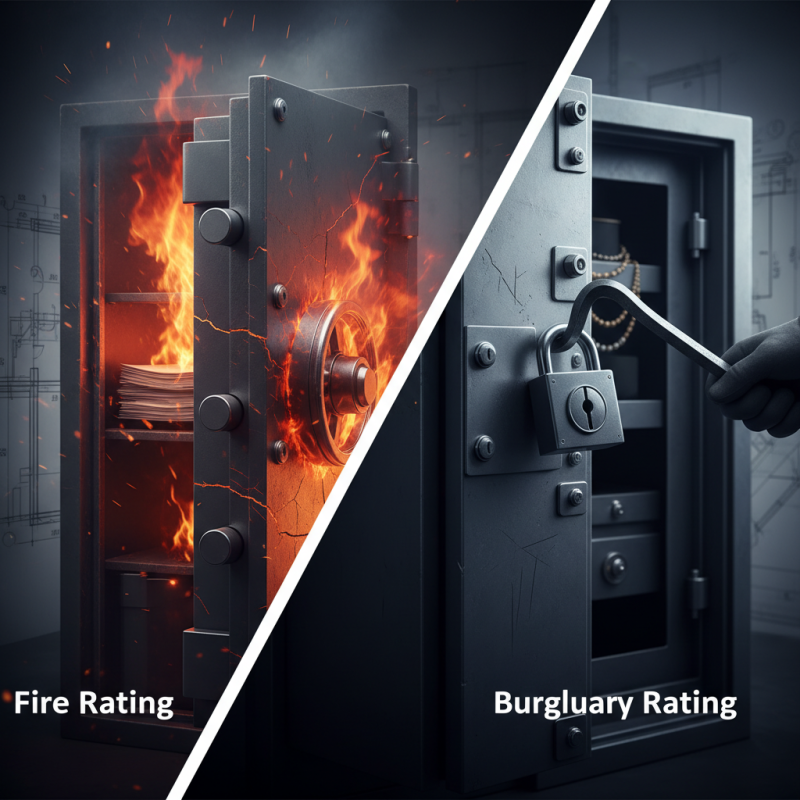
Fire ratings are crucial in ensuring safety during emergencies. Understanding these ratings helps individuals and businesses make informed choices. The fire rating measures how long a material can withstand fire, which plays a vital role in building safety. The National Fire Protection Association (NFPA) provides standards that define the classifications of fire ratings. Familiarity with these standards aids in understanding coding laws relevant to construction.
Different materials and structures have varying fire ratings. For example, gypsum board typically has a one-hour fire rating, while concrete can last much longer. Knowing these details can guide decisions in choosing building materials. However, many people overlook the importance of regular maintenance. Over time, fire-rated materials may degrade in effectiveness. Regular inspections are essential to ensure compliance with safety standards.
Moreover, fire ratings vary by local regulations. This creates some confusion regarding what is acceptable. It's essential to consult local codes to understand specifications fully. The challenge lies in balancing safety with aesthetics. The perfect choice for fire safety may not always align with design preferences. Therefore, finding a solution that meets both needs requires thoughtful consideration and possible adjustments.
| Rating Type | Definition | Examples of Standards | Typical Ratings |
|---|---|---|---|
| Fire Rating | A measure of how long a building material can withstand fire. | ASTM E119, NFPA 251 | 30 min, 60 min, 90 min |
| Burglary Rating | A classification of how resistant a product is to unauthorized entry. | UL 752, EN 1627 | Grade IV, Grade V, Grade VI |
Burglary ratings are essential in understanding how well a building can resist unauthorized entry. These ratings help consumers gauge the effectiveness of security measures in place. Ratings are determined through rigorous testing methods, measuring factors like door strength, window durability, and lock functionality. Different industry standards exist, leading to potential confusion for consumers seeking reliable information.
In practice, a higher burglary rating often indicates better protection against break-ins. Materials used are critical. Steel doors, reinforced frames, and impact-resistant glass enhance security significantly. However, just relying on ratings isn't enough. Regular maintenance and upgrades are vital to ensure that security features remain effective over time.
Understanding burglary ratings requires critical reflection on individual needs. What works for one property might not suit another. Homeowners and businesses should take a tailored approach, considering their specific vulnerabilities. This thought process can help them create a more secure environment. Staying informed about evolving industry practices also plays a key role in enhancing security measures.
When evaluating security measures, fire ratings and burglary ratings often come into play. Fire ratings measure how well a material can withstand heat and flames. These ratings guide builders to select safe materials for constructing and renovating buildings. They showcase how long a door or wall can resist fire, typically expressed in hours. In contrast, burglary ratings assess resistance against unauthorized entry. They focus on the strength of locks, doors, and windows. This is crucial for protecting against theft and vandalism.
The two ratings serve different but essential roles in security. Fire ratings focus on life safety in emergencies. Burglary ratings protect property and peace of mind. However, the challenge lies in balancing these ratings in building designs. In high-risk areas, both aspects must be addressed. A building with a high fire rating may sacrifice some burglary resistance, affecting security. Careful planning can help mitigate these compromises. Designing spaces requires a blend of fire safety and theft deterrence, which is often an imperfect quest.
When assessing fire and burglary ratings, several key factors come into play. Fire rating measures a product's resistance to extreme heat and flames. It typically considers materials used and how they react under fire conditions. According to the National Fire Protection Association, properties with higher fire ratings see a significant reduction in damage. For instance, a fire-resistive product can withstand high temperatures for up to 60 minutes, giving occupants time to escape.
On the other hand, burglary ratings focus on a product's ability to deter unauthorized entry. Security products are often rated based on their design, material strength, and how quickly they can withstand physical attacks. The Loss Prevention Certification Board reports that reinforced doors can withstand forced entry for over five minutes, which is crucial for deterring intruders. While both ratings aim to protect, they require different considerations, leading to the need for comprehensive evaluation before making informed choices.
Consumers often overlook these distinctions, leading to inadequate protection. It’s essential to align products with specific safety goals, ensuring both fire resistance and break-in prevention. Balancing these factors is critical to enhance overall safety in residential and commercial spaces.
Fire ratings and burglary ratings serve crucial purposes in safety and security. These ratings are determined by established industry standards. In the U.S., organizations like UL (Underwriter Laboratories) and the National Fire Protection Association (NFPA) create guidelines. Their goal is to ensure products perform as expected under specific conditions. Many countries have similar organizations that set these standards, offering a global perspective on safety.
The complexity of these ratings can be overwhelming. For example, fire ratings reflect how long a material can withstand fire exposure. A two-hour fire rating means it protects occupants for that duration. In contrast, burglary ratings assess how well a product can resist forced entry. While a door may meet a certain burglary standard, it might not be fire-resistant. This discrepancy highlights the importance of understanding both ratings when selecting materials for your safety needs.
Many people overlook these standards. They assume all products labeled “secure” are safe from both fire and burglary risks. This assumption can be dangerous. Buyers need to research these ratings carefully. Furthermore, not all manufacturers adhere to the same guidelines. This inconsistency can lead to misguided decisions. Education on industry standards is essential for informed choices. It shapes the safety of your space, impacting lives and possessions.
This chart shows the comparison between Fire Rating and Burglary Rating based on a hypothetical scoring system. Fire Rating is significantly higher, indicating that fire safety is generally rated with more stringent standards compared to burglary prevention measures.
: Fire ratings measure how long materials can withstand fire exposure, impacting building safety.
They guide choices in materials, helping ensure safety during emergencies. Regular inspections keep them effective.
Different materials have varying fire ratings; for example, gypsum board offers a one-hour rating, while concrete can last longer.
Fire ratings vary by local codes, creating confusion about acceptable standards. Consulting local regulations is crucial.
Fire ratings focus on life safety, while burglary ratings assess resistance to unauthorized entry. Both are important for security.
Prioritizing fire safety may compromise aesthetic preferences, requiring thoughtful consideration in material choices.
Organizations set guidelines to ensure products perform as expected, offering a framework for safety in construction.
Not necessarily. Assumptions can be dangerous, as not all products meet both fire and burglary standards.
Regular inspections are essential to maintain compliance and ensure effectiveness over time.
Research fire and burglary ratings carefully, as not all manufacturers adhere to the same standards.
The article titled "What is the Difference Between Fire Rating and Burglary Rating Tips?" delves into the essential distinctions between fire and burglary ratings, crucial for understanding product safety and security standards. It begins by explaining key concepts and industry standards related to fire ratings, detailing how they are established to protect against fire hazards. Conversely, the overview of burglary ratings highlights their definition and the practices employed within the industry to evaluate security against unauthorized entry.
A comparative analysis further illustrates "what is the difference between fire rating and burglary rating," emphasizing how each rating addresses specific risks and informs product choices. The article also discusses critical factors that influence both ratings, such as materials used and design features, alongside the national and international guidelines that govern these ratings. Understanding these distinctions is vital for consumers seeking to enhance safety in their environments.
