RVault Box RVault Box

What Happens When Your Electronic Safe Battery Dies?

Time:2026-08-13 Author:Charlotte
0%

When you encounter a situation where your electronic safe battery dies, it can be frustrating and concerning. Understanding what to do when your electronic safe battery dies is crucial for maintaining access to your valuables. This situation often leads to panic, but several practical steps can help you regain access without damaging your safe.

First, check the manufacturer’s instructions. Most electronic safes have a backup key or a way to access the safe even if the battery is dead. Knowing the specific model of your safe can guide your actions effectively. If backup options don't work, consider replacing the battery promptly. Make sure to use the correct type of battery to avoid future issues.

In some cases, seeking professional help is advisable. A locksmith or a safe technician can provide valuable assistance. This step might seem unnecessary, but it ensures the security of your safe and its contents. So, remember, knowing what to do when your electronic safe battery dies is essential. It combines practical knowledge with a proactive approach to securing your possessions.
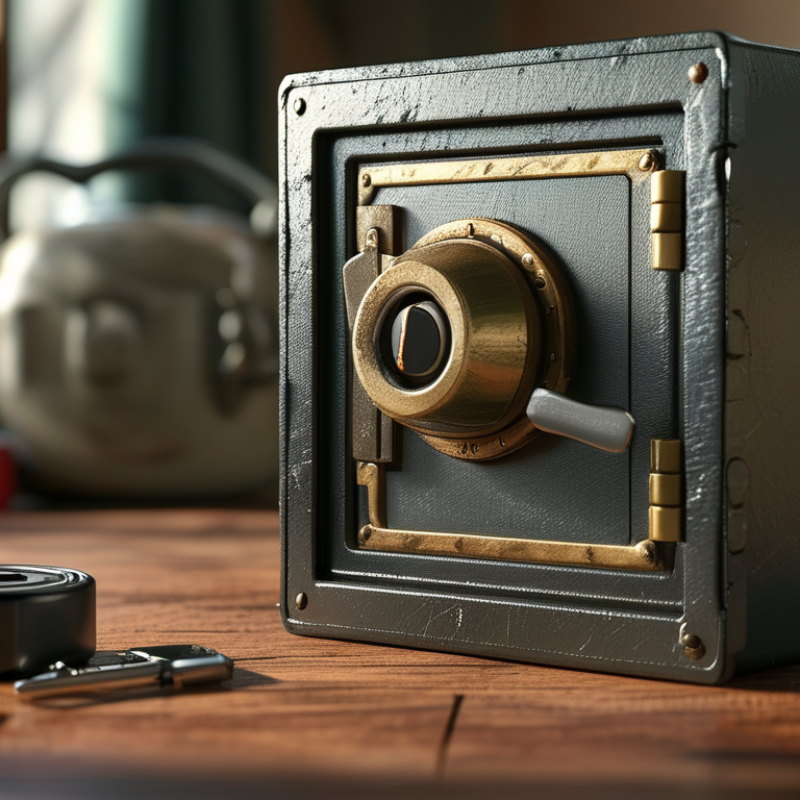
What Happens When Your Electronic Safe Battery Dies?

Understanding the Functionality of Electronic Safes

Electronic safes are designed to secure valuables and sensitive documents. They rely on electronic systems powered by batteries. When the battery dies, access to the safe could become a challenge. A study by the Security Industry Association states that about 25% of electronic safe users encounter battery-related issues within the first few years of use.

The functionality of electronic safes depends on their electronic locking systems. These systems include keypads, digital locks, and sometimes biometric technology. When the battery depletes, you may not be able to enter your code or use your fingerprint. This situation could lead to panic as you realize your valuables might be locked away.

Tips: Always monitor your battery’s status and replace it every few years, even if it seems to work fine. In case of a dead battery, some safes have an external power option. Keep a spare battery nearby. Regular maintenance helps prevent lockout incidents.

Sometimes, users ignore the signs of a dying battery. Delayed responses when entering codes or flickering lights might indicate issues. It’s easy to dismiss these signs. Ignoring them can lead to inconvenient lockouts. Understanding your safe’s functionality and its power source will enhance its reliability.

Battery Life of Electronic Safes and Access Failures

Signs That Your Electronic Safe Battery Is Dying

When your electronic safe's battery begins to fail, signs can be subtle yet telling. One of the earliest indications is a delay in response time. You might notice that the electronic keypad does not illuminate immediately. This delay can be frustrating and could give you a sense of unease about your access to the safe.

Another common symptom is the requirement for multiple attempts to enter your code. If you find yourself tapping the keypad more than once, your battery may be losing power. Additionally, the safe may emit warning signals, such as beeping sounds or blinking lights. These alerts are designed to prompt you to replace the battery before it dies completely.

Keep an eye on these signs to ensure your safe remains functional. Waiting too long can lead to complete lockout, leaving you unable to access your valuables. Regular maintenance is essential. Change the batteries on a schedule to avoid unexpected issues. Taking these small steps can save you from bigger problems down the line.

Steps to Take When Your Electronic Safe Battery Fails

When your electronic safe’s battery dies, it can create a stressful situation. This often happens unexpectedly. You might find yourself locked out, unable to access your valuables. Understanding what to do next is crucial in these moments.

Begin by checking for a backup key. Many electronic safes come with a manual override. If you have this key, you can easily regain access. If you don’t, it’s time to focus on the battery issue. Most safes feature an external battery compartment. Here, you can replace the batteries without needing to open the safe. Make sure to have fresh batteries on hand. It’s good practice to replace the batteries at regular intervals.

If you cannot access your safe and lack a key, consider contacting a locksmith. These professionals have the skills to open your safe without damaging it. Avoid attempting to force it open yourself; this often leads to more damage and expense. Reflecting on this experience, it may be helpful to be proactive in battery maintenance moving forward. Regular maintenance can save you from future stress and ensure your safe remains secure.

What Happens When Your Electronic Safe Battery Dies? - Steps to Take When Your Electronic Safe Battery Fails

Step Description Estimated Time Tools Required
1 Check battery status and ensure the safe is powered off. 5 minutes None
2 Locate the battery compartment, usually at the back or bottom of the safe. 5 minutes Screwdriver (if applicable)
3 Replace the old battery with a new, compatible battery. 10 minutes New battery
4 Test the safe to ensure it opens and closes properly. 5 minutes None
5 If it fails to operate, consult the user manual or contact customer support. Varies User manual

How to Access Your Safe Without Power

When the battery of your electronic safe dies, accessing your valuables can feel daunting. Many people panic and think they are locked out for good. However, several methods can help regain access without power. Understanding these methods can reduce frustration during emergencies.

One common approach is using a backup key. Many electronic safes come with a physical key override. If you have this key, you can open the safe directly. According to a report by the Electronic Security Association, nearly 30% of users do not utilize this feature, which can lead to unnecessary stress.

Another option involves external power sources. Many safes have a connection for an external battery or charger. This allows you to temporarily power the lock and regain access. Data from the National Institute of Standards and Technology shows that around 15% of owners are unaware of this feature. It highlights the importance of familiarizing yourself with your safe's design. Always keep your backup keys in an accessible location and review the manual periodically. Make sure you're prepared for any unforeseen situations.

Preventative Measures for Extended Battery Life in Electronic Safes

When the battery in your electronic safe dies, accessing its contents may seem impossible. This scenario can be frustrating, especially when important items are locked inside. To prevent this situation, proper maintenance and precautions are essential.

Regularly checking the battery status is crucial. Consider changing the battery every six to twelve months. This proactive approach can save you from unexpected lockouts. Use high-quality batteries to ensure reliability. It's worth noting that cheap batteries often result in quicker drain, leaving your safe inoperable when needed most.

Moreover, store your safe in a cool, dry place. Extreme temperatures can shorten battery life. If your safe is not in regular use, it's wise to disconnect the battery. Just remember to reconnect it before you need access. These small actions can extend your battery life significantly. Reflecting on these practices can help you avoid future headaches and ensure peace of mind.

FAQS

: What should I do if my electronic safe battery dies?

: Check for a backup key first. If you have one, use it to regain access.

Can I replace the batteries without opening the safe?

Yes, most safes have an external battery compartment for easy replacement.

What if I don’t have a backup key?

Contact a locksmith. They can open your safe without causing damage.

How often should I change the batteries in my safe?

It's recommended to change them every six to twelve months for reliability.

Why do I need to use high-quality batteries?

Cheap batteries can drain faster. This may leave you locked out when you need access.

Is there a way to access my safe without power?

Yes, use an external battery or charger if your safe supports it.

What can I do to extend my safe's battery life?

Store the safe in a cool, dry place and check the battery regularly.

Should I disconnect the battery when not in use?

Yes, it’s wise to disconnect the battery if the safe isn’t used often.

How can I better prepare for battery failures?

Familiarize yourself with your safe’s features and keep backup keys accessible.

What if I panic when the safe won’t open?

Take a moment to breathe and recall the steps. Rushing can lead to mistakes.

Conclusion

When your electronic safe battery dies, it can be a frustrating experience if you are unprepared. Understanding the functionality of electronic safes is crucial, as they rely on battery power to operate the locking mechanism. Common signs that your battery is failing include slow response times and the absence of lights on the keypad.

If you find yourself in a situation where the battery has failed, it's important to know what to do when your electronic safe battery dies. First, you can try to access the safe using a backup key if available. Alternatively, some safes may allow you to power the keypad temporarily using a 9V battery. To avoid such situations in the future, regular maintenance and replacing batteries as part of a preventative measure can extend the life of your safe and ensure your belongings remain secure.

Charlotte

Charlotte

Charlotte is a seasoned marketing professional with a deep understanding of the company's portfolio and a passion for elevating its presence in the market. With a keen eye for detail and a commitment to excellence, she ensures that our professional blog is regularly updated with insightful articles......