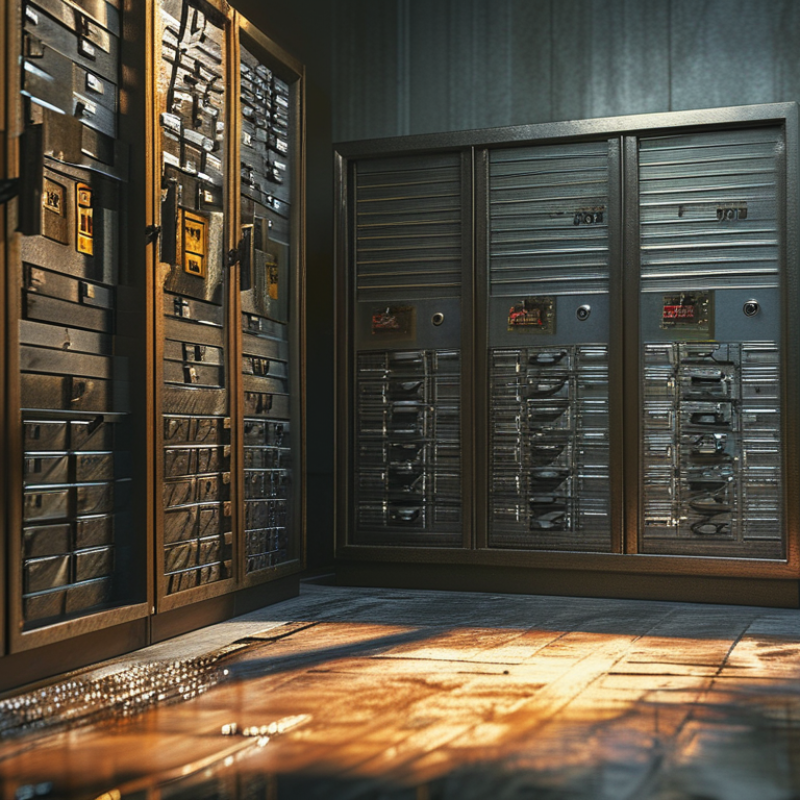
RVault Box
In today’s digital age, the preservation of data is crucial. Many individuals store important information on USB drives. However, disasters like fires can threaten these digital assets. This prompts the question, "Can a fireproof safe protect digital media like USBs?" According to a report by the National Fire Protection Association (NFPA), home fires cause significant property loss annually, highlighting the need for effective protective measures.
Expert Mark Johnson, a fire safety consultant, emphasizes, “Most standard safes do not provide adequate protection for USB drives.” He notes that while fireproof safes shield paper documents, digital media often requires specialized consideration. Current fire ratings for safes can offer varying degrees of protection, but not all are suitable for electronic devices.
Ultimately, consumers face a dilemma. The average cost of a fireproof safe is around $100 to $300, yet many may still question its effectiveness for digital media. Relying solely on a fireproof safe may not ensure safety for USB drives. Each situation differs, and further research is necessary to find the right solution. This ongoing uncertainty underlines the importance of understanding how to best protect precious digital assets.
Fireproof safes are essential for protecting valuable items, including USB digital media. Understanding their features and ratings can guide your decision. According to the Underwriters Laboratories (UL), effective fireproof safes need to provide protection for at least one hour at temperatures of around 1700°F (927°C). Not all models meet this criteria. Look for safes that have been tested and certified.
Many consumers assume that all fireproof safes are equal. However, they differ in fire ratings and design. The fire rating often indicates how long the contents can withstand high temperatures. For digital media, safes that provide ratings for both fire and water protection are crucial. USB drives can be severely damaged at temperatures over 125°F (52°C). This is a critical detail that often gets overlooked.
Additionally, the construction of a safe plays a vital role. A safe with a proper seal can keep moisture out after fire exposure. It's important to check for independent test results. Not all data is clear. Some products may claim fire resistance but lack substantial evidence. Always consider professional insights when making a choice. A hasty decision can lead to loss, so investigation is key.
When considering fireproof safes for USB digital media, it's important to assess the science behind fireproof materials. Many safes claim to withstand high temperatures, but the actual performance can vary widely. For example, tests have shown that some fireproof materials can endure temperatures up to 1500°F for a limited time, yet this is not guaranteed under all conditions.
USB drives typically contain flash memory, which can start to suffer damage at around 400°F. Therefore, even if a safe is rated to withstand extreme heat, the real test is how long it can maintain a lower internal temperature. According to a report by the Fire Protection Research Foundation, fireproof safes can protect contents for specific durations, generally between 30 minutes and 2 hours. However, this is subject to the external fire conditions and safe construction.
Tips: When purchasing a fireproof safe, check for independent test certifications. Consider the duration and temperature ratings given by those tests. Additionally, store your USBs away from any direct contact with the safe's walls. This simple measure can provide extra protection against heat transfer. Always remember that no safe is completely foolproof; it's wise to have multiple backup methods for your digital media.
When considering the protection of USB digital media in high-temperature situations, the capabilities of fireproof safes become crucial. USB drives, often made of plastic, can begin to melt at temperatures as low as 240°F (approximately 115°C). In contrast, many fireproof safes are rated to withstand temperatures of 350°F (about 177°C) or higher for a specified duration. Yet, the effectiveness of these safes can vary significantly based on their design and materials. A comprehensive study by the National Fire Protection Association highlighted that while a fireproof safe can significantly reduce damage, it is not impervious to extreme heat.
Moreover, beyond temperature, the duration of exposure to heat plays a critical role. A USB drive might survive a brief period at high temperatures, but extended exposure can lead to data loss. The recovery of data from partially melted components often fails. In a survey conducted by the Data Recovery Association, nearly 20% of users reported losing data after a fire incident, even within insulated storage. This statistic emphasizes that relying solely on a fireproof safe is not enough. Effective backup strategies are crucial in preserving valuable data. In high-stakes environments, implementing multiple layers of protection can prove beneficial.
| Protection Type | Temperature Rating (°F) | Duration of Protection (minutes) | USB Drive Rating |
|---|---|---|---|
| Standard Fireproof Safe | 1,700°F | 30 | Good |
| High-Temperature Fireproof Safe | 1,900°F | 60 | Very Good |
| Fireproof Safe with Water Resistance | 1,500°F | 45 | Excellent |
| Document Safe (Fire & Water Proof) | 1,300°F | 60 | Good |
| Portable Fireproof Bag | 1,000°F | 15 | Fair |
When selecting a fireproof safe for storing USB digital media, it's crucial to understand your options. The National Fire Protection Association (NFPA) reports that nearly 80% of businesses are not prepared for a fire disaster. Therefore, ensuring robust protection for USB drives is essential. Fireproof safes offer varying temperature ratings. For USB media, a safe rated for at least 1,550°F for one hour is advisable.
Humidity is another factor. A study from the Insurance Institute for Business & Home Safety indicates that moisture can damage electronic devices. Fireproof safes with a moisture seal can help. Additionally, consider dehumidifiers within the safe. This can prevent mold and corrosion on your media.
When considering fireproof safes for USB digital media, it's important to understand their limitations. While these safes can withstand high temperatures, they are not infallible. According to a study by the National Fire Protection Association, many fireproof containers lose their protective capabilities at temperatures exceeding 350°F (177°C). In practical terms, a house fire can easily reach temperatures of 1,500°F (815°C). This discrepancy raises questions about the appropriate level of trust placed in fireproof safes for digital preservation.
Additionally, the humidity levels inside fireproof safes can become problematic. Research from the American Society for Testing and Materials indicates that elevated humidity can cause corrosion and mold on electronic devices. This is especially concerning for USB drives, which can suffer irreversible data loss under moisture conditions that are often present in sealed safes. For those serious about safeguarding digital files, simply placing them in a fireproof safe might not be sufficient.
Moreover, fireproof safes are not designed with the specific needs of electronic devices in mind. Their protective features are tailored for documents and physical items. As a result, the average user may overlook fundamental storage conditions required for USB media, such as temperature stability and moisture control. It's vital for individuals to address these nuances and consider alternative preservation methods for long-term digital security.
: USB drives can begin to melt at temperatures as low as 240°F (115°C).
Fireproof safes can withstand temperatures of 350°F (177°C) or higher for a limited time.
No, fireproof safes can reduce damage but are not completely impervious to extreme heat.
A brief period of exposure may be tolerable, but prolonged heat can lead to data loss.
Use protective cases, avoid overcrowding, and allow space for air circulation.
Elevated humidity can cause corrosion and mold, risking irreversible data loss.
Regularly back up data to a different location for added security.
Fireproof safes are commonly designed for documents, not specifically for USB drives.
The article titled "Can a Fireproof Safe Protect My USB Digital Media?" explores the effectiveness of fireproof safes in safeguarding valuable digital files stored on USB drives. It begins by outlining the key features and ratings of fireproof safes, explaining the science behind their materials and how they function to withstand high temperatures. The article evaluates the actual protection these safes provide to USB drives during fire incidents, highlighting that while they offer some level of defense, the degree of protection can vary significantly based on the safe’s rating and the conditions of a fire.
Furthermore, the article presents best practices for storing USB media in fireproof safes, emphasizing the importance of proper organization and additional protective measures. It also addresses the limitations of fireproof safes in ensuring complete digital media preservation, encouraging users to consider these factors when deciding: can a fireproof safe protect digital media like USBs. Ultimately, the piece serves as a guide for individuals seeking to enhance the security of their digital assets against fire hazards.