RVault Box
In today's world, protecting our valuables is a priority. Many turn to fireproof safes for peace of mind. But, are fireproof safes really effective against high heat? This question unveils a complex reality.
Fireproof safes are designed to withstand intense heat and flames. However, their effectiveness can vary widely based on several factors. The materials used in construction play a crucial role. Some safes may provide better protection than others. It is essential to consider the safe's rating. Different standards measure heat resistance. Can any safe guarantee complete security during a fire?
When emergencies arise, heat can escalate quickly. A safe may protect documents and valuables, but not indefinitely. Encounters with extreme temperatures can weaken a safe over time. Users must evaluate the situations that could compromise their safety. Researching brands and consumer experiences adds valuable insights. Fireproof safes offer a layer of defense, but knowing their limits is vital for real peace of mind.
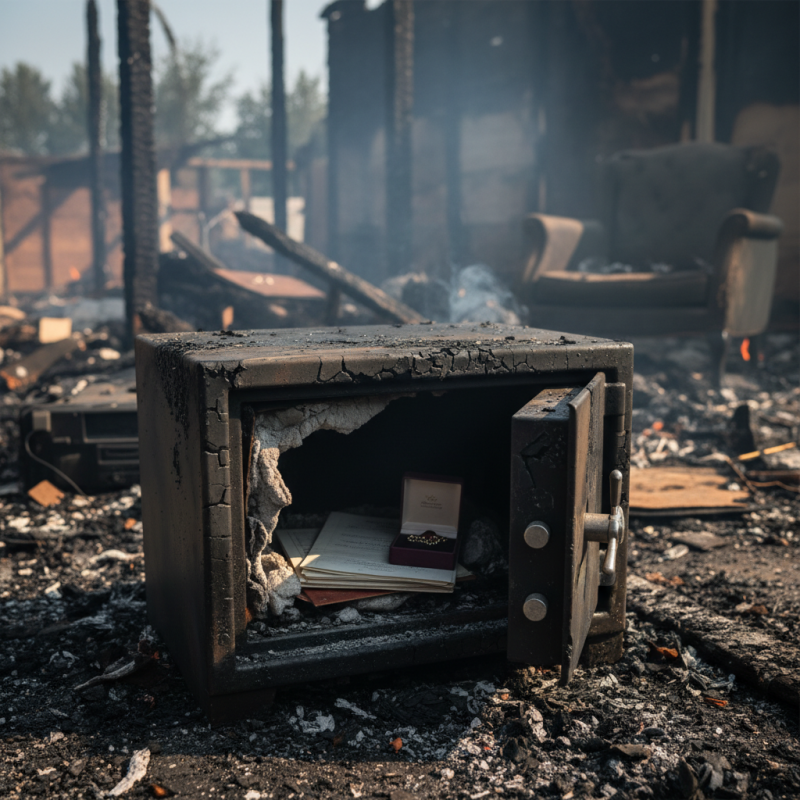
When facing emergencies, the question of fireproof safes' effectiveness becomes critical. Fireproof safes are designed to withstand high heat. However, their performance can vary greatly. Research from the National Fire Protection Association indicates that most residential fires reach temperatures of 1,500°F. Yet, many fireproof safes are only rated for exposure to temperatures around 1,700°F for a limited time.
This means that while they can protect contents from flames, they may not withstand the intense heat for long durations. A detailed report by Underwriters Laboratories reveals that even brief exposure to excessive heat may compromise a safe's integrity. This can lead to damage to important documents or valuables. Many fires burn longer than expected, creating risks that the typical fireproof safe might not mitigate.
In addition, the effectiveness of fireproof safes can depend on their construction materials. Safes made from subpar materials may fail during extreme heat incidents. Users must consider the certification ratings when selecting a safe. Evaluating these ratings can help ensure protection against high heat scenarios. Nevertheless, it’s crucial to recognize that no safe is entirely foolproof. Fireproof safes are just one layer of protection in a comprehensive emergency plan.
When considering fireproof safes, it’s crucial to understand their ratings and standards. Fireproof safes are rated based on their ability to withstand high heat during emergencies. The most common ratings are UL (Underwriters Laboratories) and ETL (Electrical Testing Laboratories). Each rating specifies the safe's endurance against fire for a specific duration and temperature. For instance, a safe rated for one hour at 1700°F provides valuable protection for documents.
Tips: Always check the certification label on your safe. This label provides the necessary details on its fire resistance rating. A safe's thickness and the materials used also affect its performance. It’s important to remember that while fireproof safes offer significant protection, they are not completely invulnerable.
Choosing the right fireproof safe involves careful consideration. Many consumers mistakenly believe that all safes offer equal protection. In reality, differences in insulation types and construction techniques can impact effectiveness. Understanding these nuances can help you make a well-informed decision. Assessing your specific needs can be beneficial. Focus on what items you plan to store and their vulnerability to heat.
| Rating Standard | Temperature Resistance (°F) | Duration (Hours) | Usability After Exposure | Typical Use Cases |
|---|---|---|---|---|
| UL 72 Class 350 | 350°F | 1 hour | Documents remain intact | Home offices, legal documents |
| UL 72 Class 150 | 150°F | 1 hour | Digital media remains usable | Data storage, electronic devices |
| ETL Verified | 1200°F | 30 minutes | Limited preservation of contents | Valuable storage, personal archives |
| ISO 834 | Fire rating varies | Up to 2 hours | Strong protection | Industrial applications, high-value items |
Fireproof safes are designed to withstand extreme temperatures. They are made from materials that can resist heat for a limited time. Common materials include steel, gypsum, and concrete. These components create a barrier that slows heat transfer. Research indicates that true fireproof safes can endure temperatures up to 1700°F for a period of one hour. However, not all safes are created equal.
Certain certifications, such as UL (Underwriters Laboratories) ratings, help consumers assess effectiveness. A safe with a UL rating can withstand high heat and preserve its contents. Yet, not every company undergoes this testing. This means some products may not provide the advertised protection. When selecting a safe, look for those certified to specific fire standards.
In an emergency, the effectiveness of a fireproof safe can vary. For instance, prolonged exposure to flames can exceed safe temperature limits. Additionally, faulty construction can lead to weak points. This makes it crucial to research the specific design and material composition before purchasing. Awareness of these factors can greatly influence safety and security in a fire emergency.
In a recent incident, a family lost their home to a raging fire. They had invested in a fireproof safe, believing it would protect their essential documents. Surprisingly, the safe was compromised. The intense heat melted the locking mechanism, rendering it useless. This example raises critical questions about the reliability of fireproof safes.
Another case involved a small business owner. During a devastating wildfire, he entrusted his data and valuables to a fireproof safe. When the fire subsided, he discovered that while the safe had endured the heat, the contents inside suffered damage due to prolonged exposure. This situation sheds light on the limits of fireproof safes. They may offer some protection, but they are not entirely foolproof.
These incidents reveal the potential weaknesses of fireproof safes. They can protect against certain temperatures, yet extreme conditions may exceed their capabilities. Users should consider these limitations and seek additional safety measures. Assessing the real protection offered by fireproof safes can save valuable items in emergencies.
Fireproof safes offer a sense of security for many people. They are designed to withstand high heat during emergencies, such as house fires. However, their effectiveness is often overstated. Many factors influence their performance in extreme conditions.
The construction materials and ratings of these safes vary significantly. While some claim to withstand temperatures up to 1,700 degrees Fahrenheit, this is not always true. In intense fires, flames can exceed these temperatures. Furthermore, the duration of the fire matters. A safe can resist heat for a specified time, but what happens after that is uncertain.
Some safes are more vulnerable than others. Compressive damage and water can compromise contents inside the safe. It's essential to recognize that no safe is completely foolproof. Investing in additional protective measures is wise. Assessing the risks and understanding the limitations of these safes can prevent loss during emergencies.
: Fireproof safes can withstand high heat but only for limited durations. Their effectiveness varies based on temperature and time.
Most residential fires can reach temperatures up to 1,500°F. This intensity poses a significant threat to stored items.
No, not all fireproof safes provide equal protection. Differences in materials and construction can affect performance greatly.
Always check the certification label on the safe. This label informs you of its fire resistance rating and endurance.
Yes, items inside can suffer heat damage despite the safe’s exterior protection. Prolonged exposure to excessive heat remains a risk.
No safe is entirely foolproof. Fireproof safes are one layer of protection, not a complete safeguard against fire incidents.
Consider the safe’s construction materials, thickness, and your specific storage needs. Assess the type of items you want to protect.
Yes, there are cases where safes failed during intense fires. Melted locking mechanisms and compromised integrity are possible outcomes.
UL and ETL ratings indicate a safe's endurance against fire for specific durations at specified temperatures. They guide purchase decisions.
Definitely. Relying solely on fireproof safes may not be enough. Consider additional safety measures for better protection.
The article "Are Fireproof Safes Effective Against High Heat in Emergencies?" explores the effectiveness of fireproof safes in extreme heat situations. It begins by discussing how these safes are rated and the standards they must meet to be considered fireproof, emphasizing the materials that contribute to their heat resistance. While fireproof safes are designed to protect valuable items in case of fire, case studies highlight the challenges they face during real-life emergencies.
Additionally, the article outlines the limitations of fireproof safes when exposed to extreme conditions, prompting the question: "Are fireproof safes really effective against high heat?" Ultimately, while these safes offer a significant degree of protection, their effectiveness can vary greatly depending on the severity of the heat and the duration of exposure.
