When considering fire safety, many ask, "Are fireproof safes really effective against high heat?" The answer involves understanding both the technology and limitations behind these safes. Fireproof safes are designed to protect valuables from extreme heat and flames. However, their effectiveness can vary based on construction material, fire rating, and the duration of exposure to high temperatures.
Many manufacturers claim their safes can withstand intense heat for a specific time. Yet, real-life conditions can differ significantly. A fireproof safe might endure a blaze for 30 minutes, but if temperatures soar beyond its rating, failure is possible. Consumers must also consider factors like the safe's insulation and its ability to maintain a manageable internal environment during a fire.
It's important to approach these products with both trust and caution. While fireproof safes offer protection, they are not infallible. Understanding their limitations can help users make informed decisions. Assessing your needs and expectations is crucial for effective fire safety measures.
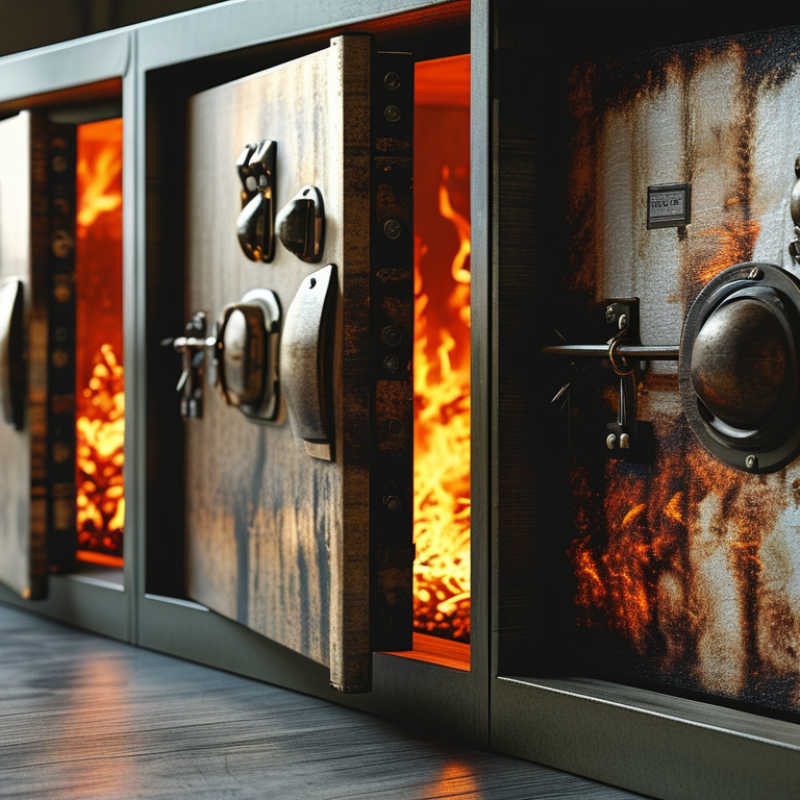
Understanding Fireproof Safes and Their Functionality
Fireproof safes are designed to protect important documents and valuables from extreme heat. They are made with special materials that can endure high temperatures. The effectiveness of these safes can vary based on their construction and the duration of exposure to heat.
Understanding how fireproof safes function is crucial. The core of the safe often contains an insulating material. This layer helps maintain a lower temperature inside the safe. However, the level of protection depends on the safe's fire rating, which indicates how long it can withstand heat. Consumers should pay attention to these ratings before making a purchase. Many safes claim to be fire-resistant but offer limited protection over prolonged exposure.
It’s important to note that not all fireproof safes are created equal. Some may protect against flames, but they may fail in extreme heat. Not every safe guarantees total protection for all items. Users should consider what they are storing inside the safe when choosing the right one. A fireproof safe should be one part of an overall safety plan for valuable items.
Fireproof Safes Effectiveness Against Extreme Heat
| Safe Type |
Fire Rating (Hours) |
Max Temperature (°F) |
Internal Space (Cubic Feet) |
Water Resistant |
| Light Duty Safe |
1 Hour |
1700°F |
1.2 |
Yes |
| Medium Duty Safe |
2 Hours |
1850°F |
2.5 |
Yes |
| Heavy Duty Safe |
4 Hours |
2000°F |
4.0 |
Yes |
| Document Safe |
1 Hour |
1550°F |
0.5 |
No |
| Floor Safe |
2 Hours |
1800°F |
3.0 |
Yes |
Key Materials and Design Features of Fireproof Safes
When considering fireproof safes, the materials used are crucial for ensuring effectiveness against extreme heat.
These safes often utilize a combination of steel and specialized fire-resistant materials.
Steel provides structural integrity, while layers of gypsum, concrete, or ceramic fibers offer protection.
These materials slow down heat transfer, which keeps the internal environment cooler.
However, the level of protection can vary greatly.
Design features also play a significant role. Many fireproof safes come with double-walled construction.
This design traps air between layers, creating an insulation layer that can withstand high temperatures.
Additionally, a secure sealing mechanism is important.
A tight seal can prevent smoke and heat from entering, which is vital during a fire.
Yet, not all safes provide the same level of sealing efficiency, making it essential to choose wisely.
While these safes are designed for protection, they are not infallible.
Extreme heat can compromise even the best materials over time.
Users should periodically review their safe’s condition.
Inspecting for any signs of wear can prevent potential losses.
Trusting a fireproof safe completely can lead to negligence, which is a risk in itself.
Evaluating Fire Ratings and Temperature Resistance Standards
When assessing fireproof safes, one key aspect is their fire ratings. These ratings indicate how long a safe can withstand high temperatures before the interior is compromised. Generally, safes are rated for periods such as 30, 60, or even 120 minutes. A higher rating does not guarantee total protection but offers a better chance against flames.
Understanding temperature resistance standards is crucial. Many safes are designed to protect against temperatures up to 1,700 degrees Fahrenheit. However, it’s important to remember that such extremes may exceed the safe's capabilities. Not all fires burn the same, and the conditions can vary dramatically. A safe might meet standard ratings yet still fail under specific circumstances.
In real-life scenarios, incorrect use and placement can also hinder effectiveness. For example, if a safe is placed in a garage, it may be more vulnerable to fire's wrath. Individuals should consider the environment and materials nearby as they can contribute to the fire's intensity. Regular reviews and proper maintenance are essential to ensure the safe's protection level remains sufficient. Keeping these considerations in mind helps build a reliable safeguarding strategy.
Tips for Choosing the Right Fireproof Safe for Your Needs
When selecting a fireproof safe, consider the specific level of protection it offers. Industry reports indicate that most household fires reach temperatures of about 1,500°F. Yet, not all safes can withstand such extreme heat. Look for safes tested to endure high temperatures for a set period, typically ranging from 30 minutes to 2 hours. This is crucial for protecting sensitive documents and electronics.
Image illustrating a fireproof safe setup.
Assess the UL rating of the safe. A UL Class 350 rating means the interior stays below 350°F for a specific duration. Avoid safes with lower ratings, as they may not provide adequate protection. Also, consider the materials used in construction. Steel safes with insulating layers tend to perform better than those made from thinner materials.
Remember, size matters. Choose a safe that fits your storage needs without overcrowding. Too many items can trap heat inside, reducing safety. Regularly influencing factors include humidity and environmental conditions. Also, think about accessibility. If necessary, prioritize easy access, but ensure it doesn’t compromise security. Balancing these elements requires careful consideration to select the right safe for your unique requirements and environment.
Best Practices for Using and Maintaining Fireproof Safes
Fireproof safes are essential for protecting important documents and valuables from extreme heat. Yet, simply owning one is not enough. Proper use and maintenance can enhance their effectiveness significantly. Experts recommend choosing a safe certified for high heat ratings. For instance, a safe rated for at least 1,700°F can withstand intense fires for a certain duration. This level of protection can make a significant difference.
Routine checks are vital. Inspect the safe's seals regularly. A compromised seal can allow steam or heat inside, compromising your valuables. Ensure that the safe is stored in locations with low humidity. Excess moisture can lead to corrosion. Additionally, consider the contents you store. Not all items are fire-resistant. Documents inside plastic sleeves may succumb to heat faster than expected.
Many individuals overlook the importance of keeping the safe in a stable environment. High humidity or fluctuating temperatures can weaken its structure. Moreover, some users may neglect the recommended maintenance schedule. This often leads to an increased risk of fire damage. To maximize protection, ensure that the safe is not just fire-rated, but also placed thoughtfully and maintained diligently.
FAQS
: Fireproof safes typically use steel, gypsum, concrete, and ceramic fibers. These materials together provide heat resistance.
Features like double-walled construction and tight seals improve insulation. This helps to slow down heat transfer effectively.
No, they are not infallible. Extreme heat over time can compromise even the best materials and designs.
Fire ratings indicate how long a safe withstands high temperatures. Ratings can range from 30 to 120 minutes.
Many safes withstand temperatures up to 1,700 degrees Fahrenheit, but conditions can vary. Not all fires burn the same.
Placing a safe in a garage increases vulnerability. Nearby materials can intensify fire damage.
Regular reviews are crucial. Look for signs of wear to prevent potential losses.
A higher rating improves chances of protection but doesn’t guarantee total safety in all situations.
Nearby combustibles can raise fire intensity. Consider surroundings to maintain the safe’s effectiveness.
Routine checks and upkeep are vital. Regular maintenance ensures the safe functions as intended over time.
Conclusion
Fireproof safes are designed to protect valuable items from extreme heat and fire damage, but understanding their effectiveness is crucial. The article examines how these safes work, detailing the key materials and design features that provide protection. It emphasizes the importance of fire ratings, outlining temperature resistance standards to help consumers gauge a safe's capabilities.
When considering whether "are fireproof safes really effective against high heat," the article provides tips for selecting the appropriate safe based on individual needs. Furthermore, it offers best practices for using and maintaining these safes to ensure optimal performance in the event of a fire. By exploring these facets, readers can make informed decisions about securing their valuables against fire hazards.
 RVault Box
