RVault Box RVault Box

Top 10 Reasons Are Floor Safes More Secure Than Wall Safes?

Time:2026-09-12 Author:Oliver
0%

Are floor safes more secure than wall safes? The honest answer depends on construction, installation, and the valuables involved. A floor safe can sit beneath heavy concrete, flooring, or furniture, making direct removal difficult. Its low position also reduces visibility during a hurried search. However, poor drainage, condensation, or weak anchoring can create serious risks. A hidden safe is not automatically a secure safe.

The 2023 FBI Crime Data Explorer recorded hundreds of thousands of reported burglary offenses in the United States. Yet FBI data does not compare floor and wall safes directly. Industry standards provide a better technical framework. UL 687 evaluates burglary-resistant safe performance, while UL 1037 addresses residential security containers and related anti-theft features. These standards focus on tested resistance, not simply location. The Safe and Vault Technicians Association also stresses professional installation and correct anchoring. Small details matter.

Security consultant Joel J. Skousen has stated, “A safe is only as secure as its installation.” That principle supports this article’s central question. A properly anchored floor safe may resist levering, carrying, and casual discovery better than many wall models. A wall safe can still offer practical protection when installed between structural studs, concealed correctly, and protected with a quality lock. Neither design wins every situation. That is the uncomfortable part.

This guide examines ten reasons floor safes may provide stronger physical security than wall safes. It also considers moisture, accessibility, fire ratings, building structure, and daily usability. Those limitations deserve attention. Real security comes from tested construction, expert fitting, sensible concealment, and regular inspection.
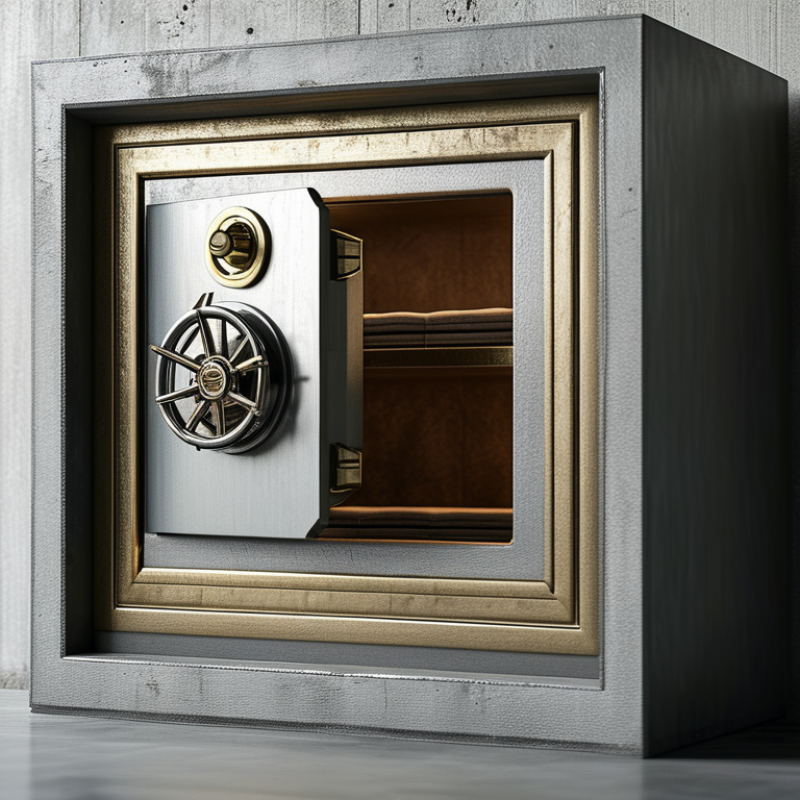
Top 10 Reasons Are Floor Safes More Secure Than Wall Safes?

Structural Differences Between Floor Safes and Wall Safes

Top 10 Reasons Floor Safes Are More Secure Than Wall Safes?

Structural Differences Between Floor Safes and Wall Safes

Floor safes and wall safes resist intrusion in different ways. The main difference is how each unit transfers force into the building. A floor safe sits within concrete or a reinforced structural base. Attackers must work against surrounding mass, not only the safe door. That mass also reduces movement when someone applies leverage. Floor installation can make removal difficult when the safe is correctly anchored.

Wall safes usually fit between studs. Their protection depends heavily on wall thickness, framing, and cabinet strength. A thin partition can offer concealment, but limited resistance. Someone may exploit the surrounding wall rather than attack the door directly. Reinforced walls improve performance, although they require careful structural planning. Cutting around electrical cables and plumbing is another practical concern.

Moisture changes the comparison. A floor location may face dampness, flooding, or condensation, especially in basements. Internal seals and corrosion-resistant materials therefore deserve close inspection. Wall safes often provide easier access and simpler maintenance. They may also blend naturally behind furniture or artwork. Concealment helps, but it should never replace solid anchoring and a tested lock mechanism.

Installation quality remains decisive. A poorly installed floor safe can become a liability. An incorrectly framed wall safe may shift under force. I have seen security plans overvalue hiding places and undervalue concrete quality. That is an uncomfortable lesson. Before choosing, assess the floor slab, wall construction, moisture exposure, access habits, and professional installation requirements.

How Floor Installation Improves Stability and Theft Resistance

A floor safe gains strength from its surroundings. When installed into a concrete slab, it becomes difficult to lift, drag, or tip. The floor distributes force across a wider area, while properly sized anchors reduce movement. It stays put. This stability matters when someone applies sudden pressure to the door or body. Wall safes often depend on studs, drywall, or cabinet framing, which may offer less resistance under heavy force.

Floor installation can also improve concealment. A safe placed beneath a removable floor panel, rug, or furniture is less noticeable during a quick room search. Its low position reduces leverage, making forced removal more challenging. However, concealment should never replace a strong lock, solid construction, and professional installation. A poorly fitted cover can create noise, gaps, or an obvious outline.

Experienced installers check concrete depth, drainage risks, ventilation, and access before cutting the floor. Damp locations need special attention because moisture can damage documents and internal mechanisms. A sealed container or moisture-control system may help, but neither solution is perfect. Floors can shift, crack, or collect condensation over time. Regular inspection is sensible. One overlooked detail is service access: a safe that is too deeply buried may become difficult to open, repair, or relocate. Proper anchoring, accurate measurements, and a dry installation site provide the practical foundation for stronger theft resistance.

Top 10 Reasons Floor Safes Are More Secure Than Wall Safes

Comparative security scores based on common installation and physical-security characteristics. Scores range from 1 (lower advantage) to 10 (higher advantage).

Floor installation typically improves stability because the safe can be anchored into concrete or structural flooring. It also reduces exposure to leverage, limits removal options, and makes concealment easier. Actual protection depends on construction quality, anchoring hardware, location, and installation.

Protection Against Pry Tools, Cutting, and Forced Removal

Top 10 Reasons Floor Safes Are More Secure Than Wall Safes?

Floor safes often resist pry tools because their doors sit below floor level. This limits access for crowbars and prevents a clear pulling angle. A properly fitted door also leaves fewer exposed edges. Wall safes can be concealed, but their frames may offer leverage when attackers locate them. Floor safes gain strength from surrounding concrete, especially when installed during construction. Placement matters.

Cutting tools also face practical barriers. Concrete around a floor safe restricts working space and reduces swing room. Forced removal becomes harder when the safe is anchored beneath flooring. A heavy safe may still be dragged away if installation is weak. That detail is easy to overlook. Security depends on the safe, its lock, and the structure holding it. Experienced installers should check concrete depth, drainage risks, door clearance, and anchor quality. No design is invincible.

Tips: Choose a location with limited tool access and avoid thin floors. Use professional installation for accurate anchoring. Keep the access area free from stored objects. Inspect hinges, bolts, and mounting points periodically. A hidden safe is useful, but concealment should never replace solid construction. Reconsider the setup after renovations or changes to the floor.

Concealment, Access Control, and Resistance to Environmental Threats

Floor safes can offer stronger concealment because they disappear beneath a fitted cover, flooring, or heavy furniture. A wall safe often leaves clues around studs, drywall cuts, or replacement patches. Ten practical advantages include concealment, reduced visibility, solid anchoring, lower pry leverage, and fewer exposed seams. They also support controlled access through key, combination, or electronic locking systems. That matters when several household members need different permissions.

The FBI Crime Data Explorer recorded more than 847,000 burglaries in the United States during 2022. This does not prove every floor safe performs better, but it highlights the value of delaying discovery. A properly installed floor safe transfers force into concrete, while a poorly mounted wall unit may move with the surrounding frame. Installation quality matters greatly. Sometimes, the safe is not the weak point.

Environmental resistance adds another advantage. The NFPA reported 1,504,500 U.S. fires and about 18.1 billion dollars in direct property damage during 2022. Many certified floor safes provide tested fire protection, while below-floor placement may reduce exposure to falling debris and radiant heat. Yet moisture can collect around concrete, especially in basements. The UL 72 standard evaluates records protection against fire, heat, and moisture, but certification does not guarantee protection from flooding. A raised internal liner, drainage planning, and periodic inspection remain sensible. Small oversights can defeat expensive security.

Key Limitations and Factors That Affect Safe Security

Top 10 Reasons Are Floor Safes More Secure Than Wall Safes?

Key Limitations and Factors That Affect Safe Security

A floor safe can resist casual removal because its body sits beneath heavy flooring and concrete. A wall safe may be exposed when someone opens a panel or removes nearby drywall. However, location alone does not guarantee protection. Poor anchoring, thin steel, weak hinges, or a low-quality lock can undermine either design. The surrounding structure matters more than many buyers expect. Moisture is another concern. A basement floor may feel dry, yet humidity can damage documents, batteries, and internal mechanisms over time.

Access also affects real-world security. A floor safe usually requires kneeling, lifting a cover, and clearing furniture. That slower process may discourage unauthorized handling. A wall safe can offer easier access at chest height, but concealment depends on the room’s layout. Visible seams, unusual wall panels, or frequent maintenance can reveal it. Fire resistance varies widely. Neither placement automatically protects contents from heat, water, or smoke.

Tips: Check the installation surface, drainage risk, door alignment, and lock quality. Ask a qualified safe installer to inspect the structure before fitting. Test the mechanism periodically, and keep records of servicing. Do not assume a heavier safe is always better. That assumption can be wrong. Security needs are personal, and a poorly installed floor safe may perform worse than a properly secured wall model. Reconsider the choice if daily access becomes difficult, because neglected equipment creates its own weakness.

Top 10 Reasons Are Floor Safes More Secure Than Wall Safes? - Key Limitations and Factors That Affect Safe Security

No. Security Factor Why a Floor Safe May Have an Advantage Key Limitation or Risk Overall Effect Practical Security Measure
1 Concealment A floor safe can be installed beneath flooring, a heavy fixture, or another concealed area, making visual discovery less likely. Installation may leave access panels, seams, or disturbed flooring that reveal its location. Usually favors floor safes Keep the access area consistent with the surrounding floor and avoid obvious concealment patterns.
2 Resistance to Forced Removal A properly installed floor safe can be surrounded by concrete, limiting access to its sides and making removal more difficult. A poorly anchored or shallow installation may still be pried out or removed with suitable tools. Potentially strong advantage Use structural anchoring and follow the manufacturer’s installation requirements.
3 Protection Against Pry Attacks The surrounding floor can restrict leverage and reduce the number of accessible attack points. The door, hinges, lock area, and frame remain vulnerable if they are lightweight or poorly designed. Often favors floor safes Evaluate door thickness, frame construction, hinge protection, and independent test ratings.
4 Anchoring and Structural Support Concrete floors can provide a stable base and may allow strong anchoring through the safe body or surrounding structure. Timber, suspended, or damaged floors may not provide adequate support without professional reinforcement. Depends on the building Check the floor structure, moisture conditions, load capacity, and anchor specifications before installation.
5 Resistance to Cutting and Drilling An embedded safe may reduce access to the outer shell and restrict working space for cutting tools. Steel thickness, composite materials, lock protection, and tool resistance vary considerably between models. Model-dependent Compare verified burglary-resistance ratings rather than relying on weight or appearance alone.
6 Visibility and Target Selection A concealed floor safe is less likely to be identified quickly during a short burglary compared with an exposed wall installation. A wall safe can also be concealed behind furnishings or artwork, so visibility depends heavily on the installation. Depends on concealment Avoid predictable locations and protect information about the safe’s existence and access method.
7 Moisture and Flood Exposure A floor safe may be secure against theft while remaining below the level of surface water and plumbing leaks. Basements, ground floors, and areas near bathrooms or water pipes can expose contents to flooding and corrosion. Potential disadvantage Use suitable seals, moisture protection, desiccants, and a location above known flood or leak paths where possible.
8 Fire and Heat Exposure The surrounding floor structure may provide some thermal separation, depending on the building materials and fire location. Heat protection is determined primarily by insulation, door seals, construction, and the safe’s tested fire rating—not simply by its position. Not inherently superior Select a safe with a documented fire-resistance rating appropriate for the stored documents or media.
9 Access and Everyday Usability Limited everyday access can reduce casual exposure and discourage unnecessary handling of valuable contents. Bending, kneeling, poor lighting, or blocked access can lead to improper closing, forgotten locking, or emergency delays. Security depends on behavior Choose a location that permits reliable opening, closing, inspection, and battery or lock maintenance.
10 Installation Cost and Building Constraints A permanent installation can provide stronger resistance to removal than a freestanding or lightly secured safe. Cutting into concrete or flooring may require professional work, permits, repairs, and future removal costs. Trade-off Balance security, property condition, rental restrictions, installation quality, and total lifecycle cost.

Important: A floor safe is not automatically more secure than a wall safe. Actual protection depends on construction quality, lock design, concealment, anchoring, installation, environmental conditions, and correct use.

FAQS

Why can a floor safe resist force better than a wall safe?

A floor safe works with surrounding concrete or a reinforced base. Attackers must overcome the building mass, not only the door. This limits movement.

How does a wall safe depend on the wall structure?

A wall safe usually fits between studs. Its protection depends on wall thickness, framing strength, and cabinet construction. A thin partition may hide it, but offer limited resistance.

Why are floor safe doors harder to pry open?

Many floor safe doors sit below floor level. This reduces exposed edges and leaves less room for crowbars. The position matters.

Can a floor safe resist cutting tools?

Concrete around the safe restricts working space and tool movement. It can make cutting slower and less convenient. No design is invincible.

Is a floor safe difficult to remove?

Proper anchoring beneath the flooring can make forced removal difficult. A heavy unit may still move if installation is weak. That detail is easy to miss.

What moisture problems can affect a floor safe?

Floor locations may face dampness, flooding, or condensation. Inspect internal seals and corrosion-resistant materials carefully. Basements need extra attention.

Are wall safes easier to access and maintain?

Usually, yes. Their position often allows simpler inspection and maintenance. Concealment behind furniture or artwork can help, but hiding is not enough.

What installation mistakes reduce safe security?

Poor concrete, weak anchors, or incorrect framing can undermine protection. Check door clearance, hinges, bolts, and mounting points. Installation quality matters more than expected.

How should someone choose between a floor safe and a wall safe?

Assess the floor slab, wall construction, moisture exposure, and daily access habits. Consider professional installation. I would not choose concealment alone.

Conclusion

Are floor safes more secure than wall safes? In many situations, floor safes provide stronger physical protection because they are anchored into a solid structure and supported by surrounding flooring materials. This installation can improve stability, reduce movement, and make forced removal more difficult. Their position may also limit access to pry tools and reduce exposure to cutting or impact attacks. When properly concealed beneath suitable coverings, floor safes can offer an additional layer of discretion while allowing controlled access for authorized users.

However, security depends on more than location. Wall safes may be effective when installed between strong structural supports and protected by appropriate construction. Both types can face limitations involving moisture, fire, poor installation, weak locking systems, or inconvenient access. Environmental conditions, safe quality, anchoring methods, and the surrounding structure all influence performance. Therefore, floor safes are often more resistant to physical displacement, but the most secure choice depends on the installation environment, protection needs, and quality of the safe itself.

Oliver

Oliver

Oliver is a seasoned marketing professional with a wealth of expertise in driving brand awareness and engagement. With a deep understanding of our company's product offerings, he consistently delivers high-quality content that enriches our professional blog. His insights not only shed light on......