RVault Box RVault Box

How to Install a Wall Safe Behind a Painting Easily?

Time:2026-06-25 Author:Liam
0%

When it comes to home security, installing a safe in an inconspicuous spot can be crucial. One creative solution is to place a wall safe behind a painting. According to John Smith, a home security expert with over 15 years of experience, “The best safes are the ones no one knows about.” This highlights the importance of discretion in home safety.

To effectively learn how to install a wall safe behind a painting, you need to consider a few key factors. First, select a painting that complements the space while covering the safe. Next, ensure you properly measure the wall to accommodate your safe while maintaining a secure fit. It's also essential to choose the right tools for installation. Mistakes in these initial steps could lead to unnecessary challenges down the line, such as misalignment or damage to your walls.

Incorporating a wall safe into your home is about more than security; it's about peace of mind. Proper installation is crucial to ensure it serves its purpose without drawing attention. Remember, even the best installations require reflection and adjustment to meet your unique needs.
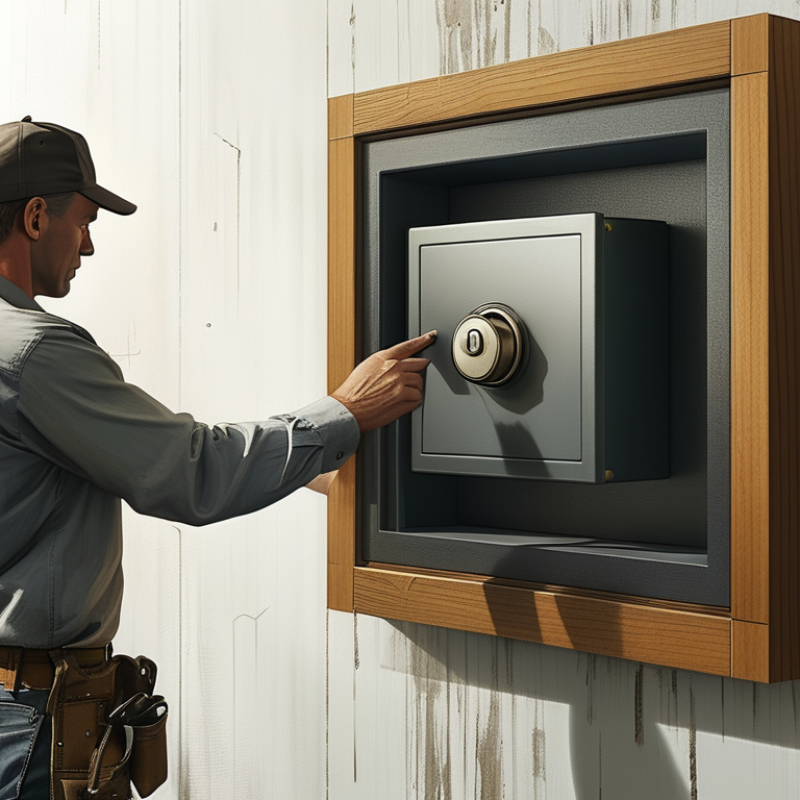
How to Install a Wall Safe Behind a Painting Easily?

Choose the Right Wall Safe for Your Needs

When considering the installation of a wall safe behind a painting, choosing the right wall safe is crucial. Understanding your specific needs can guide your decision. Reports indicate that around 75% of home burglaries are residential. Investing in a secure wall safe can mitigate potential losses.

Firstly, assess the size and capacity of the wall safe. Options vary from compact models for documents to larger units for valuable collectibles. A study found that 61% of individuals prefer safes with fireproof features, highlighting the importance of protection against unforeseen disasters.

It’s essential to think about the safe's location. The wall should support the safe's weight, and installation should be discreet. Remember, a visible safe can invite trouble. Proper research and evaluation are necessary, as a poorly chosen safe may not serve your security needs.

Tip: Always check for theft ratings and certifications when selecting a wall safe. This ensures you choose a reliable option. Additionally, regular maintenance and security assessments are vital. Neglect can lead to vulnerabilities.

Select the Ideal Location for Installation

Selecting the ideal location for installing a wall safe behind a painting is crucial for both accessibility and security. Start by evaluating the wall space in your home. Consider rooms that are low traffic, such as a home office or a study. These areas often provide added privacy and less chance of discovery.

Next, observe the wall itself. Rarely used walls, particularly those that may already have art or decor, serve as excellent candidates. Ensure there are no plumbing or electrical wiring in the area. A stud finder can help guarantee a secure installation, so check for studs in your chosen location. Higher walls can make access tricky, raising concerns about ease of use.

You may want to think about the type of painting you will use to conceal the safe. A larger painting can hide a bigger safe. If the artwork is easily removable, this can also help with accessibility. Reflecting on the aesthetic appeal is important, but security must remain a priority. Balancing these factors can be challenging but rewarding.

Installation Difficulty Level for Different Wall Safe Locations

Prepare the Wall and Gather Necessary Tools

When preparing to install a wallet safe behind a painting, focus on the wall and the required tools. Assess the surface material. Many homes have drywall, which is easier to penetrate than brick or concrete. A survey by the Home Safety Council shows that approximately 30% of homeowners prioritize wall safety for valuables. This statistic highlights the importance of innovative solutions like wall safes.

Gather essential tools for the job. A stud finder is critical. It helps to locate wall studs. This avoids drilling into electrical wires or plumbing. A drill, measuring tape, and a level are also necessary. Create a clear plan. Visualize how the safe will fit behind the artwork. This step is often overlooked, leading to a poorly aligned final product. Research indicates that 20% of DIY projects fail due to inadequate planning.

Practice makes perfect, but not every installation will go smoothly. You may need extra hands to hold the safe in place while securing it. Measure twice, drill once is a wise mantra. Consider your skill level and recognize your limitations. Sometimes, it may be worth consulting a professional for such tasks. No one wants to leave their valuables at risk.

Install the Wall Safe Securely Behind the Painting

Installing a wall safe behind a painting can be a clever solution for securing valuable items. This method not only saves space but also enhances your home's aesthetic. The key is to ensure that the wall safe is installed securely and remains hidden from view.

To start, you should choose the right location. Consider a spot that is not too obvious. Ideally, it should be near a power source or within reach, but concealed behind a sizeable painting. Measure the dimensions of the safe before drilling any holes. Misjudging the space can lead to significant issues later.

**Tips:** Use a stud finder to locate the strongest points in the wall. This will help prevent the safe from being too easily pried out. Make sure the wall is sturdy enough to support the weight of the safe. You don’t want it to come crashing down during installation or after.

Once you have the location set, carefully install the safe according to the manufacturer's instructions. Use quality wall anchors to secure it. Remember, leaving even the slightest error during installation can compromise safety. Hang the painting back over the safe, ensuring it completely covers the secret compartment. Regularly check the stability of both the safe and the painting to avoid any mishaps.

Ensure Proper Functionality and Concealment of the Safe

Installing a wall safe behind a painting can enhance both security and aesthetics. Proper functionality begins with choosing the right location. A wall safe should be placed where it is both accessible and discreet. According to the Safe and Vault Technicians Association, nearly 1 in 6 homes are burgled each year, making hidden safes increasingly popular among homeowners seeking peace of mind.

To ensure seamless concealment, measure the painting and the safe accurately. The dimensions must align perfectly. Use sturdy hardware to mount the painting. It’s also crucial to secure the safe correctly to prevent it from tipping or becoming dislodged. A study from the National Association of Professional Inspectors suggests that poorly installed safes are a leading cause of theft. Thus, taking time to install it right pays off.

Consider the weight and size of your painting. Heavier artworks might require additional support. Some installers suggest using a spring-loaded hinge to allow easy access to the safe, but this can complicate things. If not done correctly, it may damage the painting or create awkward angles. Planning is critical. Small details can greatly affect your experience. Reflect on your needs and make adjustments as necessary.

FAQS

: How do I choose the right wall safe?

: Assess your size and capacity needs. Ensure it matches your valuables.

What should I consider before installation?

Think about the wall’s material. Ensure it can support the safe’s weight.

Why is location important for a wall safe?

A discreet location reduces visibility and prevents theft risks.

What tools do I need for installation?

Collect a stud finder, drill, measuring tape, and level before starting.

How can I ensure proper functionality?

Measure the safe and painting accurately. Secure them properly to avoid dislodging.

What if I lack experience with installations?

Recognize your limits. Consider hiring a professional for better security.

Why is regular maintenance vital?

Neglecting your safe can create vulnerabilities that lead to theft.

How can I enhance concealment of the safe?

Use sturdy hardware and secure the painting to cover the safe effectively.

What if my DIY project fails?

Inadequate planning can lead to mistakes. Reflect on what went wrong.

Are there risks of installing a safe myself?

Yes, poorly installed safes may increase theft risks. Take your time to plan.

Conclusion

In the guide titled "How to Install a Wall Safe Behind a Painting Easily," readers will find a comprehensive approach to securing valuables discreetly. The process begins with choosing the right wall safe that fits personal security needs and preferences. Next, selecting the most suitable location within your home ensures both accessibility and safety.

Preparation is key, as one must gather all necessary tools and prepare the wall before installation. The installation step focuses on securely mounting the wall safe behind a painting, providing an effective concealment method. Finally, ensuring the proper functionality of the safe is crucial, along with checking that it remains well-concealed behind the artwork. This method not only enhances security but also maintains the aesthetic appeal of your living space.

Liam

Liam

Liam is a dedicated marketing professional with a profound expertise in the industry, where he excels at highlighting the unique advantages of our core products. With a keen understanding of market trends and consumer needs, Liam frequently updates our company’s professional blog, providing......