When considering home safety, many people invest in fireproof safes. These safes are designed to protect valuable items from fire damage. However, knowing what items should never be put in a fireproof safe is crucial for effective protection. A survey by the National Fire Protection Association reveals that over 350,000 home structure fires occur annually in the U.S., highlighting the need for reliable storage solutions.
Despite the promise of fireproof safes, certain items can be compromised inside them. For example, electronics and batteries can be damaged by heat and moisture buildup. Additionally, essential documents like passports and insurance papers, if placed incorrectly, may not withstand high temperatures. The fires often reach extreme heat, rendering some items useless even in a safe. It's essential to evaluate your items; not all will benefit from being stored in a fireproof environment.
Awareness of these risks can lead to better decision-making. Rather than blindly assuming a fireproof safe is foolproof, one must consider the specific materials and their vulnerabilities. By doing so, you enhance the protection of your most valuable assets and ensure they remain intact in the event of a fire. Understanding what items should never be put in a fireproof safe can save both heartache and loss.
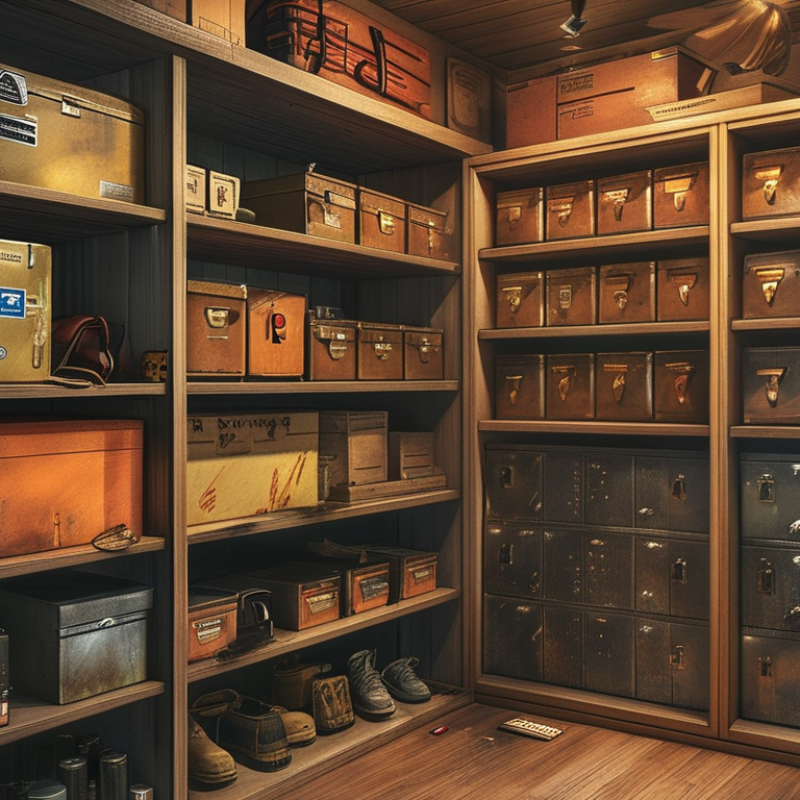
Items That Can Suffer Damage from Heat in a Fireproof Safe
When choosing items to store in a fireproof safe, it’s crucial to consider their sensitivity to heat. While fireproof safes can withstand high temperatures, certain items might still be at risk. For example, digital media, like CDs and DVDs, can melt or become unreadable. Even well-designed fireproof safes may not offer complete protection against the heat generated during a severe fire.
Paper documents, while often stored in safes, can also suffer degradation. Prolonged exposure to heat can cause discoloration, brittleness, and loss of critical information. Photos, too, are susceptible. They can warp or develop discoloration, ruining precious memories. It’s essential to think twice about what you’re placing in your safe.
Some electronics might not fare well either. USB drives and other small devices can be damaged. Even if they look fine externally, the internal components can be compromised. Trusting a fireproof safe doesn’t mean total safety for everything. Regularly assess what you keep inside and consider alternative storage for more heat-sensitive items.
Documents That May Be Vulnerable to Water Damage in Fireproof Safes
When storing documents in a fireproof safe, many people assume that everything inside will remain untouched by disaster. However, there are certain items that can still be vulnerable to water damage. Fireproof safes often boast high heat-resistance but might not fully protect against external water sources.
Important documents like photographs, birth certificates, and legal papers can suffer from water exposure. Even a small amount of moisture can cause ink to run or paper to warp, leading to irreversible damage. If your safe encounters water, these items may not recover.
Another area to consider is the storage of electronic devices. USB drives and external hard drives are often deemed safe. Yet, water can still infiltrate these devices during a fire or flooding.
Consider using protective casings designed specifically for extreme conditions. Storing these items in separate, waterproof containers may be a wiser choice overall. Reflecting on how you secure your most valuable items can help you avoid devastating loss.
Valuables That Are Better Stored Outside of Fireproof Safes
When considering what items to store in a fireproof safe, it's crucial to remember that not everything is suited for one. Certain valuables might be better kept outside fireproof safes. For example, documents made of non-heat-resistant materials can deteriorate under high temperatures. Some photographs may also fade or get damaged despite the safe's protective features.
Jewelry can be another tricky item. While fireproof safes offer protection from heat, they may not prevent moisture or theft, making a more secure location a better choice. Similarly, items like digital storage devices can be risky. While designed to withstand fire, they can fail under extreme conditions, rendering your data inaccessible.
Ultimately, understanding the limitations of fireproof safes can help you make informed decisions. You might find that essentials like sentimental items or critical electronics are best kept separately. Reflect on your storage choices regularly, and adjust as needed. The goal is always to prioritize your valuable possessions effectively.
Perishable Items and Their Risk of Degradation in Fireproof Safes
When considering what to store in a fireproof safe, it's vital to recognize that not all items are suitable. Perishable items, such as food and medications, can degrade even in a fireproof environment. The temperatures inside these safes can fluctuate, potentially harming sensitive items. For instance, studies show that many medications lose potency when exposed to extreme heat.
Tips: Use a refrigerator for medications that require cool storage. Check expiration dates regularly.
Documents such as photographs and heirlooms are at risk too. Though fireproof safes protect against flames, moisture can compromise items that are not well-sealed. Experts recommend using archival-quality materials for important documents to minimize degradation.
Tips: Store important papers in protective sleeves. Consider a climate-controlled environment for sensitive documents.
What Items Should You Never Place in a Fireproof Safe? - Perishable Items and Their Risk of Degradation in Fireproof Safes
| Item Type |
Reason for Degradation |
Recommended Storage |
| Food Items |
Food can spoil due to heat and humidity. |
Cool, dry pantry or refrigerator. |
| Medicines |
Temperature fluctuations can reduce efficacy. |
Room temperature or as prescribed on labels. |
| Plants |
Lack of sunlight and appropriate conditions can kill plants. |
Outside or well-lit, ventilated areas. |
| Documents with Sensitive Information |
High heat can cause ink to fade or paper to burn. |
Digital copies or external safe depending on heat tolerance. |
| Batteries |
Heat can lead to leakage or damage. |
Cool, dry storage area away from heat sources. |
Electronics and Their Incompatibility with Fireproof Safe Storage
When considering what to store in a fireproof safe, electronics rarely make the list. Electronics can be sensitive to heat, moisture, and pressure. Even a fireproof safe cannot guarantee protection against these factors for all electronic devices. A fire can damage internal components before the safe cools down.
Consider a smartphone or a laptop. Their batteries may explode when exposed to high temperatures. Data stored on these devices can become corrupted or lost completely. Furthermore, moisture can enter the safe during a fire, leading to further damage. Some people mistakenly believe fireproof means completely secure. This misconception often leads to heartache when they open the safe post-fire.
Certain items deserve priority in a safe. Documents, hard drives, and family photos are crucial. They require protection from both fire and water. Clearly, proper understanding of what belongs in a fireproof safe is necessary. Storing electronics may seem convenient, but the risks overshadow the benefits. Ultimately, a cautious approach is best when safeguarding your valuables.
Items to Avoid in a Fireproof Safe
FAQS
: Digital media, like CDs and DVDs, can melt in high heat.
Yes, heat can cause discoloration and brittleness in paper documents.
Photos may warp or develop discoloration due to heat exposure.
USB drives and small electronics might be damaged, even if they appear fine.
Yes, water exposure can harm important documents and ink may run.
Jewelry may be better kept elsewhere due to moisture and theft risks.
Consider using waterproof casings or storing them in separate containers.
Understanding limitations helps you protect valuable items from potential losses.
Keep them in a secure location outside of a fireproof safe if possible.
Yes, even fireproof safes don't guarantee total safety for all items.
Conclusion
When considering safe storage options, it's essential to ask, "What items should never be put in a fireproof safe?" Certain items can be negatively impacted by the conditions within a fireproof safe. For instance, documents made of sensitive paper or materials may sustain heat damage, while others could be at risk of water damage due to the safe's internal cooling process. Furthermore, valuable items that could deteriorate over time, such as art or collectibles, are often better stored in climate-controlled environments rather than inside a safe.
Additionally, perishable items have a high risk of degradation in the confined space of a fireproof safe, where humidity and temperature may fluctuate. Electronics should also be kept out of these safes, as they are prone to damage from heat and moisture. In summary, when deciding what to store, it’s crucial to consider these risks to ensure the longevity and safety of your valuable possessions.
 RVault Box
