 RVault Box
RVault Box
RVault Box
How to Legally Store Firearms at Home in 2026?
What are the legal requirements for storing firearms at home? The answer depends on your country, state, province, and local authority. Some jurisdictions require locked containers, separate ammunition storage, or approved safety devices. Others impose stricter rules when children or prohibited persons could enter the property. Requirements may also change during 2026. Always confirm current rules through an official government website or a qualified local firearms attorney.
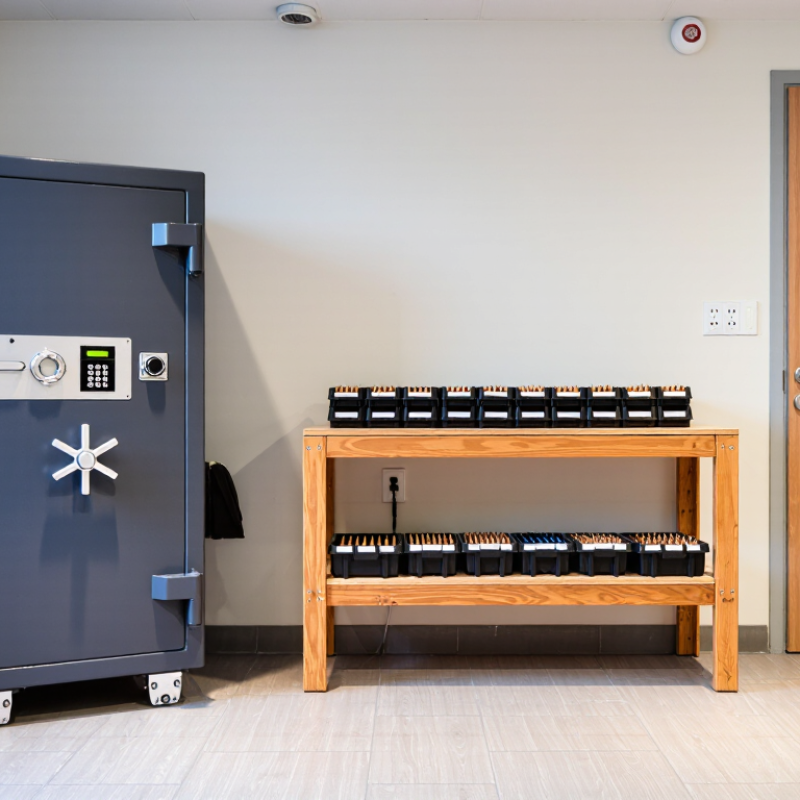
Bill Brassard, a former National Shooting Sports Foundation communications director, has emphasized: “The best way to prevent unauthorized access to firearms is to store them locked up and unloaded, with ammunition stored separately.” That principle provides a practical starting point. Picture a locked, anchored safe in a dry room, with its access code known only to authorized adults. A cable lock or chamber lock may add protection, but it should not replace legally required storage.
Details matter. Keep keys away from backpacks, drawers, and visitors. Review who can access the home, including contractors and temporary guests. Test the lock regularly. A perfect checklist does not guarantee perfect safety. Laws can be unclear, and household routines can fail. That is why responsible owners should document their storage method, inspect it periodically, and obtain jurisdiction-specific legal advice. This guide explains common legal expectations, but it cannot replace professional guidance for your location.
How to Legally Store Firearms at Home in 2026?
Federal law sets a baseline, but it does not create one universal storage rule for every private home. Federal requirements often apply to licensed dealers, while owners must still prevent access by prohibited persons. Check the current federal code and your state statutes. The Bureau of Alcohol, Tobacco, Firearms and Explosives publishes regulatory guidance, but local rules may add stricter duties.
State laws can require locked containers, trigger locks, separate ammunition, or storage when children could access a firearm. Some jurisdictions also impose reporting deadlines after theft or loss. Requirements can change after court decisions. Verify the exact wording through your state attorney general, local government, or a licensed attorney. Online summaries can be outdated.
Practical storage should match the law and the household. Use a locked, tamper-resistant container, keep access credentials private, and store ammunition separately when required. Never rely on hiding a firearm. The CDC reported 48,204 firearm deaths in 2022, showing why careful prevention matters. RAND’s Gun Policy in America evidence review found moderate evidence linking child-access prevention laws with fewer unintentional firearm injuries among children. I once treated “locked” as a complete answer. It is not. A weak lock, shared code, or forgotten key can defeat compliance. Recheck the rules in 2026, especially after moving or adding a child to the household.
| Jurisdiction | Who or What Triggers the Rule? | Required Storage Method | Key Legal Point | Primary Authority |
|---|---|---|---|---|
| United States Federal Law | Certain firearm transfers by federally licensed dealers; juvenile access restrictions also apply. | For covered handgun transfers, the dealer must provide a secure-gun-storage device or safety device. Federal law does not impose one universal safe-storage rule on every firearm owner at home. | Federal requirements are a baseline only. State and local laws may require locked storage, especially where minors or prohibited persons may gain access. | 18 U.S.C. § 922(z); 18 U.S.C. § 922(x) |
| California | A child or prohibited person may access the firearm, or a firearm is stored in a residence with a prohibited person. | Use a locked container, approved locking device, or another legally recognized method that prevents unauthorized access. Handguns generally require a compliant locking device when sold or transferred. | Criminal liability can arise when a child gains access under circumstances covered by the statute. Additional rules apply when a prohibited person resides in the home. | California Penal Code §§ 25100, 25105, 25135, 23635 |
| Colorado | A firearm is not carried by or under the immediate control of the owner in a residence. | Store the firearm in a locked gun safe, locked storage container, or secure it with a locking device that prevents discharge. | The statute includes exceptions, including situations involving immediate control, lawful use, or specific circumstances identified in the law. | Colorado Revised Statutes § 18-12-114 |
| Connecticut | A minor under 18 or a prohibited person may gain access to a firearm, particularly a loaded firearm. | Secure the firearm in a locked container or use a locking device that prevents unauthorized access or discharge. | Connecticut imposes criminal-negligence rules for failing to secure firearms when a child gains access. Separate handgun-storage provisions may also apply. | Connecticut General Statutes §§ 53a-217a, 29-37i |
| Florida | The owner knows or reasonably should know that a minor under 16 may gain access to the firearm. | Keep the firearm in a locked container or secure it with a trigger lock or other device that prevents access. A firearm may also qualify as securely stored when carried on the person. | The rule is focused on preventing access by minors and includes statutory exceptions and notice requirements. | Florida Statutes § 790.174 |
| Massachusetts | A firearm is not under the owner's direct control or is not being carried or used in accordance with law. | Store the firearm in a locked container or secure it with a tamper-resistant mechanical lock or other approved safety device. | Massachusetts generally requires secure storage of firearms and imposes significant penalties for unlawful storage. The statute contains limited exceptions. | Massachusetts General Laws, Chapter 140, § 131L |
| New Jersey | A person under 16 or a prohibited person may gain access to a firearm that is not under the owner's immediate control. | Use a locked container, locked gun safe, or a securely fastened locking device. The firearm should be unloaded when stored unless an applicable exception applies. | New Jersey also requires specific warning information in certain firearm transactions and may impose criminal penalties for unsafe storage. | New Jersey Statutes § 2C:58-15 |
| New York | A firearm is not in the owner's immediate possession or control, or a person prohibited from possessing firearms lives in the residence. | Store the firearm in a safe-storage depository or locked container. The method must prevent access by unauthorized persons. | New York's safe-storage requirements can apply to rifles, shotguns, and firearms, with additional rules for homes containing prohibited persons. | New York Penal Law § 265.45 |
| Oregon | The firearm is not carried by or under the immediate control of the owner. | Secure the firearm with a trigger or cable lock, in a locked container, or by another method specifically recognized by Oregon law. | Oregon's safe-storage law includes exceptions and may impose liability when a firearm is accessed or used by an unauthorized person. | Oregon Revised Statutes § 166.395 |
| Texas | A child under 17 gains access to a readily dischargeable firearm and the owner acts with criminal negligence. | Texas does not impose one broad, universal locked-storage requirement for every firearm in every home, but owners should use a locked container or disabling device to prevent child access. | Failure to secure a firearm can constitute an offense when the statutory conditions are met. Local rules and housing policies may impose additional requirements. | Texas Penal Code § 46.13 |
| Washington | A child or prohibited person may access the firearm, and the firearm is not secured against unauthorized access. | Store the firearm in a locked container, secured location, or use a device that prevents unauthorized use or discharge. | Civil liability and other consequences may apply when a firearm is obtained or used by a child or prohibited person. Statutory exceptions may apply. | Washington Revised Code § 9.41.360 |
Important: This comparison is a general educational summary, not legal advice. Firearm-storage rules may change and local ordinances, court orders, lease terms, and regulations for prohibited persons may impose stricter requirements. Confirm the current statute and applicable local rules before storing a firearm.
No. Federal law may set a baseline, but state and local rules can be stricter. Check current statutes before deciding.
Some laws require locked containers, trigger locks, or separate ammunition storage. Others address access by children or reporting after theft. Requirements can change.
Review current government guidance, state statutes, and local requirements. A licensed attorney can clarify unclear wording. Online summaries may be outdated.
Choose a tamper-resistant safe, lockbox, or approved device matching local requirements. Look for strong hinges, a dependable lock, and stable construction.
No. Hiding is not a reliable storage method. Use a locked device, and keep keys, codes, and backup access methods private.
Keep them away from children, visitors, and unauthorized household members. Avoid obvious places, such as an unlocked desk drawer. Shared codes weaken security.
Follow local law and the device instructions. Separate storage may be required, and it can reduce access risks. Check the exact rule.
Inspect the lock, hinges, mounting, and moisture conditions regularly. Recheck compliance after moving, renovating, or adding a child. Heavy does not mean compliant.
It may work when legally approved and properly secured. Make sure it cannot be carried away accidentally. A small box still needs serious protection.
Assuming “locked” solves everything is a mistake. A weak lock, forgotten key, or shared code can defeat the whole plan. Review honestly.
Storing firearms legally at home in 2026 requires careful attention to federal, state, and local regulations, which may differ depending on where you live and who resides in or visits your home. If you are asking, “What are the legal requirements for storing firearms at home,” begin by reviewing current official rules and identifying every person who might access the firearm, including household members, guests, and minors. Access should be limited to authorized, responsible adults.
Choose a secure safe, lockbox, or other approved storage device that meets applicable legal standards and fits your firearm securely. Firearms should generally be unloaded, locked, and kept separate from ammunition unless local law provides different instructions. Regularly inspect the storage device, locks, keys, codes, and surrounding area to ensure continued security and compliance. Because regulations can change, confirm requirements with the appropriate government authority or a qualified legal professional.
