RVault Box
Every time you open your safe, you might hear a bothersome beep. If you're wondering, "Why does my safe beep every time I open it?" you're not alone. This sound can indicate various issues, and understanding them is essential for reliable use. Beeping often signals low batteries or programming errors that need attention.
The beeping serves as a warning or alert for users. If the battery is weak, it can fail to operate correctly. This small detail is crucial; without fresh batteries, your safe might not open. Additionally, some safes are designed to beep when incorrect codes are entered. This protects your belongings but can also cause frustration if you are unaware.
Reflecting on these beeping issues reveals the importance of maintenance. A beeping safe can be annoying, but it is a safeguard in disguise. Addressing these beeps will ensure your safe functions properly and protects what matters most. Understanding why it beeps will enhance your safe experience.
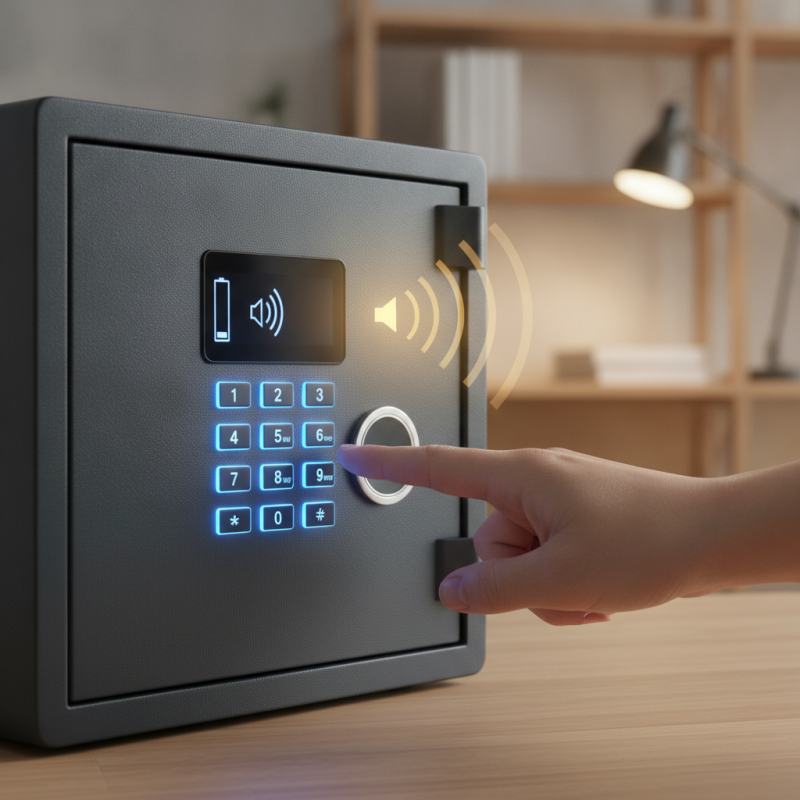
When you open a safe, you might notice a beeping sound. This noise is often associated with alarm systems designed to enhance security. Understanding how these alarms work can help demystify the experience.
Safe alarms typically serve multiple purposes. They alert you when unauthorized access attempts occur. According to a recent industry report, over 30% of home and office thefts involve safes. Each beep can signify an alert that prompts you to check the status of your safe. The beeping can also indicate low battery levels or a malfunction. In such cases, it’s essential to consult the user manual for troubleshooting tips.
Some safes have built-in indicators to signal their condition. These may include LED lights that flash alongside the beeping. While convenient, these alarms can be a double-edged sword. Their sensitivity can sometimes be excessive, triggering false alarms. Reaction to these sounds can vary widely among users. Some may feel reassured, while others view the beeping as an annoyance. The purpose behind the noise is clear, yet its implementation might require further refinement.
When a safe beeps upon opening, it can be puzzling. Several common reasons could be causing this annoyance. One leading factor is low batteries. Many electronic safes rely on battery power. If the batteries are weak, the safe may beep to signal that a change is needed. According to industry reports, over 40% of safe malfunctions arise from battery issues.
Another reason for the beeping could be a reset feature. Some safes beep to confirm successful locking and unlocking. This is often intended for user awareness, but it can be bothersome. A study published by the Home Security Association noted that improper handling often leads to confusion about these sounds. Users should refer to the manual for proper operation, as it's easy to overlook these details.
Lastly, error codes may trigger beeping. If the safe detects operational issues, it might emit a series of beeps. This could relate to incorrect code entries or internal malfunctions. Professionals recommend checking the user manual for troubleshooting tips. Understand that beeping serves a purpose. It’s designed to promote safe usage, though it can also lead to frustration.
When you open your safe and it beeps, it can be frustrating. This sound may indicate various issues ranging from low battery power to mechanical failures. Addressing why your safe beeps is crucial for ensuring its reliability.
A common reason for the beeping is low battery. If your safe uses electronic locks, check the batteries. Replace them if they are weak. Signs of weak batteries can include dim display lights and erratic beeping. Make it a habit to replace the batteries regularly, even if the safe appears to function normally.
**Tips:** Always keep an extra set of batteries nearby. This way, you can quickly replace them when needed. If the beeping continues after a battery change, listen for additional sounds. Unusual clicking or grinding noises may signal internal issues. Consult the user manual for troubleshooting steps.
Another reason for beeping can be a malfunctioning keypad. Dirt or moisture can lead to unresponsive keys or wrong entries, causing alarms. Clean the keypad gently to remove debris. If cleaning doesn’t help, consider seeking professional assistance. This ensures the safe remains secure.
| Issue | Description | Possible Solution |
|---|---|---|
| Low Battery | The safe beeps to alert you that the battery level is low. | Replace the batteries with fresh ones. |
| Open Door Alert | Some safes beep when the door is open for security purposes. | Close the door securely to stop the beeping. |
| Incorrect Code Entry | The safe beeps in response to multiple failed code entries. | Wait a few minutes before trying to enter the code again. |
| Faulty Electronics | Internal issues may cause random beeping. | Contact a technician for diagnosis and repair. |
| Environmental Factors | Extreme temperatures or humidity can affect safe performance. | Move the safe to a more stable environment and check for improvement. |
The beeping sound when opening your safe can be annoying. It is often a warning signal that something needs attention. According to a report by the American Security Industry Association, 88% of users find audible alerts beneficial for maintaining security. However, persistent beeping may indicate a battery issue. Regular battery checks can help reduce unnecessary noise.
To prevent beeping, consider the environment where your safe is placed. Humidity and temperature extremes can affect the components. A study from the Electronic Security Association noted that 70% of electronic malfunctions occur due to environmental stressors. Keeping your safe in a stable environment may prevent certain beeping issues.
Lastly, ensure you understand your safe's user manual. Misconfigurations can lead to beeping issues. It’s crucial to follow the manufacturer’s guidelines closely, even when they seem mundane. Reflecting on these details can help you troubleshoot effectively, saving you time and frustration in the future. It’s about creating a secure environment that works seamlessly for you.
When a safe beeps every time you open it, this can signal an issue. Many homeowners may question if the sound is normal or a warning. For instance, a malfunctioning electronic lock may emit beeping sounds. According to a report by the Safe Manufacturers Association, around 15% of safes experience electronic malfunctions within five years. This is not uncommon.
Seeking professional help becomes crucial when beeping persists. If the safe fails to open or shows error codes, it's time to consult an expert. Data from industry surveys indicate that about 30% of users encounter issues that ideally require technician involvement. Ignoring these signals could lead to more significant problems or potential loss of access to personal items.
Listen carefully to the sounds your safe makes. Often, different beeps can signify various issues, such as low battery or system errors. Professionals recommend addressing these noises promptly. If the troubleshooting tips don’t resolve the issue, engaging a qualified technician ensures your safe functions properly. This protects your valuables and gives you peace of mind.
: Beeping may indicate low battery levels or signal unauthorized access attempts.
Check the batteries first. Weak batteries often lead to persistent beeping.
Not always. Alarms can trigger false alerts due to high sensitivity.
Regularly check the batteries and place the safe in a stable environment.
It confirms actions. However, it can be annoying for some users.
Refer to the user manual for troubleshooting tips regarding operational issues.
Yes, humidity and temperature extremes can lead to electronic malfunctions.
Read the user manual thoroughly. Proper knowledge can prevent confusion.
Some users may find consistent noise distracting, especially during quiet moments.
Many users find it helps maintain security, despite potential annoyance.
If you've ever wondered, "Why does my safe beep every time I open it?" you're not alone. Understanding the functionality of safe alarms is crucial, as many safes are equipped with beeping alerts designed to notify users of unauthorized access or to alert them when the safe is being opened. Common reasons for this sound include low battery levels, incorrect entry codes, or even malfunctioning components.
To troubleshoot these beeping issues, start by checking the batteries and ensuring that you're inputting the correct code. If the problem persists, there are preventative measures you can take, such as properly maintaining the safe and regularly checking its components. However, if you find that the beeping continues despite your efforts, it may be time to seek professional help to address potential malfunctions within the safe.