 RVault Box
RVault Box
RVault Box
When relocating, one of the biggest challenges can be figuring out how to transport a heavy gun safe during a move. These safes are not only heavy but often awkwardly shaped, making them difficult to maneuver. Industry expert John Smith, a veteran mover with over 15 years of experience in the field, emphasizes, "Proper planning is key to safely moving a gun safe."
Understanding the weight and dimensions of the safe is crucial. Knowing how to measure doorways and pathways will help avoid unnecessary damage. Consider using specialized equipment such as furniture dollies or moving straps to assist with the lift. Remember, bending at the knees reduces the risk of injury and maintains better control.
Another important factor is to ensure your new location is ready for the safe's placement. Verify that the floor can support the weight. Communication with your moving team is essential as well. If this process seems too daunting, hiring professionals who specialize in moving gun safes may be a wise choice. It's always better to seek help than to risk injury or damage. In the end, the goal is a smooth and safe transition for your valuable possessions.
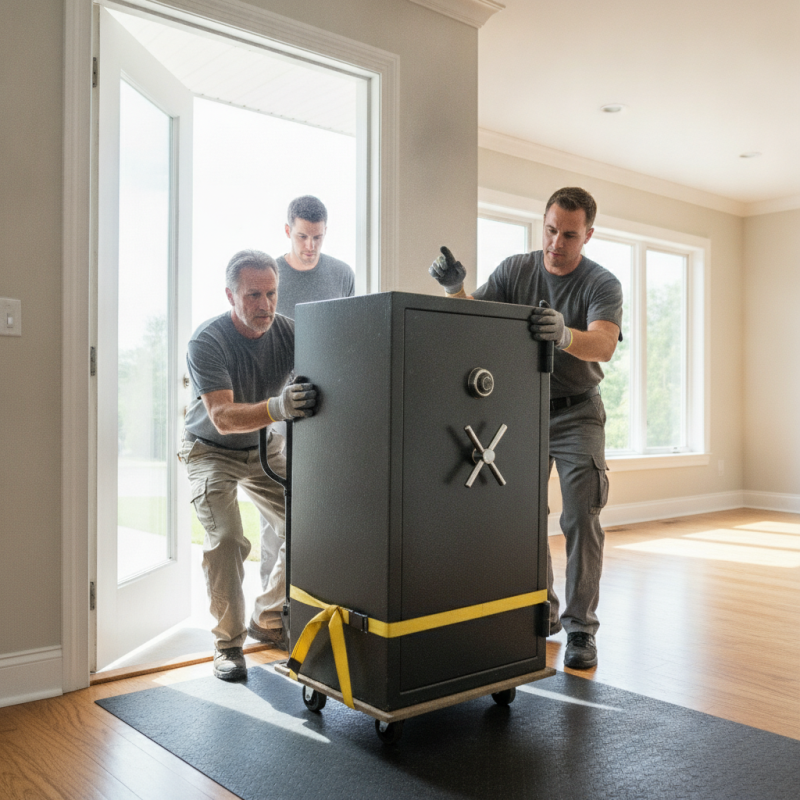
When relocating a heavy gun safe, understanding its weight and size is crucial. These safes can weigh hundreds of pounds and may require special handling. To manage this, you should know the exact dimensions and weight before attempting to move it. This knowledge empowers you to plan your move effectively.
Consider using a quality dolly designed for heavy items. A sturdy dolly can support most gun safes and make the move smoother. Position the dolly close to the safe and tilt it back gently to lift. Enlist a few trusted friends to assist. Having extra hands not only makes the job easier but ensures safety during the lift.
Be aware that narrow doorways or tight corners might pose challenges. Measure your safe and the spaces beforehand. This pre-planning can prevent accidents and damage. If the safe is exceptionally large or heavy, professional movers with experience in relocating heavy items might be the best option. They have the tools and expertise necessary to navigate difficult situations safely.
: Essential tools include a dolly, straps, and padded blankets. Each helps protect the safe and its surroundings.
Assess the weight and size first. Gather necessary tools and determine how many helpers you need.
At least four people are advised to minimize injury risk and prevent damage during the move.
Bend your knees and keep your back straight. This method helps prevent injuries during lifting.
Use high-quality straps to secure it to the dolly and padding to cushion against shocks in the vehicle.
Always double-check the load for stability and potential movement. This ensures safe transportation.
Clear communication helps everyone know their roles. It prevents confusion and minimizes the risk of accidents.
It's okay to ask for professional help. Recognizing your limits is important for safety.
Haste can lead to mistakes. Take breaks if needed; prioritize your safety over speed.
Be mindful of furniture and uneven flooring, as these can create obstacles. Keeping your eyes on the path is critical.
Moving a heavy gun safe requires careful planning and execution to ensure safety and efficiency. Understanding the weight and size of your gun safe is crucial, as it dictates the equipment and tools necessary for the move. Essential items include dollies, straps, and protective padding to facilitate a smooth transition. It is equally important to prepare the locations by clearing pathways and ensuring there is adequate space for maneuvering.
When considering how to transport a heavy gun safe during a move, employing appropriate techniques is key. Lifting methods should include using legs rather than back to avoid injury, and team effort is often necessary to manage the weight. Finally, securing the safe during transportation is vital to prevent damage; this can be achieved through proper strapping and cushioning. By following these guidelines, you can successfully relocate your gun safe with minimal risk and hassle.
