RVault Box
Resetting a hotel safe master code is a controlled security procedure, not a quick button sequence. It should be handled only by authorized hotel management, trained maintenance staff, or the safe manufacturer’s service team. The exact process depends on the safe model, firmware, emergency override policy, and documented ownership.
Hotel security consultant Chris McGoey has emphasized a practical principle: “Security starts with controlling access, not merely changing codes.” That idea matters here. Before any reset, staff should verify the safe’s serial number, confirm guest status, record management approval, and secure the room or service area. A small logbook, a sealed service envelope, and a second staff witness can prevent serious misunderstandings.
This guide explains How to reset a hotel safe master code safely without exposing sensitive override details. It focuses on authorized procedures, manufacturer documentation, and responsible recordkeeping. Never guess a master sequence. Never reuse a code from another property. Never test an unfamiliar override while a guest’s valuables remain inside.
A reset may not be the best first step. Sometimes the problem involves depleted batteries, a locked keypad, a failed solenoid, or incorrect user instructions. These details are easy to overlook. I have seen simple battery faults mistaken for code failures, causing unnecessary service calls and avoidable delays.
The safest approach is patient and traceable. Follow the model-specific manual, contact verified technical support, and preserve every service record. If the safe remains inaccessible, stop experimenting and escalate the issue through the hotel’s approved security chain.
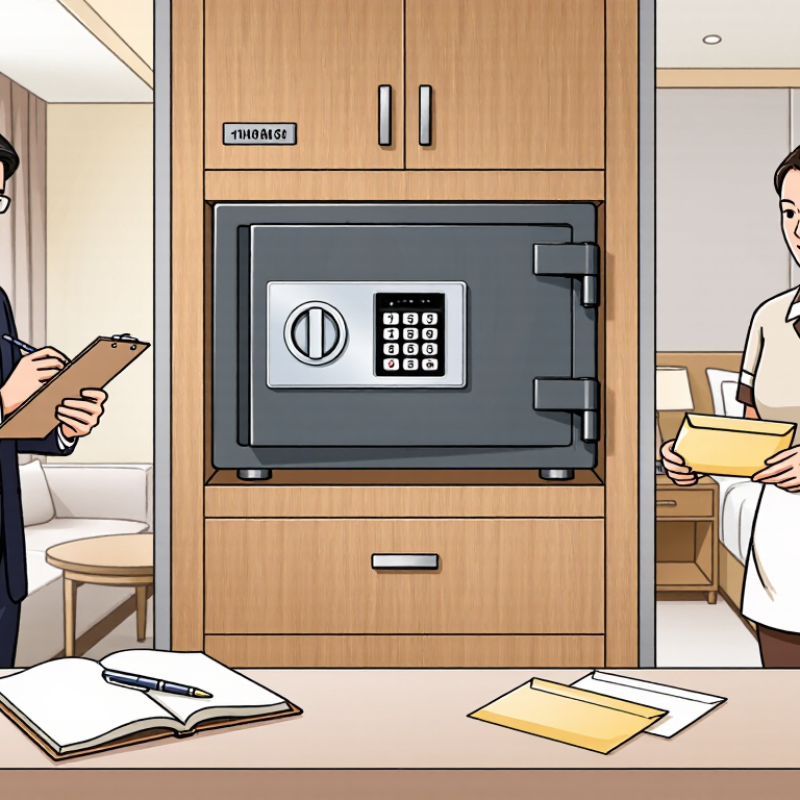
Verify authorization before touching the safe. Only an owner, manager, or approved security technician should request a master-code reset. Record the request in writing, including the room number, safe location, requester, and reason. Confirm the person’s identity through an established internal process. A verbal request alone is not enough.
Identify the exact safe model before taking action. Check the label inside the door, behind the battery cover, or on the rear service panel. Note the keypad layout, lock type, power source, and visible model number. Do not guess from appearance. Similar hotel safes may use different reset procedures, and an incorrect sequence can disable the unit or erase useful audit records. Keep the door open during authorized service when possible. Protect guest belongings, and never test codes on an occupied safe without management approval.
Use the model’s official service documentation or contact the authorized technical channel. Avoid online instructions that promise universal override codes. They may be outdated, incomplete, or unsafe. A second staff member should verify the model and authorization. Even experienced technicians can misread a small label in dim lighting. That detail matters. Document the new configuration, test normal operation, and secure the record separately from guest access codes. Review the process afterward; a reset that works technically may still reveal weak authorization controls.
How to Reset a Hotel Safe Master Code Safely?
Prepare the safe before changing any code. Remove guest property and keep the door open during the procedure. Confirm the safe has stable battery power and record its model and serial number. Never guess a master sequence. Safe designs differ, and an incorrect attempt may trigger a lockout. Follow the official service manual exactly, including the required door position, keypad timing, and confirmation signal. The 2024 Verizon Data Breach Investigations Report found that the human element appeared in 68% of breaches. That finding is not specific to hotel safes, but it supports careful handling of access credentials.
Use only an authorized reset process. A supervisor should verify the operator’s identity before the master code changes. Enter the new code privately, then test it with the door still open. Test the old code afterward, if the manual permits it. Store the new code in a controlled record, not on a paper label near the safe. If the sequence fails, stop. Repeated attempts can create a longer lockout or damage the keypad. Contact qualified service support when the manual is missing, the safe is sealed, or the override key is unavailable.
Tips: Use fresh batteries. Keep fingers dry. Shield the keypad from cameras and nearby guests. Log the date, operator, and result. NIST guidance on digital authentication also emphasizes unique secrets and controlled access. My practical caution is simple: rushing feels efficient, but it often creates a second problem. A reset should be slow enough to verify, yet brief enough to protect privacy.
How to Reset a Hotel Safe Master Code Safely?
Resetting a hotel safe master code requires authorization, privacy, and careful documentation. Only trained security or maintenance staff should perform this task. Never guess a code or test random combinations. That can trigger a lockout or damage the safe. Follow the official service procedure for the exact safe model, because reset methods differ widely.
Enter the authorized master code in a private room, away from guests, cameras, and open corridors. Keep the keypad shielded while entering it. Do not write the code on a visible checklist or send it through ordinary messages. A second authorized employee can verify the work without seeing the code. Record the date, safe location, technician, and result, but store the code in an approved secure system. Test the reset with the door open. Check the latch, keypad response, and emergency override separately. Small details matter.
Tips: Confirm written authorization before starting. Keep the guest away from the safe during testing. Use fresh batteries if the keypad behaves inconsistently. Contact the property’s approved service provider when the procedure is unclear. Do not force the door or remove the lock. In practice, staff sometimes focus on changing the code and forget privacy controls. That is a mistake worth correcting. Safety includes the code, the room, the records, and the person nearby.
Use this authorized reset workflow to keep the master code private. Every checkpoint should be completed before testing the new configuration.
Resetting a hotel safe master code requires authorization, patience, and accurate documentation. Only a designated security manager or trained technician should perform the change. Before touching the keypad, confirm the safe model, service instructions, and current access approval. Never rely on an old code found in an unverified note. Slow down.
Create a replacement master code that is unique, difficult to guess, and unrelated to room numbers, dates, or staff details. Avoid repeated digits and simple patterns. Keep the code private. Record it in an approved secure system, not on a loose paper near the safe. Use two-person verification when hotel policy requires it. This small control can prevent serious mistakes.
After programming the new code, test it with the safe door open. Enter the code carefully, confirm the lock responds, and check that the door closes and opens normally. Repeat the test without forcing the handle. Then remove the previous code from authorized records and update the access log. In practice, confirmation is where errors often appear. A single mistyped digit can create confusion later. If the result differs from the manufacturer’s documented process, stop and request qualified support. Do not experiment with repeated attempts. Security procedures are rarely improved by guessing. Review the record afterward, because even experienced staff can overlook an entry or misread a keypad response.
Resetting a hotel safe master code should be treated as a controlled security task, not a quick keypad change. Use the approved service procedure and verify authorization before touching the safe. Record the room number, safe serial number, technician, date, and reason for the reset. Never write the new code on the safe, service cart, or a shared notice.
Test it carefully. With the safe empty, enter the new master code, lock the door, and confirm the bolt engages. Test the code again after opening the door with the authorized emergency method. Keep a second staff member present as a witness.
It sounds excessive. It prevents confusion during a late-night lockout. The 2024 Verizon Data Breach Investigations Report found that human involvement appeared in 68% of breaches. A poorly controlled code can create similar operational exposure, even when no digital system is involved.
Access must remain limited. Store the code in a restricted, auditable system, and provide it only to trained security or maintenance managers. Remove access when employees change roles or leave.
The 2024 IBM Cost of a Data Breach Report placed the global average breach cost at 4.88 million dollars, although it does not measure hotel-safe incidents directly. That distinction matters. Do not overstate the data.
Review access logs monthly, and rotate the code after suspected disclosure. A better process is rarely perfect; missed documentation or an incomplete test should trigger a review, not silence.
Only an owner, manager, or approved security technician should request it. A verbal request is insufficient. Record the requester, room, location, and reason.
Confirm identity through the hotel’s established internal process. Use written approval where required. A second staff member should verify the request.
Check the label inside the door, battery cover, or rear service panel. Note the model number, keypad layout, lock type, and power source. Do not rely on appearance.
Use official service documentation or an authorized technical channel. Avoid supposed universal override codes. They may be outdated or unsafe.
Choose a unique code unrelated to room numbers, dates, or staff details. Avoid repeated digits and simple patterns. Keep it private.
Keep the door open during authorized testing when possible. Use an empty safe. Confirm the bolt engages and the door opens normally. Never force the handle.
Store it in a restricted, auditable system. Do not write it on the safe, service cart, or loose paper. Limit access to trained personnel.
Record the room number, safe serial number, technician, date, reason, and test result. Remove the previous code from approved records. Small omissions matter.
Stop immediately and request qualified support. Do not guess or repeat random attempts. A technically successful reset can still reveal weak controls.
Review access logs regularly and remove access after role changes or departures. Rotate the code after suspected disclosure. The process will not be perfect. Missed documentation should trigger a review, not silence.
How to reset a hotel safe master code should begin with authorization, careful identification of the safe model, and access to the correct official reset instructions. Only trained and authorized hotel personnel should perform this task. Before starting, confirm that the safe is in a suitable state, secure the surrounding area, and follow the manufacturer’s approved procedure without attempting to bypass security features. The existing master code should be entered discreetly and never shared with guests or unauthorized staff.
After the reset, create a strong replacement code that does not use obvious numbers, room details, or easily guessed patterns. Enter it carefully, confirm that it works, and test the safe several times while keeping the door open when appropriate. Record the change securely, limit access to designated personnel, and update internal procedures if necessary. Any failed reset, lockout, or unusual behavior should be handled through authorized technical support rather than improvised methods.
