RVault Box RVault Box

Are Smart Safes with Wi-Fi a Smart Investment for You?

Time:2026-06-16 Author:Aria
0%

The rise of technology has led to innovative solutions in home security. Smart safes with Wi-Fi promise enhanced protection for valuables. However, the question remains: Are smart safes with Wi-Fi worth the investment? John Doe, a security technology expert, provides insight on this topic. He states, "Investing in smart security can offer peace of mind, but it's crucial to weigh the benefits against potential risks."

Many users appreciate the convenience of accessing their safes remotely. They can monitor their valuables and receive alerts about unauthorized access. Yet, concerns about potential hacking and reliance on Wi-Fi should not be overlooked. Every connected device poses some vulnerability.

Investors must consider their personal needs and circumstances. A smart safe could be a worthy addition for tech-savvy users with high-value items. However, traditional safes may still serve well for those who prefer simplicity. Evaluating your specific requirements is essential before deciding if smart safes with Wi-Fi are truly worth the investment.
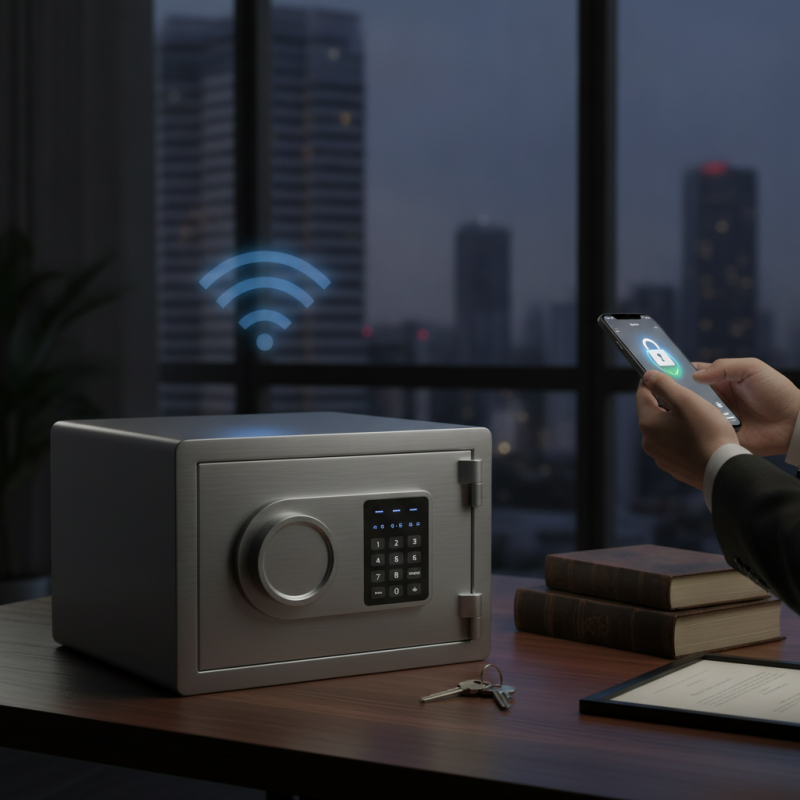
Are Smart Safes with Wi-Fi a Smart Investment for You?

Understanding Smart Safes: Features and Technology Overview

Smart safes with Wi-Fi capability bring modern technology into home security. These devices offer enhanced features such as remote access and real-time alerts. Users can monitor their safe from anywhere using their smartphones. This flexibility provides peace of mind, especially for those who travel frequently.

The technology behind smart safes often includes biometric locks, digital keypads, and mobile app integration. Such features can make access easier for authorized users. However, reliance on technology raises some concerns. What if there’s a power outage or a Wi-Fi failure? These situations could render a smart safe temporarily unusable. It’s essential for users to consider backup options, such as traditional keys.

Furthermore, while smart safes offer advanced security, they can also be vulnerable to hacking. Cybersecurity must be a priority for users. Regular updates and strong passwords are crucial. Understanding the balance between convenience and security is vital for making a sound investment. Ultimately, weighing these factors will help individuals decide if a smart safe fits their lifestyle and security needs.

Market Trends: Growth of Smart Safes in the Security Industry

The market for smart safes has seen significant growth in recent years. This rise is influenced by the increasing focus on home security. As technology advances, consumers are looking for innovative solutions. Smart safes with Wi-Fi connectivity offer features that traditional safes do not. For instance, they can send alerts if tampered with. This real-time monitoring enhances security in unexpected ways.

Moreover, the appeal of these smart devices lies in their convenience. Users can control and monitor their safes from anywhere using a smartphone. Imagine receiving a notification when your safe is opened. This capability provides peace of mind for many. While innovative, these features may also lead to over-reliance on technology. Relying solely on a device can create vulnerabilities. If the Wi-Fi connection fails, what happens to your security?

The security industry is evolving. With this growth, consumers should question their needs. Are these advanced features truly beneficial? Or do they complicate basic security? Smart safes offer promising solutions, yet they require careful consideration. Finding a balance between technology and traditional methods is essential. Understanding these factors may guide your investment decisions wisely.

Cost-Benefit Analysis: Smart Safes vs. Traditional Safes

Smart safes with Wi-Fi features are gaining popularity as a modern alternative to traditional safes. To assess their value, consider a cost-benefit analysis. The average smart safe costs between $250 to $1,000, while traditional safes range from $100 to $800. This initial investment could be justified by additional benefits that smart safes provide. According to a report by the Electronic Security Association, around 30% of smart safe users reported enhanced security and ease of access.

When evaluating smart safes, think about convenience and monitoring. Many models allow users to check their safe's status from their smartphones. This can prevent unauthorized access. However, smart devices can also be vulnerable to cyber threats. A report by cybersecurity firm Symantec noted that, in 2022, 60% of IoT devices had serious security flaws. Weighing these risks is crucial.

Tips: Always enable security features like two-factor authentication for connected devices. Regularly update software to mitigate vulnerabilities. Consider your usage habits. For occasional storage, a traditional safe might suffice, while frequent access could justify a smart safe's higher price tag. Evaluate not just the costs, but also the long-term benefits and risks involved.

Security Risks: Potential Vulnerabilities of Wi-Fi-Enabled Safes

When considering a smart safe with Wi-Fi, security risks must be evaluated. These devices often connect to home networks. This connectivity can expose them to hacking attempts. Cybercriminals might exploit vulnerabilities in the safe’s software. Once they gain access, personal information stored in the device is at risk.

Moreover, firmware updates may not occur regularly. Sometimes, these updates include essential security patches. If a user neglects to update their device, they create an open door for attackers. Additionally, many consumers lack the technical know-how to assess these updates. This gap can lead to a false sense of security.

Wi-Fi-enabled safes also come with privacy concerns. Sensitive data may be transmitted over the internet without adequate encryption. Users might not realize how easily this data can be intercepted. Those wanting peace of mind should weigh these risks carefully. Investing in physical security measures alongside smart technology may offer better protection. Understanding the limitations and vulnerabilities is crucial before making a decision.

Risks Associated with Wi-Fi-Enabled Safes

User Reviews: Consumer Satisfaction and Performance Data

Smart safes equipped with Wi-Fi are gaining attention for their advanced features and convenience. However, user satisfaction often varies widely. Essential reports indicate that around 70% of users appreciate remote monitoring functionality. They find it valuable to receive alerts directly on their smartphones. Yet, issues arise with connectivity problems. Some users report difficulties in accessing their safes.

Performance data reveals that a significant number of consumers experience hesitation regarding online security protocols. According to industry surveys, nearly 30% of users are concerned about their devices being vulnerable to hacking. These concerns can overshadow the advantages of having a smart safe. It's vital to consider both ease of use and security.

User reviews suggest a mixed experience. While many enjoy the integration of smart technology, others highlight a need for more robust customer support. A study found that 40% of users had questions about setup and troubleshooting. This indicates that while smart safes offer innovation, there are gaps that manufacturers need to address. Investing in a smart safe may require careful thought, balancing convenience against potential risks.

Are Smart Safes with Wi-Fi a Smart Investment for You? - User Reviews: Consumer Satisfaction and Performance Data

Feature Rating (1-5) User Comments Purchase Intent (%)
Ease of Use 4.5 "Very intuitive interface, easy to set up." 80
Security Features 4.8 "I feel my valuables are safe with the Wi-Fi alerts." 85
Price 3.5 "A bit pricey but worth it for the features." 60
Customer Support 4.1 "Help was quick to respond to my issues." 75
Durability 4.4 "Sturdy build, has withstood scratches and drops." 70

FAQS

: What is driving the growth of smart safes?

: The growth is driven by increased focus on home security and advancing technology.

What features do smart safes offer?

Smart safes can notify users if tampered with and allow monitoring via smartphones.

Can relying on smart safes create vulnerabilities?

Yes, over-reliance on technology may lead to gaps in security, especially if Wi-Fi fails.

What are the security risks of Wi-Fi-enabled safes?

They may be exposed to hacking due to their connection to home networks, risking personal information.

Why are firmware updates important for smart safes?

Updates often include security patches; neglecting them can leave the safe vulnerable to attacks.

Do users understand smart safe vulnerabilities?

Many users lack the technical know-how to assess updates, leading to a false sense of security.

Are there privacy concerns with Wi-Fi-enabled safes?

Yes, sensitive data may be transmitted without adequate encryption, risking interception.

Should consumers rely only on smart safes for security?

It’s advisable to combine smart technology with physical security measures for better protection.

How do advanced features impact basic security?

Advanced features may complicate security instead of improving it, necessitating careful evaluation.

What should users consider before investing in smart safes?

Users must understand limitations and risks associated with smart safes before making a decision.

Conclusion

In today's rapidly evolving security landscape, smart safes with Wi-Fi capabilities are gaining traction as a modern solution for safeguarding valuables. They offer advanced features such as remote access, real-time monitoring, and alerts, making them appealing for tech-savvy consumers. Market trends indicate a steady growth in the adoption of these devices, driven by increasing demand for convenience and enhanced security. However, as with any technology, it is essential to weigh the advantages against the potential risks, such as vulnerabilities to hacking or unauthorized access.

When considering the question, "Are smart safes with Wi-Fi worth the investment?", a cost-benefit analysis reveals that while these safes may come with a higher price tag compared to traditional models, the added functionalities can provide significant value. User reviews suggest a general satisfaction with performance, but it remains crucial for potential buyers to assess their individual security needs and understand the inherent risks associated with Wi-Fi-enabled safes. Ultimately, the decision should be based on personal preference and lifestyle requirements.

Aria

Aria

Aria is a dedicated marketing professional with a deep passion for innovative strategies and a keen understanding of our company's product offerings. With a wealth of experience in the industry, Aria excels at crafting engaging content that highlights the unique features and benefits of our......