RVault Box
When it comes to home security, hiding valuable items is crucial. According to a recent study by the Security Industry Association, 66% of burglars look for easily accessible safes. This raises the question, "Where is the best place to hide a safe at home?" Expert security consultant Mark Jenkins emphasizes the importance of stealth. He states, "A safe should be hidden where no one would think to look. Think creatively."
Optimal hiding spots can dramatically reduce the risk of theft. Popular locations include behind false walls or inside closets. Creative options, such as placing a safe in a basement under floorboards, make it harder for intruders to locate. However, even the most discreet spots have potential pitfalls. Ceilings can be risky; they are often obvious and hard to access.
Selecting a hiding place requires careful consideration. Choose areas that are less frequented by family members. Remember, the goal is to balance accessibility for yourself and obscurity from potential thieves. The right location can effectively protect your valuables, but no hiding method is foolproof. Always evaluate how hidden is too hidden, as practicality needs to coexist with security.
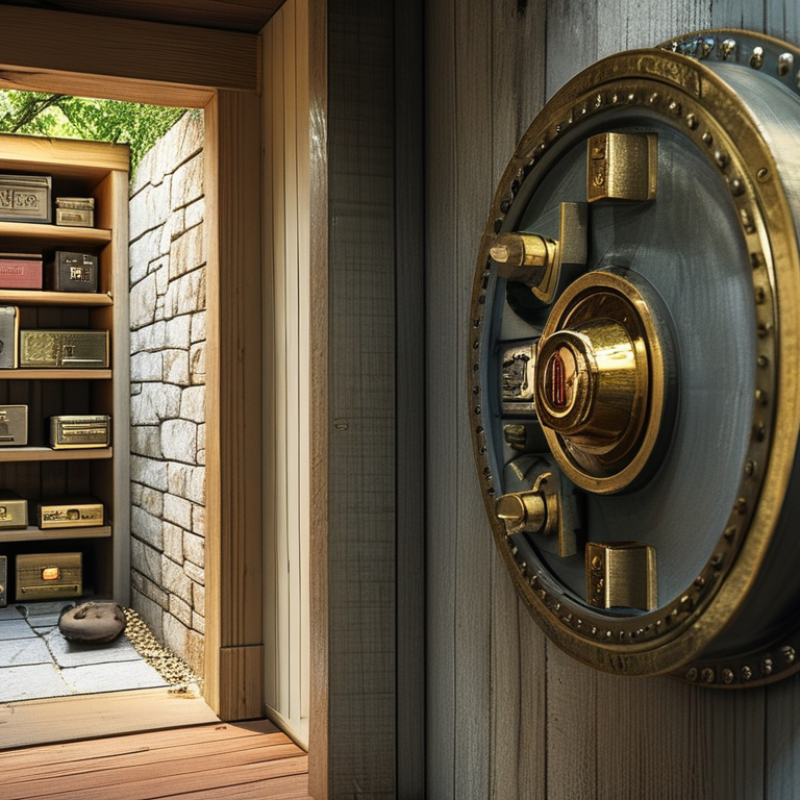
Choosing the right location for your safe in the home is crucial for security. According to a report by the Electronic Security Association, approximately 30% of all burglaries occur through an unlocked door or window. This statistic highlights the importance of not only having a safe but also positioning it wisely. It’s essential to find a discreet spot that is not easily visible to intruders. A hidden location can deter thieves and protect your valuables.
Basements or attics can provide excellent hiding spots, as they are often less frequented areas. However, if you opt for these locations, consider the potential risks. For instance, basements can be prone to flooding, which may damage your safe and its contents. The National Fire Protection Association reports that fires can happen unexpectedly, so placing a safe in a fire-resistant area is vital.
Underneath floorboards or behind false walls are other clever options, though they come with challenges. Accessibility may become an issue in an emergency. Additionally, remember that heavy safes require sturdy support. A weak structure can result in damage, rendering your safe useless when needed the most. Balancing security with accessibility remains a continual process. Regularly reassess your home layout and make adjustments as necessary.
Hiding a safe at home can be a challenge, but with creativity and household items, you can enhance its security. One effective method is disguising it as a household object. For example, an old bookshelf is perfect. You can place the safe behind some books, making it blend into the environment. Use thick volumes or decorative items to obscure the safe's presence.
Another approach involves using common furniture. An armchair or a desk with a hidden compartment can effectively conceal a safe. You can keep it out of sight and still accessible. Using a faux wall or a panel can also provide extra protection. This method might take time to set up, but it’s worth considering.
Finally, consider disguising your safe as an appliance like a microwave or an air fryer. These items are often overlooked and can blend seamlessly with your kitchen decor. Getting creative means thinking outside the box. Sometimes, the simplest solutions are the best. The aim is to ensure your safe is not only hidden but also protected from prying eyes.
Hiding a safe in your home can enhance security. Utilizing concealed spaces is an effective method. Many homeowners overlook potential hiding spots. Basements, attics, and behind furniture can serve as excellent locations. The FBI reports that a burglary occurs every 25.7 seconds in the U.S., highlighting the need for secure storage solutions.
Consider the use of false walls or cabinets to disguise a safe. These can be made to look like ordinary furniture. Reports show that homes with visible security measures are less likely to be targeted. Even innovative designs, like hidden compartments in staircases, can deter intruders. Some homeowners forget to think outside the box, leading to missed opportunities for secure storage.
Remember, safety doesn’t just come from the lock on your safe. It involves creativity in concealment. Incorporating artwork or plants can further obscure a safe’s location. Be cautious though, as over-concealment can raise suspicion. Regularly reviewing these hidden spots can prevent accidental discoveries. Prioritize safety while remaining mindful of functionality and accessibility.
| Tip | Description | Location Ideas | Pros | Cons |
|---|---|---|---|---|
| Use Hidden Compartments | Integrate the safe into existing furniture. | Under a drawer in a desk | Discreet and clever. | Requires modifications to furniture. |
| Wall Installations | Install the safe within a wall cavity. | Behind a removable panel or artwork | Very secure and difficult to locate. | May cause damage to the wall if moved. |
| Basement Storage | Place the safe in an unusual location in the basement. | In a storage box or on a high shelf | Low traffic area, less suspicion. | May be difficult to access in emergencies. |
| Garden or Outdoor Areas | Camouflage the safe outdoors. | Buried in the garden or inside a fake rock | Very hidden, blends with environment. | Risk of weather damage. |
| Underfloor Safe | Install the safe beneath the flooring. | Underneath a carpet or tile | Completely out of sight. | Difficult to access and install. |
When installing a hidden safe at home, it's crucial to enhance security measures to protect your valuables. Statistics indicate that approximately 2.5 million home burglaries occur annually in the U.S., underscoring the importance of concealed safes. A well-hidden safe can deter intruders, but optimal security practices make a significant difference.
One effective tip is to choose a location that blends seamlessly with your home. Consider placing your safe behind a false wall or in a less-frequented room, like a basement or attic. This reduces the chance of discovery. Experts suggest using wall-mounted safes that do not attract attention.
Moreover, reinforce your safe with a high-quality lock and consider alarms specific to safe security. Reports reveal that homes with alarm systems are 300% less likely to be broken into. Regularly test and maintain these systems. Keep in mind that even a hidden safe is vulnerable if it’s not adequately protected. Secure it to wall studs and utilize mechanical or electronic locks to boost defenses.
When it comes to hiding a safe at home, the security and location should be regularly reviewed. Frequent checks can reveal vulnerabilities. For instance, you might overlook that a family member has learned its whereabouts. This can undermine your efforts to keep it concealed.
Consider the area around your safe. Is it easily accessible? Look for any signs of disturbance or unusual activity. Keeping your safe in a hidden yet accessible spot is vital. However, remember that even the best-suited location can become less secure over time.
Evaluate your safe’s locking mechanism regularly. Are there any signs of wear? Ensuring that your safe functions well prevents mishaps. Additionally, revisiting your hiding strategies can help you adapt to changes in your household. Engage family members in discussions about safety without revealing specifics. This can strengthen your home's overall security without compromising your safe’s location.
: The location affects security. A discreet spot can deter thieves and protect valuables.
Basements, attics, and behind furniture are excellent options. Consider concealed spaces for extra security.
Yes, basements can flood, damaging the safe and its contents. Assess risks before choosing this location.
Use false walls or cabinets that resemble ordinary furniture. This makes it harder for intruders to spot the safe.
Review the safe’s location, locking mechanism, and accessibility. Frequent checks reveal vulnerabilities and maintain security.
Yes, incorporating artwork or plants can obscure a safe's location. However, avoid over-concealment which may raise suspicion.
Family members may learn the safe's location, undermining security. Engage them in safety discussions without revealing details.
They require sturdy support. A weak structure can lead to damage, especially in hiding spots like false walls.
Regular reassessment is key. Changes in household dynamics might require adapting your approach to hiding your safe.
They often overlook potential hiding spots or fail to think creatively. This can lead to missed opportunities for secure storage.
When considering "Where is the best place to hide a safe at home," several strategies can enhance security while maintaining secrecy. First, choosing the right location is crucial; opt for less trafficked areas of your home, such as basements or attics, away from prying eyes. Disguising the safe with common household items, like mounting it behind furniture or inside a fake appliance, can also deter intruders.
Utilizing concealed spaces, such as inside walls or under floorboards, adds an additional layer of protection. Implementing security measures, such as hidden locking mechanisms and alarms, ensures that your safe remains secure. Finally, regularly reviewing your safe's security and location is vital to adapting any changes in your home environment or evolving security threats, ensuring that your valuables stay protected.
