RVault Box
Maintaining your gun safe is crucial. Proper care extends the life of your weapons and accessories. One key issue is moisture, which can lead to mold growth and damage. Statistics show that nearly 50% of gun owners face moisture-related problems in their safes. This doesn't just affect the aesthetic quality; it can also impact the functionality of firearms.
How to prevent moisture and mold inside a gun safe requires understanding the environment where the safe is stored. The ideal humidity level is around 30% to 50%. Yet, many gun safes are placed in areas like basements or garages, where humidity is typically higher. A dehumidifier or silica gel packs can be effective solutions. However, some users may overlook these preventive measures until they see signs of damage.
Taking proactive steps is essential. Regular inspections can help identify potential issues before they worsen. Not all gun safes come with adequate moisture protection. It’s advisable to choose those that have built-in features for humidity control. By understanding how to maintain the integrity of a gun safe, owners can ensure their investment remains secure and functional.
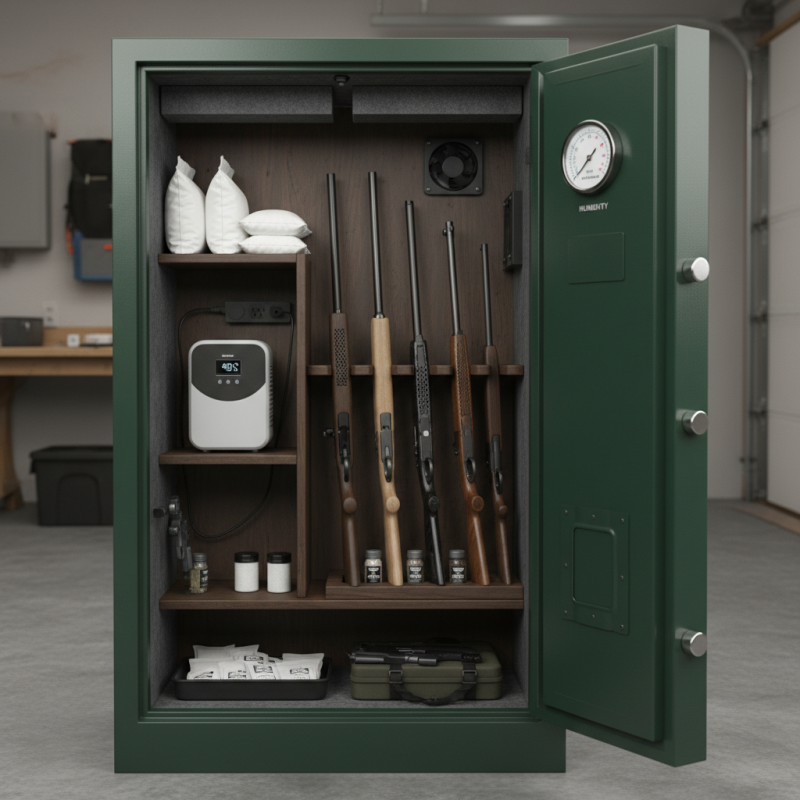
When selecting a location for your gun safe, consider the environment carefully. Aim for a room that maintains a stable temperature. Extreme temperature changes can contribute to moisture buildup. Avoid placing your safe in basements or areas prone to flooding. Elevating the safe can minimize water risks.
Good ventilation is essential. Ensure that the room has proper airflow to reduce humidity levels. Use a dehumidifier in damp climates. It can help keep the air dry and minimize moisture. Placing your safe near windows or vents can also facilitate airflow. However, avoid direct sunlight, as it can heat the safe unnecessarily.
Consider the flooring type under your safe. Concrete floors can retain moisture. Using a wooden or raised platform can prevent this. Regularly check the area for leaks or dampness. Even a small amount of water can lead to mold growth. It's vital to reassess your safe's location periodically. Take note of any humidity changes in the room. A proactive approach will help in preventing damage to your firearms and important items.
Ventilation in a gun safe is crucial for preventing moisture buildup. Proper airflow reduces humidity, which can lead to mold growth. Mold not only damages firearms but can also compromise their functionality. A gun safe that lacks ventilation can trap moisture, especially in humid environments. Ensuring good circulation is essential.
Using silica gel packs can help absorb excess moisture. These small packages can be placed strategically in the safe. However, they may not be enough alone. Consider installing a small, battery-operated fan to enhance airflow. This can further minimize humidity and maintain a dry environment. Regularly check the safe for signs of moisture or mildew.
Many forget simple checks, leading to long-term issues. Inspecting seals and gaskets is often overlooked. Ensure they are intact and not trapping moisture inside. Ventilation requires continuous attention. Small steps can prevent bigger problems later. Don't underestimate the impact of a well-ventilated safe. Your investment deserves protection.
Maintaining optimal humidity levels in your gun safe is crucial for preventing moisture and mold. Excess humidity can lead to rust and degradation of your firearms. Consider using a hygrometer to monitor your safe's humidity levels. This simple device provides real-time data, allowing you to act quickly when conditions change.
One effective tip is to use desiccants. Silica gel packets can absorb moisture from the air. Place them in corners of your safe for maximum effectiveness. Replacing or regenerating the desiccants regularly ensures they remain effective.
Another method involves incorporating a dehumidifier. Small, battery-operated units are available and can significantly reduce humidity levels. However, remember that these require periodic maintenance and monitoring. Keep an eye on their functionality to ensure they operate efficiently.
Avoid overcrowding your safe. Too many items can trap moisture, leading to decay. Instead, space your firearms adequately to allow for air circulation. Regularly check for signs of mold or dampness, as catching issues early can save your collection.
Moisture control is crucial for maintaining a gun safe. Utilizing desiccants and dehumidifiers can significantly reduce the risk of mold and corrosion. A study by the National Institute of Health shows that high humidity levels, above 60%, can lead to mold growth on firearms. This data highlights the necessity of monitoring humidity indoors.
Desiccants, like silica gel, absorb moisture from the air. They are a cost-effective solution for small spaces. Place them in your safe to keep humidity levels down. Monitor them regularly, as they need to be replaced or recharged. On the other hand, electric dehumidifiers are more efficient for larger safes. Some models can control humidity automatically, providing consistent air quality.
Despite these tools, human error can still lead to issues. Regularly inspecting your gun safe is essential. Make sure seals are intact and there are no obvious leaks. A surprising 30% of gun owners neglect this routine maintenance. This oversight can expose firearms to damage, making it critical to stay vigilant in safeguarding your collection.
Maintaining the condition of a gun safe is crucial for preserving firearms. Regular inspections help identify potential moisture issues before they escalate. The National Firearms Act suggests that humidity levels in a safe should remain between 30% and 50%. Keeping within this range prevents rust and mold.
Utilizing desiccants can effectively combat moisture. Silica gel or other absorbent materials help maintain appropriate humidity levels. Periodically replace these items to maximize efficiency. A recent study indicated that 30% of gun owners reported issues with moisture, highlighting the importance of diligence.
In addition to moisture control, routine checks on seals and hinges are vital. Worn-out seals can allow humidity to penetrate, while poorly functioning hinges pose security risks. Schedule inspections at least quarterly. Use a flashlight to check for signs of mold or excess moisture. This proactive approach can save significant repair costs and maintain the integrity of your weapons. Engaging with fellow enthusiasts on forums can further enhance your knowledge of best practices in gun safe maintenance.
: Ventilation prevents moisture buildup, reducing humidity. This helps avoid mold growth that can damage firearms.
Use silica gel packs to absorb excess moisture. Install a small fan for better airflow.
Regular checks are essential. Inspect your safe at least quarterly for any signs of moisture or mildew.
Humidity levels should stay between 30% and 50%. This helps prevent rust and mold on firearms.
Regularly check seals, hinges, and replace desiccants. Look for signs of moisture during inspections.
Silica gel packs help but may not be enough. Enhanced airflow with a fan is recommended for better results.
Poor ventilation can lead to moisture issues, causing mold and potentially affecting firearm functionality.
Address mold immediately. Clean affected areas and improve airflow to prevent recurrence.
Check for wear and tear. Intact seals keep moisture out and maintain a proper environment.
Yes, forums provide valuable insights. Learning from others can improve your maintenance practices.
In order to effectively address the question of how to prevent moisture and mold inside a gun safe, proper placement of the safe is crucial. Selecting a location that avoids high humidity areas, such as basements or near water sources, can significantly reduce the risk of moisture accumulation. Additionally, understanding the importance of ventilation helps maintain airflow within the safe, further diminishing humidity levels.
Implementing effective humidity control measures is also essential. Utilizing desiccants and dehumidifiers can absorb excess moisture, creating a dry environment conducive to preserving firearms. Regular maintenance and inspections should not be overlooked; checking for signs of mold or moisture buildup can help identify issues before they escalate. By following these strategies, gun owners can ensure their safes remain in optimal condition and free from damaging mold and moisture.
