RVault Box
When considering how to bolt a safe to a concrete floor, ensuring its stability and security is paramount. According to a 2022 industry study, over 30% of burglaries involve forced entry, underscoring the necessity for effective anchoring solutions. Properly bolting a safe can significantly deter such criminal activities, making it an essential step for homeowners and businesses alike.
Choosing the right materials is crucial. Use high-quality anchors designed for concrete, as they provide optimal security. According to a report by the National Institute of Standards and Technology, incorrect installation can lead to compromised safety. Statistics show that poorly secured safes are more likely to be successfully breached. Therefore, careful consideration of the tools and techniques used is vital.
Engaging with professionals in the industry can enhance safety measures significantly. Their expertise may reveal common pitfalls, such as inadequate fastening or incorrect placement. Remember, the goal is not just to bolt a safe, but to ensure it withstands various threats. Implementing these tips can lead to a more secure environment for your valuables.
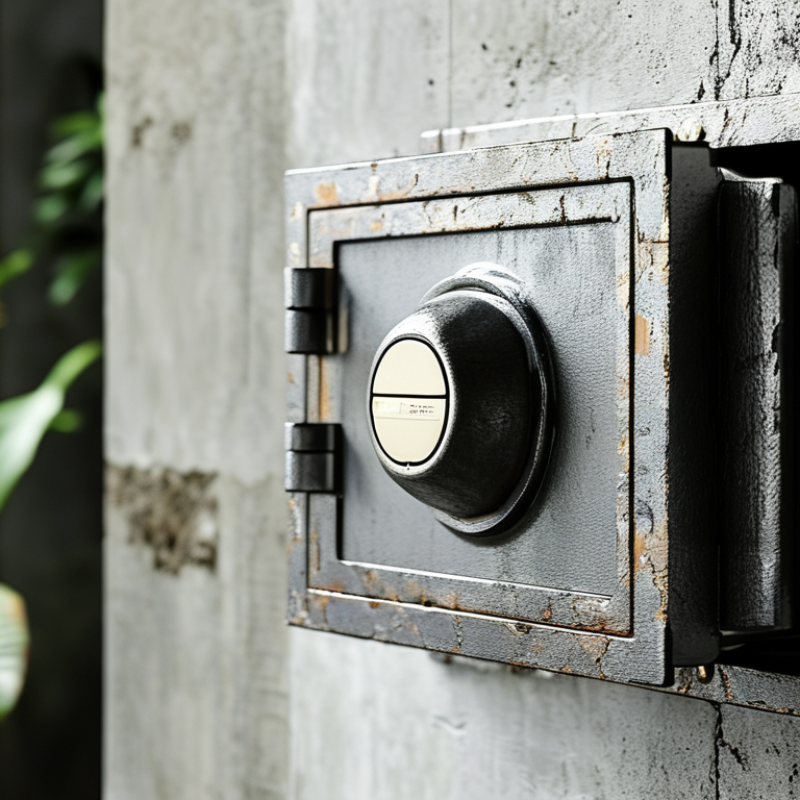
Choosing the right location for your safe installation is crucial for optimal security. Look for areas with minimal foot traffic. This reduces the chances of someone noticing the safe. Additionally, hidden corners or behind furniture can make the safe less visible.
Consider accessibility as well. The safe should be easy to access but hard to spot. Avoid placing it in damp areas. Moisture can damage items inside the safe. Think about how natural light hits certain spots. Avoid bright areas; instead, seek dark spots that deter casual observation.
Lighting and visibility play vital roles. A concealed safe can’t protect valuables if found easily. Take your time to evaluate potential locations. Reflect on how the space functions daily. This will help balance security with practicality. Ensure no obstacles hinder access during emergencies.
| Tip Number | Tip Description | Recommended Tools |
|---|---|---|
| 1 | Choose a location that is discreet and secure. | N/A |
| 2 | Ensure the concrete is thick enough to support the safe. | Measuring Tape |
| 3 | Check for nearby electrical wiring or plumbing. | Stud Finder |
| 4 | Select a level surface to prevent shifting. | Level |
| 5 | Plan for sufficient access to the safe. | N/A |
| 6 | Use appropriate anchors for security. | Concrete Anchors |
| 7 | Drill holes in the concrete for anchoring. | Hammer Drill |
| 8 | Apply adhesive for extra stability. | Epoxy Adhesive |
| 9 | Double-check the alignment before final installation. | Level |
| 10 | Secure the safe with bolts after ensuring it's level. | Wrench |
When considering bolting a safe to a concrete floor, selecting the right concrete is crucial. Not all concrete floors are created equal, and certain factors can significantly influence the stability of your safe. A dense and well-cured concrete provides a solid base, making it ideal for permanent fixtures. This type of concrete can absorb stress and vibrations, offering better security for your valuables.
Inspect the concrete surface before bolting. Look for cracks or chips, as these can weaken the integrity of the bond. If the concrete seems old or poorly maintained, reconsider your choice. A freshly poured slab could be a better option, as it’s usually denser and more uniform. Test areas of the floor for any signs of weakness. A good rule of thumb? Always aim to work with concrete that shows no visible defects.
It's also essential to account for moisture levels. A humid environment can deteriorate both the safe and its fixings over time. Ensure proper sealing around the base of the safe to combat this issue. Using a sealant adds an extra layer of protection and can prolong the life of your installation. If you have concerns about your specific flooring, consulting with a structural engineer could provide valuable insights.
When installing a safe to a concrete floor, using the right tools and materials is essential. A reliable hammer drill is crucial for creating precise holes. These drills can reach depths of 4 to 7 inches, allowing secure anchoring. According to a report by the National Association of Home Builders, nearly 24% of homeowners face challenges with improper installations. Struggling with the right tools often leads to safety risks.
Additionally, heavy-duty anchors should be part of your toolkit. Expansion bolts or heavy-duty lag screws work best for concrete. They provide significant holding power, ensuring that the safe remains secure under stress. A recent study indicated that an improperly installed safe can be moved easily by individuals with minimal effort. This highlights the importance of choosing quality materials for your project.
Don’t overlook protective gear, either. Safety glasses and gloves minimize risks during installation. However, many DIY enthusiasts often bypass them in haste. It’s crucial to prioritize safety equipment. Even the most experienced installers can face mishaps. Investing time in correct installation steps can prevent regrets later. Secure your safe properly to avoid future issues.
Securing a safe to a concrete floor requires careful planning and execution. Begin by selecting the right location. Identify a space that is discreet yet easily accessible. The concrete should be solid and free of cracks. Gather your tools, including a drill, concrete anchor bolts, and a wrench. Ensure you wear protective eyewear. This step is crucial for safety.
Once you're ready, mark the spots where you'll drill holes. Use a level to align the safe perfectly. Drill holes into the concrete, making sure to follow the manufacturer's specifications for the safe size. Concrete dust can be a nuisance, so clean as you go. Inserting anchors can be tricky; ensure they fit snugly. An imperfect fit can lead to security vulnerabilities later.
After securing the safe, double-check all connections. A secure installation will help prevent theft or accidents. If you face challenges, consider seeking professional help. Reflect on the installation process. Were there moments of hesitation or mistakes? These can be learning experiences for future installations. Your safe should be a fortress, so take your time to ensure everything is secured properly.
This chart illustrates the importance of various tips for safely bolting a safe to a concrete floor, rated on a scale of 1 to 10 based on their effectiveness.
When securing a safe to a concrete floor, stability is key. A well-anchored safe offers peace of mind. Begin by selecting appropriate bolts. Heavy-duty expansion bolts are often the best choice. They provide strength and can withstand considerable force. Drilling precise holes into the concrete ensures a snug fit. Use a hammer drill for efficiency, but don't rush this step. Accurate placement is crucial for a stable hold.
After drilling, clean out any debris. This makes sure the bolts set firmly. Install the safe over the holes and insert the bolts one at a time. Tighten them carefully, checking for wobbles. A safe that rocks is not safe at all. Test your installation by applying pressure from different angles. A slight movement can indicate a need for adjustment.
Always consider accessibility versus security. A safe should be easy for you to access, yet difficult for others. Over time, check the bolts for tightness. Concrete can wear down, and shifts may occur. Regular maintenance is essential to ensure ongoing safety. Remember, a secure home begins with a well-installed safe. Little details make a big difference.
: The right location enhances security by minimizing visibility and foot traffic, reducing theft risks.
Avoid damp places. Moisture can damage contents. Bright spots should also be avoided to deter attention.
Choose a spot that is easy for you to reach. Conceal it behind furniture or in hidden corners.
You’ll need a drill, concrete anchor bolts, and a wrench. Protective eyewear is also essential.
Drill precise holes and clean debris away. Tighten bolts carefully and test for any wobbles.
Regularly check bolts for tightness. Concrete can shift and wear down over time, affecting stability.
Consider your hesitations or any mistakes. These moments can help improve future installations.
Yes, if challenges arise during installation, seeking help can ensure proper security and safety.
An imperfect fit or insecure installation can lead to vulnerabilities, making your safe less protective.
Avoid bright areas. A dark location helps to keep the safe concealed from casual observation.
Bolting a safe to a concrete floor is an essential step in securing valuable items and ensuring maximum safety. First, the right location for your safe installation should be carefully chosen, ideally in a discreet area that allows for easy access while maintaining security. Next, it’s important to select the appropriate concrete floor that is structurally sound and capable of supporting the weight of the safe.
To effectively execute the process of how to bolt a safe to a concrete floor, gather essential tools and materials, such as a hammer drill, concrete anchors, and a wrench. Following a step-by-step guide can ensure that the safe is properly fastened, maximizing stability and security. Ensure all bolts are tightened adequately and regularly check the integrity of the installation to maintain safety standards.
