RVault Box
Moving a heavy gun safe is not a routine box-moving job. Its weight can strain floors, damage doorframes, or cause a serious injury if the load shifts. How to transport a heavy gun safe during a move depends on its actual weight, shape, and route—not just the number of people available. Check the manufacturer’s manual or label, and measure doorways, hallways, and turns before moving day. Small details matter.
Empty the safe if the manufacturer recommends it, secure the door, and keep the key or combination accessible. Do not lift by the handle or hinges. Use a suitable safe-moving dolly, straps, and protective floor coverings, with equipment rated for the load. A professional mover can assess stairs, ramps, and tight landings. Ask about insurance and confirm the plan before work begins. Heavy loads are unforgiving.
A route that looks clear may still have a narrow turn or a weak floor section. That is easy to overlook. Pause and reassess if the safe tilts, the dolly feels unstable, or the crew cannot communicate clearly. Avoid improvising with furniture dollies or lifting techniques you have not practiced. Moving it slowly is not always safer; control and proper support matter more. If the move involves stairs or uncertain floor capacity, get qualified help rather than risking a rushed attempt. Even a good plan can miss something, so leave room to stop and check.
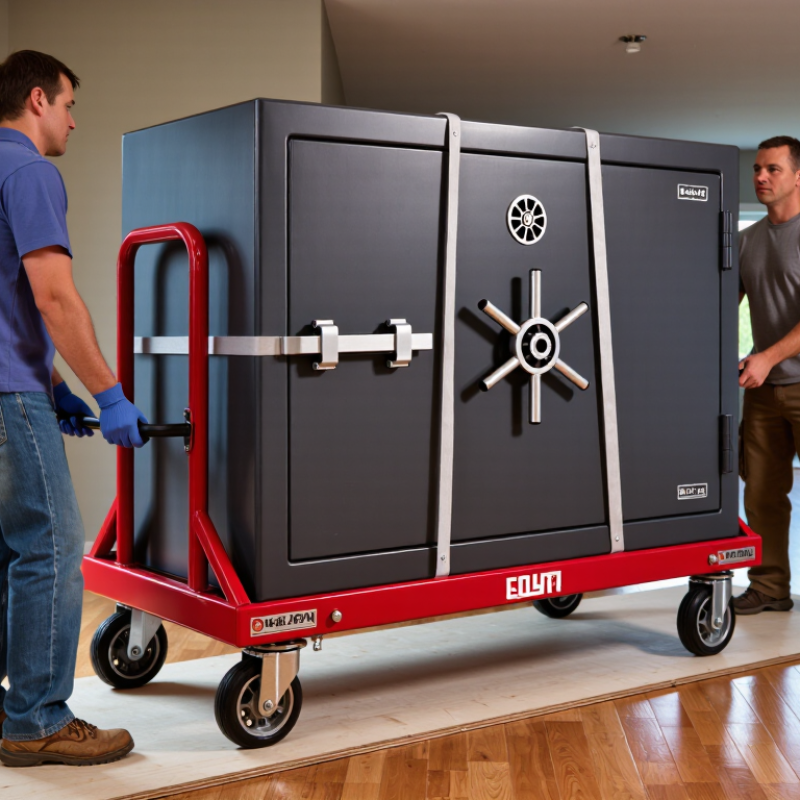
Before moving a heavy gun safe, measure its height, width, depth, and weight from reliable documentation. Check whether shelves, drawers, or the door can be removed safely. Keep the door secured; an unexpectedly swinging door can shift the load. Liberty Mutual’s 2024 Workplace Safety Index estimated that overexertion involving outside sources cost U.S. employers $12.2 billion in 2022. That figure is a reminder: a safe is not a one-person lifting job. Use a rated appliance dolly, straps, and enough trained helpers, or hire professional movers.
Walk the entire route before loading. Measure doorways and turns, inspect stairs and landings, and note thresholds, loose rugs, and sloped driveways. Protect floors with suitable panels, but do not assume plywood will support the safe without checking the floor beneath it. The Bureau of Labor Statistics recorded 2.6 million nonfatal workplace injuries and illnesses in private industry in 2023; those figures cover many hazards, not safe moves alone. Still, they reinforce the value of planning and controlled handling. Clear pets and people from the path, agree on commands, and pause if the load tilts or a wheel catches. A route can look simple on paper. It may not be. I would rather remeasure a doorway than discover the hard way that the turn is too tight.
Before moving a heavy gun safe, confirm its weight from the documentation or weigh it professionally. Measure doorways, turns, and stair landings; a few inches can change the whole route. Use a heavy-duty appliance dolly rated above the safe’s weight, plus load-rated straps and protective floor coverings. Check the dolly and straps for damage. A worn strap is not a small problem.
Recruit enough capable helpers to follow one person’s instructions, and assign clear roles before lifting. For stairs, tight turns, or an exceptionally heavy safe, hire movers experienced in safe handling rather than improvising. Keep the safe upright and secured to the dolly, move slowly, and keep hands and feet clear of pinch points. The 2023 Workplace Safety Index estimated that overexertion involving outside sources cost employers $12.8 billion in direct costs. That figure is a useful reminder: rushing a lift can have a serious price. Even with a good plan, the route may feel awkward; stop and reassess if the load shifts.
Tips: Clear pets and bystanders from the path. Agree on simple commands, such as “stop” and “lower.” Never place hands beneath the safe to steady it.
| Planning Area | Equipment or Helper | What to Check | Safe-Moving Guidance |
|---|---|---|---|
| Safe preparation | Owner’s manual and safe keys or combination | Safe weight, dimensions, handling instructions, and any removable parts | Empty the safe and secure the door as directed by its manufacturer. Do not use the door or handle as a lifting point. |
| Weight and route assessment | Floor scale or verified product specifications; tape measure | Total moving weight, doorway clearance, stair layout, turns, and truck access | Measure the safe and the complete route before moving it. Check that floors, ramps, and vehicle loading equipment are suitable for the load. |
| Moving the safe | Appliance or safe dolly rated for the load | Manufacturer’s load rating, wheel condition, straps, and brakes if fitted | Use equipment rated above the safe’s moving weight. Keep the safe secured to the dolly and follow the equipment instructions. |
| Load restraint | Heavy-duty ratchet straps and protective padding | Strap condition and working-load limit; suitable anchor points | Protect the safe’s finish and secure it against shifting during transport. Do not attach straps to weak handles or other non-rated parts. |
| Truck loading | Rated loading ramp or liftgate | Equipment capacity, surface stability, and alignment with the truck | Use only equipment with a capacity suitable for the combined load. Keep people clear of pinch points and never stand below a suspended or tipping load. |
| Personal protection | Work gloves and sturdy, closed-toe footwear | Good fit, grip, and clear footing | Wear protective footwear and gloves. Keep the route dry, clear, and well lit before starting. |
| Helpers | Adults with relevant moving experience | Ability to follow one designated leader and communicate clearly | Choose enough capable helpers for the equipment and route. There is no safe universal headcount; do not rely on people alone to lift a heavy safe. |
| Stairs or difficult access | Qualified safe movers or insured moving professionals | Experience with heavy safes, stair equipment, and the specific route | Hire professionals when stairs, tight turns, uneven ground, or limited clearance make the move difficult. Stop if the load becomes unstable. |
| Final placement | Floor-protection material and anchoring hardware, if required | Floor suitability, safe placement instructions, and compatible anchors | Place the safe on a stable surface. Follow the manufacturer’s guidance for anchoring and confirm that drilling will not damage hidden utilities. |
Before moving a heavy gun safe, remove everything inside, including documents, trays, and loose accessories. Even a few items can shift when the safe tilts. Set them aside in a labeled box so nothing is left rattling at the bottom. Small parts matter.
Take out removable shelves and drawers if the safe’s instructions allow it. Wrap each piece separately, and keep its fasteners together in a small bag. Check the interior for clips or other fittings that could come loose. It is easy to miss one when you are rushing.
Secure the door in its closed position using a suitable moving strap, following the safe maker’s guidance. Keep the strap clear of the handle, and avoid adhesive tape that could mark the finish. Do not force a stubborn lock or remove a heavy door without qualified help. A door can shift suddenly and make an already difficult move less stable. Before the safe is loaded, gently test the door and shelves for movement. If anything still rattles, pause and secure it again.
Before moving a heavy safe, check its weight and clear the route, including doorways, thresholds, and stair landings. Remove loose contents if the safe’s manual allows it, and keep the door shut and secured. Use a heavy-duty appliance dolly rated above the safe’s weight, with straps wrapped around the body—not the handle. Keep the safe upright. A tilted load can shift suddenly.
Use enough trained helpers to guide the move, while the dolly carries the load. Lift only when needed, bending your knees and keeping your back neutral. Move slowly over thresholds; pause to reset your grip rather than pulling harder. On stairs or steep ramps, stop and get professional movers with suitable equipment. No improvised heroics. Once the safe is in the vehicle, attach rated restraints to solid anchor points and tighten them until the load cannot slide or tip. Check the straps again after a short drive. It is easy to miss a little slack when everyone is tired. A spotter should watch the path and call out hazards, not try to catch a shifting safe by hand.
Before the safe leaves the truck, remove its contents, shelves, and loose accessories. Pack them separately. Keep it empty. NIOSH’s Applications Manual for the Revised NIOSH Lifting Equation uses 51 pounds as its load constant under ideal lifting conditions; reaching, twisting, and repetition reduce the recommended limit (NIOSH, 1994). A heavy safe is not a hand-lifting job. Use qualified movers and equipment rated for the load.
At the new location, check doorway clearance and floor support before lowering the safe. Sweep away grit; even a small screw can make the base rock. Keep hands clear, guide the cabinet from the sides, and lower it slowly while one person gives directions. Pause. Check that the safe sits level and does not wobble. Open the door gently to confirm it swings without shifting the cabinet. It may feel fussy, but an uneven floor is easier to address now.
Anchor the safe according to its instructions, after checking the floor or wall structure and locating hidden utilities. Choose hardware suited to the surface; don’t improvise. Reinstall shelves, then test the lock, hinges, and door seal. Record the final location and anchor details for future service. It’s easy to rush this part. Don’t.
Check the safe’s weight and measure every doorway, turn, and stair landing. Clear pets and bystanders from the path. A few inches matter.
Use a heavy-duty appliance dolly rated above the safe’s weight, plus load-rated straps and floor coverings. Check for worn straps or damaged wheels. Don’t guess.
Yes. Remove documents, trays, and loose accessories, then pack them in a labeled box. Keep the safe empty.
Remove shelves and drawers only if the instructions allow it. Wrap parts separately and keep their fasteners in a small bag. Secure the closed door with a suitable strap, clear of the handle.
Use enough capable helpers, with one person giving clear directions. Agree on simple commands like “stop” and “lower.” More hands do not automatically mean better control.
Stairs and tight turns can make the load unstable. Hire experienced safe movers rather than improvising. Stop if the safe shifts.
Check doorway clearance and floor support before lowering it. Sweep away grit or screws that could make the base rock. Lower it slowly, with hands clear.
Confirm that it sits level and does not wobble. Open the door gently and check that the cabinet stays still. It can feel fussy, but it helps catch problems early.
Follow its instructions and check the floor or wall structure for hidden utilities. Use hardware suited to the surface. Don’t improvise.
How to transport a heavy gun safe during a move begins with assessing the safe’s weight, dimensions, condition, and current contents, then checking the route for stairs, narrow doorways, uneven surfaces, and other hazards. Plan how the safe will pass through each area, and identify any risks that could affect people, floors, walls, or the safe itself. Gather suitable moving equipment, such as a rated appliance dolly, lifting straps, and protective padding, and recruit enough capable helpers to manage the move safely.
Before moving, empty the safe and secure its door, shelves, and removable parts so they cannot shift unexpectedly. Use controlled lifting techniques, keep the safe balanced, and fasten it firmly to the dolly during transport. Move slowly, communicate clearly, and pause whenever the route becomes difficult. At the destination, unload the safe with the same care, position it on a stable surface, and make sure it is secure and accessible before returning its contents.
