RVault Box RVault Box

2026 Best Guide What Not to Put in a Fireproof Safe?

Time:2026-11-22 Author:Liam
0%

A fireproof safe can protect paper records, but “fireproof” does not mean protection from every hazard. UL 72, the standard for fire-resistance ratings of record-protection equipment, evaluates safes under defined heat and time tests. Its ratings matter: a safe designed for paper may not protect digital media, medications, or every household object. NFPA’s Home Structure Fires reports provide another useful reality check. Residential fires remain a documented threat, yet a rated safe is only one part of a broader preparedness plan.

What items should never be put in a fireproof safe? The answer depends on the safe’s certification, the item, and the manufacturer’s instructions. Lithium-ion battery devices, pressurized containers, temperature-sensitive medicines, and damp papers deserve particular caution. Heat can damage batteries or medicines, while moisture trapped inside may harm documents. A small USB drive also needs media-rated protection; paper-rated performance alone is not enough. Check the product label and its tested contents before storing anything important. Keep originals you may need quickly somewhere accessible, and maintain secure backup copies when appropriate. A safe is not a magic box. That assumption deserves a second look. This guide explains practical storage choices, common misconceptions, and questions to ask before relying on a fire-resistant safe. Even careful advice has limits: safe designs differ, and no single rating covers every risk.
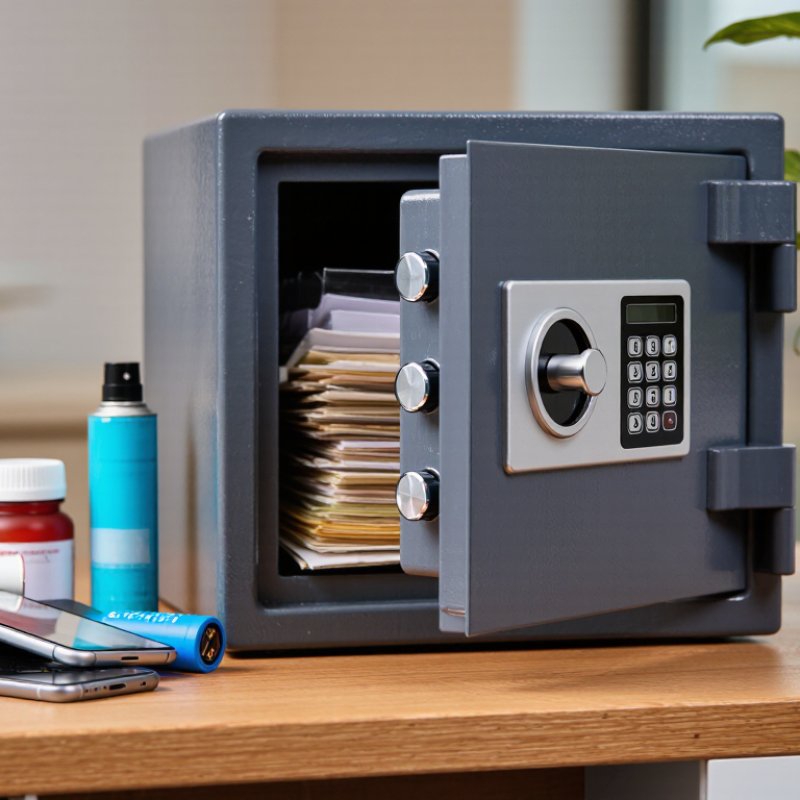
2026 Best Guide What Not to Put in a Fireproof Safe?

How Fireproof Safes Protect Belongings—and Where Their Limits Begin

A fireproof safe buys time; it does not make its contents invulnerable. Its rating reflects performance under specific test conditions, and protection varies by model, fire duration, and installation. A paper-rated safe may preserve documents while allowing temperatures that damage digital media. Check the rating and instructions before relying on it.

Think twice before storing lithium batteries, aerosol cans, fuels, or solvents inside. Heat can damage batteries or raise pressure in sealed containers, and a safe is not designed to manage every hazard. Essential medicines also may be affected by heat, while photographs and keepsakes can suffer from trapped moisture. Keep stored items dry, and follow the safe maker’s guidance on desiccants.

Digital files need special care. USB drives, external disks, and film may fail at lower temperatures than paper, so use media specifically rated for heat protection or keep a separate backup elsewhere. A safe is a compromise, not a promise. I used to assume “fireproof” meant everything inside stayed untouched; that was too simple. Check the seal, inspect for dampness, and avoid crowding the interior with items that need different conditions.

Items That Can Leak, Melt, or Become Hazardous Inside a Safe

A fireproof safe is designed to slow heat damage, not to serve as a cool, dry storage cabinet. Its interior can become hot during a fire, and protection levels vary by model and test rating. Heat-sensitive items, such as medication, photos, and some plastics, may still warp or lose quality. Check the safe’s rating and care instructions before relying on it. Not every safe protects every item.

Liquids deserve extra caution. A poorly sealed bottle can leak when moved, while heat may weaken its cap or container. Keep cleaning products, solvents, and other chemicals outside the safe; vapors can build up in a confined space, and some substances react badly with heat. Small leaks are easy to overlook. Even a damp cloth can leave moisture behind and encourage rust or mold.

Battery-powered devices also need thought. Heat can damage batteries, and a damaged lithium-ion battery may overheat or ignite. Store spare batteries in a cool, dry place, away from loose metal objects, rather than packing them beside papers and valuables. A safe’s seal may also trap moisture, so inspect stored items periodically. This is an imperfect routine, but a quick check can catch a swollen battery, sticky container, or musty smell before it causes more damage.

Documents and Media That Need Specialized Storage Conditions

A fire-resistant safe can protect paper while still exposing digital media to damaging heat.

Many household safes are tested around paper records, not the lower temperatures required for USB drives, external hard drives, memory cards, or backup tapes. That distinction matters. A device may look untouched after a fire yet fail when connected. Optical discs and photographic negatives can also warp, discolor, or lose data under heat and humidity. Check the safe’s rating and instructions for the exact media type; “fireproof” is not a universal performance promise.

Original photographs, negatives, film, and delicate certificates need stable, dry storage more than a hot, tightly sealed compartment. A safe can slow flame and water damage, but temperature swings may encourage condensation inside.

One detail is easy to miss: sealing damp items can trap moisture. Use archival-quality sleeves for photos and paper, and keep media in cases that limit dust and contact. A small humidity indicator can reveal changing conditions; desiccant helps only when checked and replaced as directed.

For irreplaceable files, keep a separate, verified backup in another location. Test it periodically on a different device.

Valuables Better Kept Outside a Fireproof Safe

A fire-rated safe is not a universal storage box. Its rating describes performance under specific test conditions, not protection from every hazard. Some models resist fire but offer limited moisture protection. Damp air can damage paper, photographs, and leather over time. I still find that easy to overlook.

Keep temperature-sensitive medicines and cosmetics in storage that follows their labels, rather than in a safe that may become hot during a fire. External hard drives, memory cards, and photo negatives also deserve special care; heat can destroy data even when an item looks intact. Use media-rated protection where needed, and keep a separate, secure backup. Delicate jewelry may be better in a dry, padded, climate-stable place, especially if it includes pearls or other heat-sensitive materials. Not every safe suits every object. For daily-use valuables, choose a secure spot that is accessible but not obvious, and check it occasionally for dampness or changing conditions. A small overlooked detail can matter.

2026 Best Guide: What Not to Put in a Fireproof Safe? — Valuables Better Kept Outside a Standard Fireproof Safe
Item or Category Why a Standard Fireproof Safe May Be Unsuitable Better Storage Approach
Loose or spare lithium-ion batteries Damaged, defective, or improperly stored lithium-ion batteries can overheat and catch fire. A safe is not a substitute for following battery storage and charging guidance. Store batteries as directed by the manufacturer in a cool, dry place away from combustible materials. Do not store damaged or swollen batteries; arrange appropriate disposal.
Gasoline, lighter fluid, and other flammable liquids Flammable liquids and their vapors create a fire hazard. A typical document safe is not designed or certified as a flammable-liquid storage cabinet. Keep only legally permitted quantities in approved, clearly labeled containers and in a suitable, well-ventilated storage location away from ignition sources.
Aerosol cans and pressurized cylinders Heat can raise pressure inside sealed containers, increasing the risk of leakage or rupture. Safe fire ratings do not make a safe suitable for pressurized products. Follow the product label and local requirements; store in a cool, ventilated location away from heat and direct sunlight.
Cleaning chemicals, solvents, and pool chemicals Some chemicals are corrosive, reactive, or hazardous when mixed. A confined safe may also make a leak harder to notice and clean up. Keep products in their original, labeled containers and follow their safety labels. Separate incompatible chemicals and use suitable storage for the specific product.
Hard drives, USB drives, memory cards, and other digital media A safe rated for paper may not keep its interior temperature or humidity within the limits required by electronic or magnetic media during a fire. Use a safe specifically rated for the type of media being protected, and keep an encrypted backup in a separate secure location.
Prescription medicines and temperature-sensitive supplies Heat and humidity can affect the stability or effectiveness of some medicines. A fire rating does not guarantee temperature-controlled storage. Follow the medicine’s labeled storage instructions. Keep essential supplies accessible and ask a pharmacist about safe storage and replacement planning.
Damp clothing, wet documents, or items with trapped moisture Moisture in a closed space can encourage mold, mildew, corrosion, or damage to paper and other stored materials. Dry items completely before storage. For important papers or metal objects, consider protective sleeves or containers appropriate to the material.
Frequently needed keys, emergency medications, or daily-use items A locked safe can delay access when an item is urgently needed, especially if the safe is difficult to reach or its access method is unavailable. Keep essential items in a secure, readily accessible place known to appropriate household members, while maintaining suitable protection from theft.

Important: “Fireproof” does not mean fire, water, or heat-proof under every condition. Ratings and protection vary by safe and by contents. Check the safe’s certification, fire duration, interior temperature limits, and any water-resistance rating; choose storage based on the item’s specific needs.

How to Choose a Safer Storage Option for Each Item

2026 Best Guide: What Not to Put in a Fireproof Safe?
How to Choose a Safer Storage Option for Each Item

A fireproof safe is not a universal storage solution. NFPA’s 2022 report estimated 374,300 home structure fires in the United States. That risk makes careful storage worthwhile, but “fireproof” does not mean protected from every temperature, duration, or flood. Check the safe’s tested rating and match it to what you’re storing. UL 72 classifications, for example, distinguish protection for paper from protection for sensitive data.

Paper records, certificates, and small valuables may suit a rated safe. Keep documents in a sealed sleeve to limit water damage from firefighting. Don’t assume photographs, USB drives, or external hard drives need the same protection. Digital media can be more heat-sensitive than paper; keep a second encrypted backup in a separate location, and check the media maker’s storage guidance. One safe can still fail.

Avoid storing medicines, cosmetics, or temperature-sensitive supplies inside a safe unless their labels permit it. Heat can damage them, even when the safe’s exterior stays intact. Keep batteries in a cool, dry place, following manufacturer instructions, rather than packing them beside paper records. A common mistake is buying the largest safe first. Choose the protection level and storage location around the items themselves; reassess when those items change.

2026 Guide: What Not to Put in a Fireproof Safe

Temperature-sensitive media may need a different safe rating from paper documents. Compare the maximum interior temperatures associated with common UL 72 fire-resistance classes.

A paper-rated Class 350 safe is designed around a higher interior temperature limit than Class 150 or Class 125 media protection. For magnetic media or computer data media, choose a safe specifically certified for the relevant class; keep batteries, aerosols, and pressurized or flammable liquids out of enclosed safes because heat can cause leakage, pressure buildup, or fire. UL class limits describe safe performance in testing, not a guarantee that every stored item will survive.

Reference: UL 72 fire-resistance classifications. Temperatures shown are class limits converted from Fahrenheit and rounded.

FAQS

Does a fire-resistant safe protect every item inside?

No. It slows heat damage, but protection varies by model and rating. Check the safe’s instructions for each item.

Can I store medication or cosmetics in a safe?

Avoid it unless the product label allows those storage conditions. Heat may damage medicine, creams, or other temperature-sensitive supplies.

Are liquids and cleaning products safe to store there?

Keep chemicals and solvents outside. A loose cap can leak, and trapped vapors or heat may create additional risks.

Where should I keep spare batteries?

Store them in a cool, dry place, away from loose metal objects. Heat can damage batteries, and a damaged battery may overheat.

Will paper protection keep USB drives and hard drives safe?

Not necessarily. Digital media may need lower temperatures than paper. Check the safe’s rating for the exact media type.

How should I store photographs and negatives?

Use archival-quality sleeves and stable, dry storage. Heat and humidity can warp or discolor them. Damp sleeves can trap moisture.

What helps prevent moisture damage inside a safe?

Check stored items periodically for dampness, rust, or musty smells. A humidity indicator may help. Desiccant needs regular checks.

Is one copy of an important digital file enough?

Keep a separate backup in another location, then test it on a different device. Backups can fail, too.

What documents may suit a rated safe?

Paper records and certificates may suit one, especially in protective sleeves. Still, firefighting water can reach stored papers.

Conclusion

A fireproof safe can help protect belongings from heat for a limited time, but its protection has clear limits. It may not prevent water damage, extreme temperatures, or harm caused by conditions inside the safe. What items should never be put in a fireproof safe? Avoid storing items that could leak, melt, release fumes, or become hazardous when heated, such as certain liquids, pressurized containers, and heat-sensitive products. These can damage other contents or create additional risks.

Important papers, photographs, and digital media may need storage designed for their specific temperature and humidity needs, since a safe suitable for paper may not protect electronic devices or data. Jewelry and other valuables may also be better kept in a secure location with appropriate insurance and convenient access, depending on their purpose. Before choosing a storage place, consider each item’s sensitivity to heat, moisture, and pressure, then select a suitable container or storage environment and check the safe’s stated protection limits.

Liam

Liam

Liam is a dedicated marketing professional with a profound expertise in the industry, where he excels at highlighting the unique advantages of our core products. With a keen understanding of market trends and consumer needs, Liam frequently updates our company’s professional blog, providing......