RVault Box
Why does my safe beep every time I open it? This question often appears after a safe begins making sharp, repeated tones during normal access. In many cases, the sound is not a serious failure. It may confirm a correct code, warn about weak batteries, or signal that the door sensor needs attention. The exact meaning depends on the safe’s brand, model, and alarm settings.
A careful inspection can reveal useful clues. Notice whether the beeping starts before the code is entered, after the lock opens, or several seconds later. Check the battery compartment for corrosion, loose contacts, or cells that feel unusually warm. A small display may show “LOW BAT,” while some models use different beep patterns instead. The owner’s manual remains the most reliable source, although manuals can be unclear or easy to misread.
This guide explains practical 2026 fixes without recommending risky force or unverified shortcuts. You will learn how to replace batteries safely, inspect the keypad, check door alignment, and identify delayed-entry alarms. Do not assume every repeated beep has the same cause. That assumption can waste time. If the safe still sounds after basic checks, contact the manufacturer or a qualified safe technician, especially when valuables are inside. I have found that careful observation often solves the problem, but guessing can make it worse. Be patient. Small details matter.
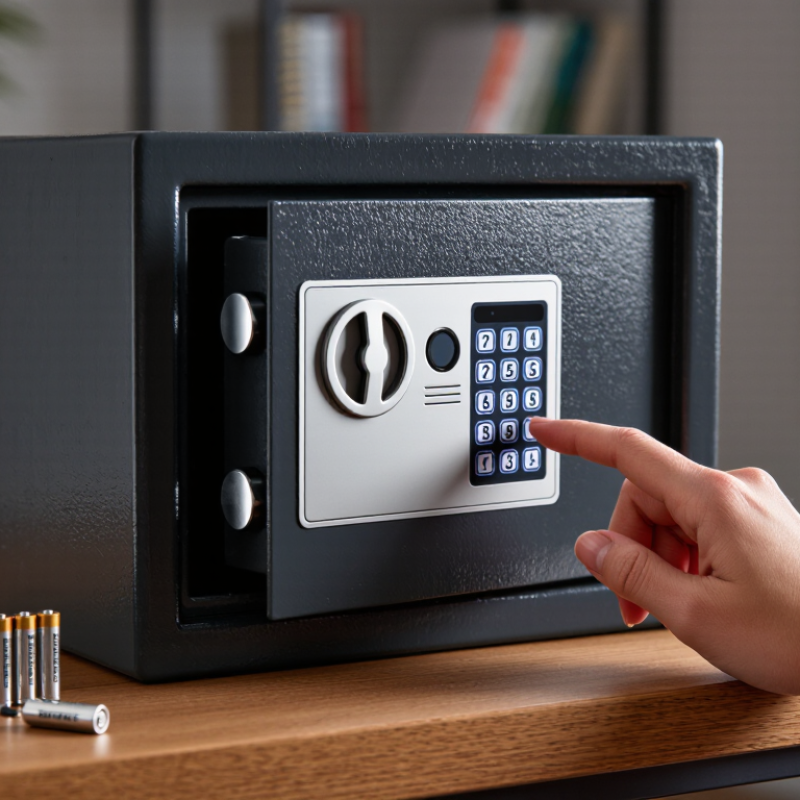
A safe may beep when opened because the sound confirms a valid code, key press, or released lock. One short beep is often normal. The pattern matters more than the volume. Repeated chirps can signal a low battery, an incorrect code attempt, or an alarm condition. Some safes beep after movement, impact, or several failed entries.
I once assumed every opening beep meant a fault. That assumption was wrong. On one unit, the sound stopped after fresh batteries were installed. Keep the door open while changing them, and check that the battery contacts are clean and firm. If the safe opens but continues beeping, inspect the display for a warning symbol and listen for a repeating rhythm. Those details can identify the problem.
Read the safe’s manual because beep codes vary between models. A continuous alarm may require a programmed code, a reset procedure, or professional service. Do not force the handle or repeatedly enter guesses; that can trigger a lockout timer. If the batteries are new and the door closes correctly, the beeping may come from a sensor or control board. Record the sound pattern and timing before requesting support. It is easy to mishear short tones, especially in a hard, echoing room.
A beep usually confirms a keypress, signals an incorrect code, warns about a low battery, or indicates a temporary lockout after repeated failed attempts. Beep patterns vary by safe model, so use this chart as a general diagnostic guide.
Beep counts shown are common reference patterns, not universal standards. If the safe keeps beeping after fresh batteries, verify that the door is fully closed, wait for any lockout period to end, and check the model’s operating instructions.
A beep during access is often normal keypad feedback. Many safes beep after each digit, then sound a longer tone when the code is accepted. A weak battery can make these sounds louder, slower, or inconsistent. Replace the batteries with the correct type listed in the user manual. Check the terminals for dust or loose contact. Small details matter.
The door sensor may also detect pressure on the locking bolts. If items press against the door, the safe can beep after unlocking. Move the contents gently, then test the handle without forcing it. Repeated incorrect entries may trigger a temporary lockout or warning tone. Wait for the stated delay before trying again.
Some models beep when an alarm setting, low-battery alert, or time-delay feature is active. The manual should identify these patterns, but manuals can be unclear. I have sometimes mistaken a low-battery warning for a code error. Record the beep pattern, timing, and keypad response before changing settings. If the safe still beeps after fresh batteries and an unobstructed door, stop repeated attempts. A qualified safe technician can inspect the sensor and electronic lock without damaging the cabinet.
A safe that beeps whenever its door opens often signals low battery voltage, not a serious fault. Start with the battery compartment, usually behind the keypad or inside the door. Use fresh batteries with the exact size and chemistry listed in the manual. Do not mix old and new cells. Check the positive and negative markings carefully. A weak battery may still light the keypad, yet fail under the motor’s heavier load.
Look for white residue, rust, loose springs, or a bent contact. Disconnect power before cleaning. A dry cotton swab can remove light dust; avoid liquid near the circuit board. If the safe uses an external adapter, inspect the cable for cuts and confirm the outlet works with another device. The U.S. Department of Energy notes that battery performance can decline in cold conditions, so a safe in a garage may beep during winter mornings. That detail is easy to miss.
Battery data also deserves attention. The Battery Council International’s 2024 industry reporting indicates that lead-battery recovery in the United States remains above 99%, but household alkaline batteries follow different disposal rules. Never throw damaged or leaking cells into ordinary storage. After replacement, open and close the door several times. If beeping continues, measure the adapter output only if you understand electrical testing. I would not guess here. A damaged keypad, sensor, or control board may be involved, and repeated resets can hide the real problem.
A safe that beeps after opening usually reports a keypad, lock, or alarm condition. Start with the batteries. Replace every cell with fresh batteries of the specified type, even if the keypad still lights. Weak voltage can trigger warning beeps and prevent the motor from retracting fully. Keep the door open while testing. Enter the code slowly, then listen for the confirmation tone.
Check the bolt path next. With the door open, turn the handle gently and confirm the bolts move without scraping. A crowded interior can press against the door and create repeated lock errors. If several incorrect codes were entered, wait through the timed lockout period. Do not force the handle. A tamper alarm may also sound after impact, movement, or repeated code attempts; use the owner’s reset sequence rather than guessing. Some models allow silent mode, but disabling every tone can hide a low-battery warning. I once treated a beep as an alarm fault, when a shifted document box was blocking the bolt.
NFPA’s 2024 U.S. Fire Department Profile reports that false alarms represent roughly two-fifths of emergency calls. That wider safety pattern matters here: investigate the signal instead of ignoring it. UL 1037 addresses antitheft locks and alarm performance, but beep patterns remain model-specific. Record the rhythm, check the manual, and contact qualified service support if the safe stays locked or the alarm returns. Never drill, pry, or repeatedly enter codes without verification.
A safe that beeps after every opening often signals a low battery, incomplete locking cycle, or sensor misalignment. Check the battery compartment first, even when the keypad still works. Weak power can trigger warning tones before complete failure. Keep the door open while testing, and confirm that the bolts move smoothly without pressure.
Reset the safe only when you have the current code and an emergency key available. Follow the instruction manual exactly; repeated incorrect entries may activate a time delay. Do not force the handle or remove the keypad. The National Fire Protection Association reported 1,504,500 U.S. fires in 2023, with approximately $29.1 billion in property damage. That broader risk data supports keeping security equipment functional, not silencing unexplained alarms (NFPA, Fire Loss in the United States, 2023).
Tips: Replace batteries as a complete set. Clean the door sensor gently. Record the reset date. Avoid guessing.
Contact a qualified safe technician when beeping continues after fresh batteries and a verified reset. Professional help is also appropriate when the door binds, the display shows an error, the alarm sounds during normal use, or the code is rejected. A technician can test the lock, wiring, and bolt alignment without damaging the container. I would not keep experimenting indefinitely; one rushed reset can complicate recovery. The Security Industry Association’s 2024 security market research also emphasizes maintaining electronic security systems through trained service and lifecycle support.
Many safes beep after each keypad entry. A longer tone often confirms an accepted code. This can be normal.
Yes. Weak batteries may still light the keypad. However, they can fail when the locking motor starts. Replace all cells with the specified type. Do not mix old and new batteries.
Check behind the keypad or inside the door. Look for dust, white residue, rust, or loose springs. Clean light dust with a dry cotton swab. Keep liquid away from the circuit board.
Pressure may be holding the locking bolts. Documents, boxes, or other contents can press against the door. Move items gently. Keep the door open while testing the handle.
The safe may activate a temporary lockout. Wait for the stated delay. Do not keep guessing. Repeated attempts can extend the warning or lockout period.
Open the door and turn the handle gently. The bolts should move smoothly without scraping. If they resist, stop applying force. A shifted box may be blocking the mechanism.
Yes. An alarm, low-battery alert, or time-delay feature may be active. Follow the manual’s reset sequence. Silent mode can hide important warnings, so use it carefully.
Note the beep rhythm, timing, keypad lights, and door response. A short beep differs from a continuous tone. I once mistook a low-battery warning for a code error. That mistake is easy to repeat.
Seek assistance if fresh batteries do not stop the beeping. Contact a technician if the safe stays locked or the alarm returns. Do not drill, pry, or repeatedly reset the unit. A careful inspection may protect the cabinet and internal lock.
If you are wondering, “Why does my safe beep every time I open it,” the sound usually indicates a normal status alert, low battery warning, incorrect code entry, delayed access, or an active alarm feature. A beep may also occur when the keypad, locking mechanism, or internal sensor detects an issue during access. Start by checking the batteries and power supply, making sure they are installed correctly and have sufficient charge. Inspect the keypad for stuck buttons, clean it gently, and enter the access code slowly and accurately.
If the beeping continues, follow the safe’s instructions to silence or reset the alarm, then test the lock without forcing the handle or door. Allow any temporary lockout period to finish before trying again. If a reset is needed, remember that some settings may return to their default state, so review the instructions carefully. When the keypad remains unresponsive, the lock will not release, or the warning sound persists after replacing the batteries, contact a qualified safe technician for safe, non-destructive assistance.
