RVault Box
When you encounter the issue of "Why is my safe handle stuck or hard to turn," it can lead to significant frustration. According to a report from the American Locksmith Association, nearly 30% of safe users experience operational difficulties within the first five years of use. This indicates that safe handle issues are not uncommon. Typical causes may include rust, wear and tear, or improper handling. As safes protect valuable items, understanding these mechanisms is essential.
Regular maintenance is crucial for ensure smooth operation. A National Lock Company survey found that 65% of lock malfunctions stem from inadequate care and neglect. For instance, lubricating the handle periodically can prevent frustrating jams. However, many users overlook this simple task. The complexities of safe mechanisms and user oversight often lead to sticky situations.
Reflect on your safe’s history. Have you moved it? Extreme temperatures can contribute to handle issues. Adverse conditions affect mechanical components, especially in older models. Recognizing these factors is key to overcoming challenges with your safe.
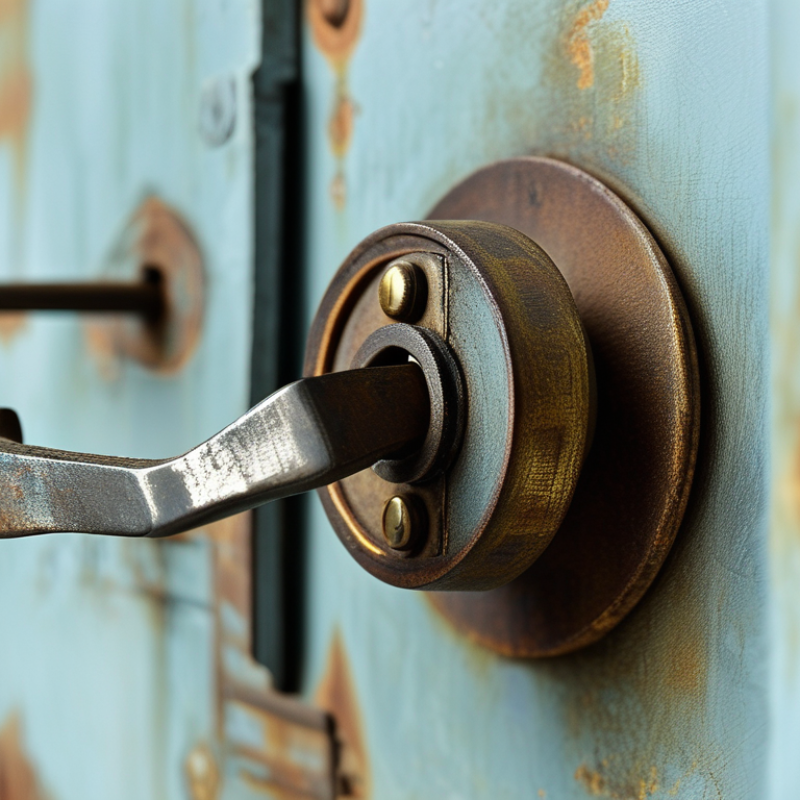
A safe handle that feels stuck or hard to turn can cause frustration. Several common reasons can contribute to this issue. One major cause is dirt or debris accumulation around the handle. A report from the Security Industry Association states that nearly 25% of safe malfunctions stem from neglecting routine maintenance. Regular cleaning can prevent this problem from worsening.
Another reason for a stuck handle could be internal mechanical issues. Over time, moving parts can wear down or misalign. According to a study by the American National Standards Institute, approximately 15% of safe-related problems are linked to mechanical failure. If you're dealing with a tricky handle, it might be time to assess the internal components or seek professional help.
Temperature changes can also affect the handle's performance. Extreme heat or cold can cause metal to expand or contract, leading to tightness. It’s essential to store your safe in a temperature-stable environment. Ignoring these factors may lead to more significant issues, making it crucial to reflect on your safe's setup.
Dust and debris can greatly impact the functionality of safe handles. When you frequently use your safe, small particles accumulate around the handle area. These particles can become trapped in the mechanism, creating resistance. Over time, this can lead to a handle that feels stiff or even gets stuck entirely. It's frustrating when a safe won't operate smoothly, especially during crucial moments.
The environment also plays a role. If your safe is in a dusty basement or a humid area, the risk is higher. Humidity can cause rusting or corrosion, which further complicates the handle's operation. Regular maintenance is essential. Cleaning the handle and the surrounding area can prevent buildup. Using a small brush or cloth can help remove dirt. However, one must be careful not to scratch the surface.
Sometimes, people overlook these details. They may assume that their handle's difficulty to turn is a major mechanical issue. But often, it's just a matter of cleaning and routine care. Neglecting these simple tasks can lead to larger problems. Regular checks and cleaning should be as routine as locking the safe itself.
Temperature changes can greatly influence the functionality of safe handles. Rapid shifts in temperature can cause materials to expand or contract. When this happens, moving parts may not align correctly. This misalignment can make it difficult to turn or even stick entirely.
Humidity also has a role to play. High moisture levels can lead to rust or corrosion in metal components. Even plastic handles can experience degradation over time. Over time, these factors contribute to the wear and tear of your safe’s locking mechanism. It's not always easy to determine which factor might be causing your handle troubles.
Frequent checks on your safe's condition can prevent issues. Consider the environment where the safe is located. Is it exposed to extreme temperature fluctuations? Simple awareness can aid in maintaining its functionality. Small adjustments, like using lubricant, might help resolve some sticking issues. However, be cautious. Overusing lubricant can lead to residue buildup and more complications.
A stuck safe handle can be frustrating. It often stems from a lack of proper maintenance. According to a report by the Safe Manufacturers Association, nearly 40% of users encounter issues due to insufficient lubrication. Regular lubrication is essential for smooth operation.
When dealing with a stuck handle, using the right lubricant can make a difference. Experts recommend using a silicone-based spray or a machine oil. These products can penetrate tight spaces, providing relief from rust and grime. Apply a small amount to the handle and mechanism. Let it sit for a few minutes before attempting to turn the handle again.
Some users report the need for frequent applications. It’s essential to strike a balance between too much and too little. Over-lubrication can lead to buildup that attracts dust and dirt. Aim to clean the area around the handle regularly. This simple step can prevent recurrent problems. Taking these precautions ensures your safe functions smoothly, enhancing both security and peace of mind.
A stuck or hard-to-turn safe handle can be frustrating. Understanding when to seek professional help is crucial. According to industry experts, roughly 15% of safe issues are serious enough to require a locksmith or technician. Recognizing the signs early can save time and money.
If your safe handle feels unusually stiff or unresponsive, take note of it. Dust and grime can build up over time, affecting the mechanism. Reports indicate that over 30% of users neglect regular maintenance, leading to more significant issues. If lubrication doesn't resolve the problem, it may indicate internal damage.
When you hear unusual sounds or feel a grinding sensation, don't ignore it. These symptoms can suggest a deeper issue within the locking mechanism. Industry surveys highlight that 40% of individuals wait too long to seek help. As a result, minor issues escalate, causing more complicated repairs. When in doubt, consulting a professional is wise. It's better to address the issue early than risk being locked out or damaging your safe further.
: Common reasons for a stuck handle include dirt buildup, mechanical issues, and temperature changes. Routine maintenance can help.
Regular cleaning is recommended to prevent dirt from causing issues. Neglecting maintenance can lead to bigger problems down the line.
Silicone-based sprays or machine oils are recommended. They penetrate tight areas effectively and reduce rust buildup.
Apply a small amount of lubricant and wait a few minutes. After that, try turning the handle again for improved performance.
If the handle is unusually stiff or unresponsive, it’s time to call for help. Experts suggest many issues require professional attention.
Grinding noises or a stiff handle can indicate damage. Address these symptoms early to avoid more significant repair costs.
Yes, extreme temperatures can cause metal expansion or contraction. Keeping your safe in a stable environment is important.
Over-lubrication may attract dust and dirt. It can lead to further complications with the handle's operation, so balance is crucial.
If you're wondering "Why is my safe handle stuck or hard to turn," there are several common factors to consider. Dust and debris can accumulate in and around the handle, causing it to jam or become difficult to operate. Additionally, temperature fluctuations may impact the materials of the safe, leading to expansion or contraction that affects the handle's functionality.
To address these issues, regular lubrication is essential. Using the appropriate lubricant can reduce friction and improve ease of use. However, if these measures do not resolve the problem, it may be time to seek professional assistance to avoid further damage and ensure the safe operates as intended.
