RVault Box
RVault Box
RVault Box
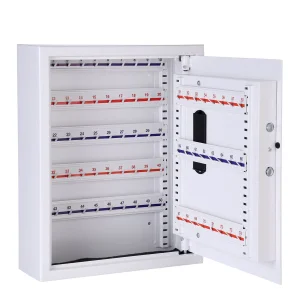
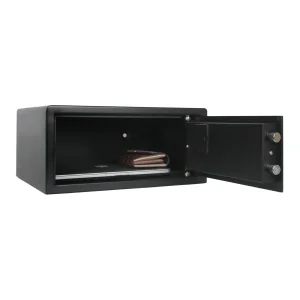
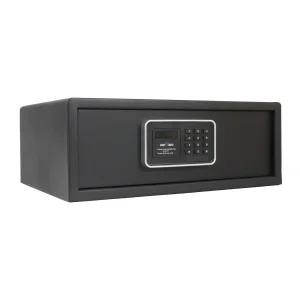
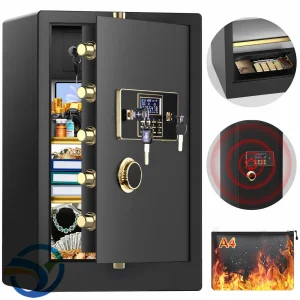
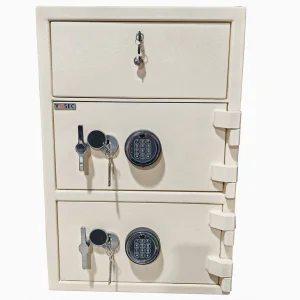
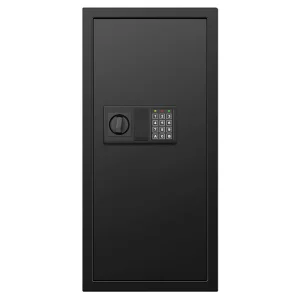
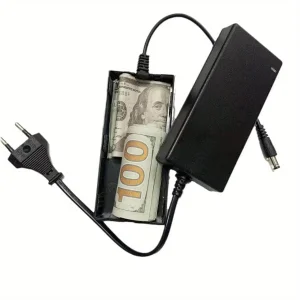
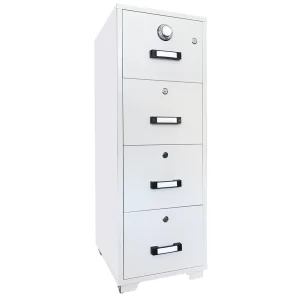
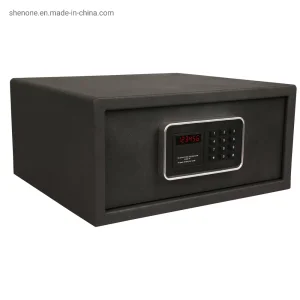
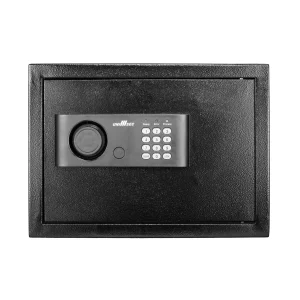
In modern physical security, an emergency safe represents the critical layer of defense when primary electronics or biometric systems experience critical failure. Whether caused by total power depletion, internal electronic disruptions, structural fire deformation, or electromagnetic interference, the primary access vector of a safe can become temporarily or permanently inoperable. This is where CE Certified Emergency Safes come into play, integrating specialized mechanical and electric override structures that bypass standard control matrices without compromising core security integrity.
A true CE-marked emergency safe does not merely include a secondary key. It undergoes rigorous testing under European security standards (such as EN 14450 or EN 1143-1) to ensure the fail-safe override systems are as secure against manipulation, picking, and localized thermal attacks as the primary locking mechanism. As security experts, we analyze these access layers through the lens of threat modeling, guaranteeing that emergency entry channels remain highly resistant to unauthorized attacks while providing immediate authorization under emergency conditions.
By coupling standard digital input codes with physical high-security override keys, these safes provide dual-layered authorization paths to withstand localized component failures.
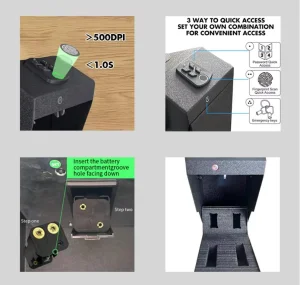
Features external micro-USB or contacts for backup batteries, ensuring electronic solenoids can be powered up even when internal batteries are completely exhausted.
Advanced commercial models retain emergency override access logs locally, mapping each mechanical lock operation to maintain corporate and commercial compliance.
China has long dominated the global market for steel security containers, but the shift towards high-end smart biometric safes and CE-certified fireproof units has redefined the industrial landscape. Sourcing from top-tier Chinese manufacturers, particularly those clustered in Hebei Province, offers structural advantages that go far beyond basic cost-efficiency.
The regional supply chain integration allows factories to source high-tensile alloy steel, advanced microchip controllers, and specialized powder-coating agents with virtually zero lead time. This cluster effect means rapid prototyping, immediate scalability for massive commercial orders, and an inherent cost advantage that is passed directly to global distributors and B2B buyers.
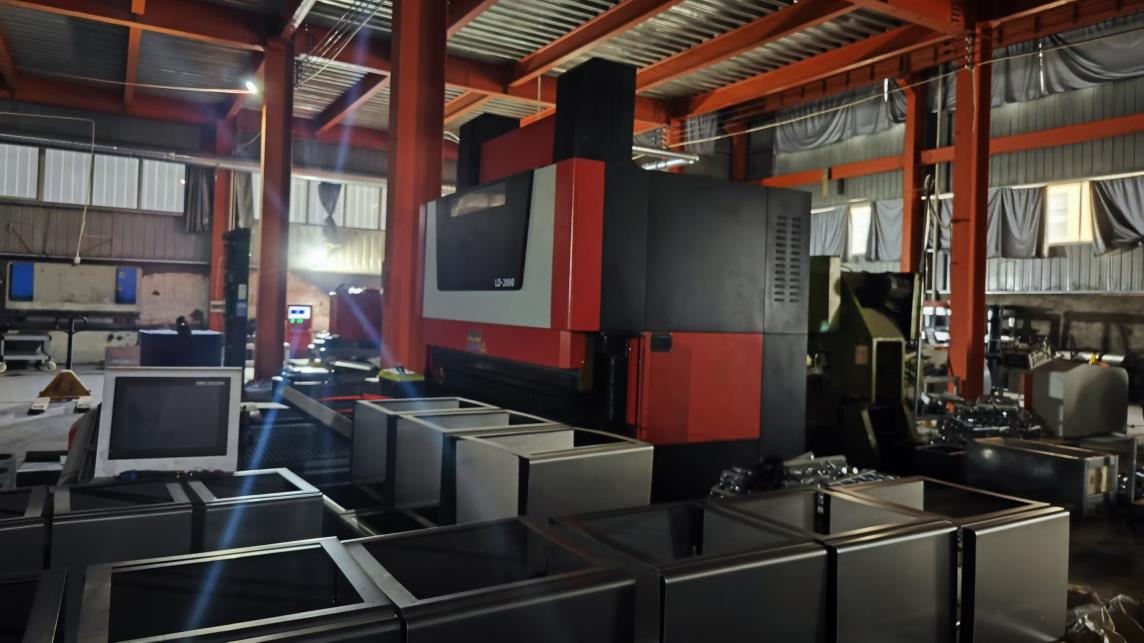
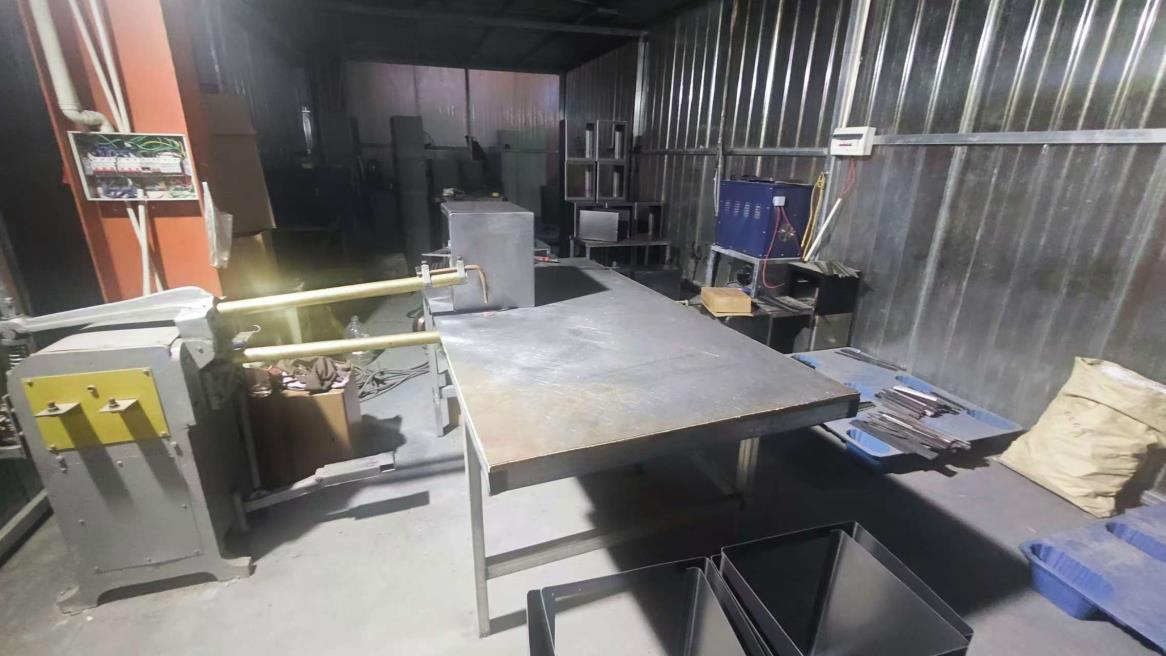
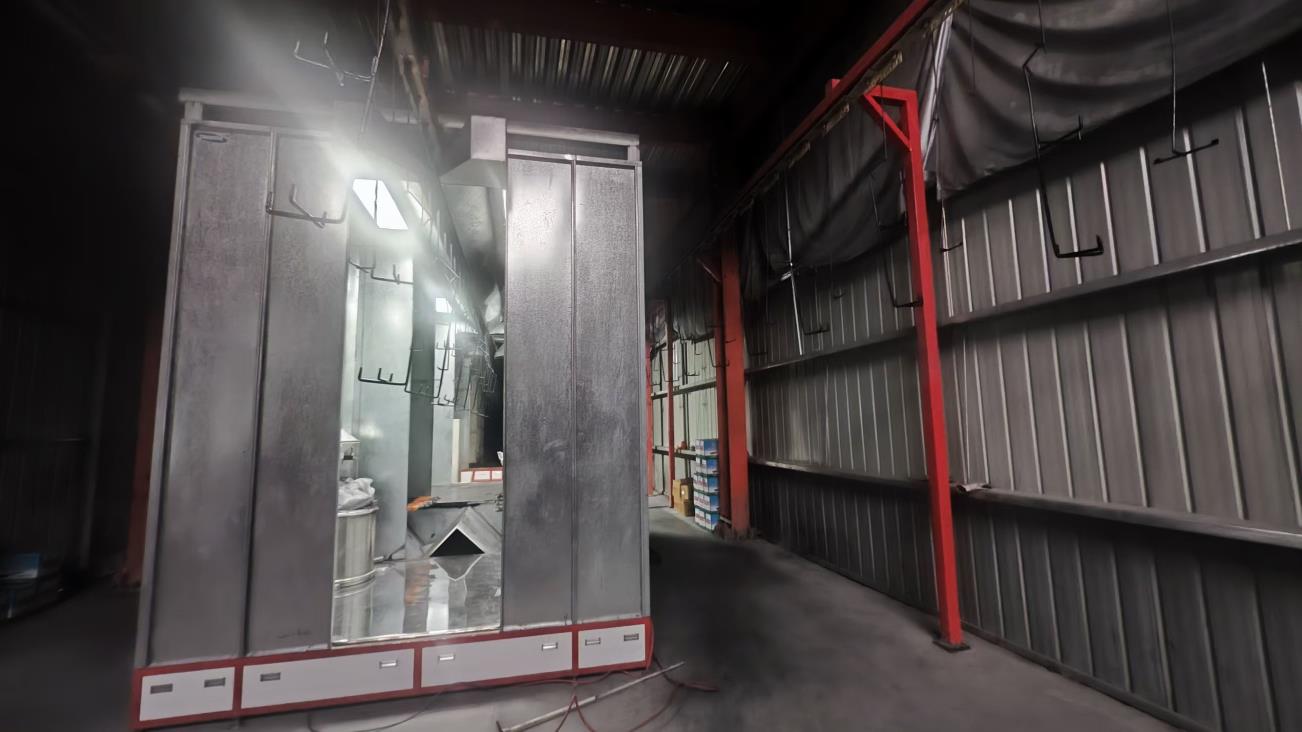
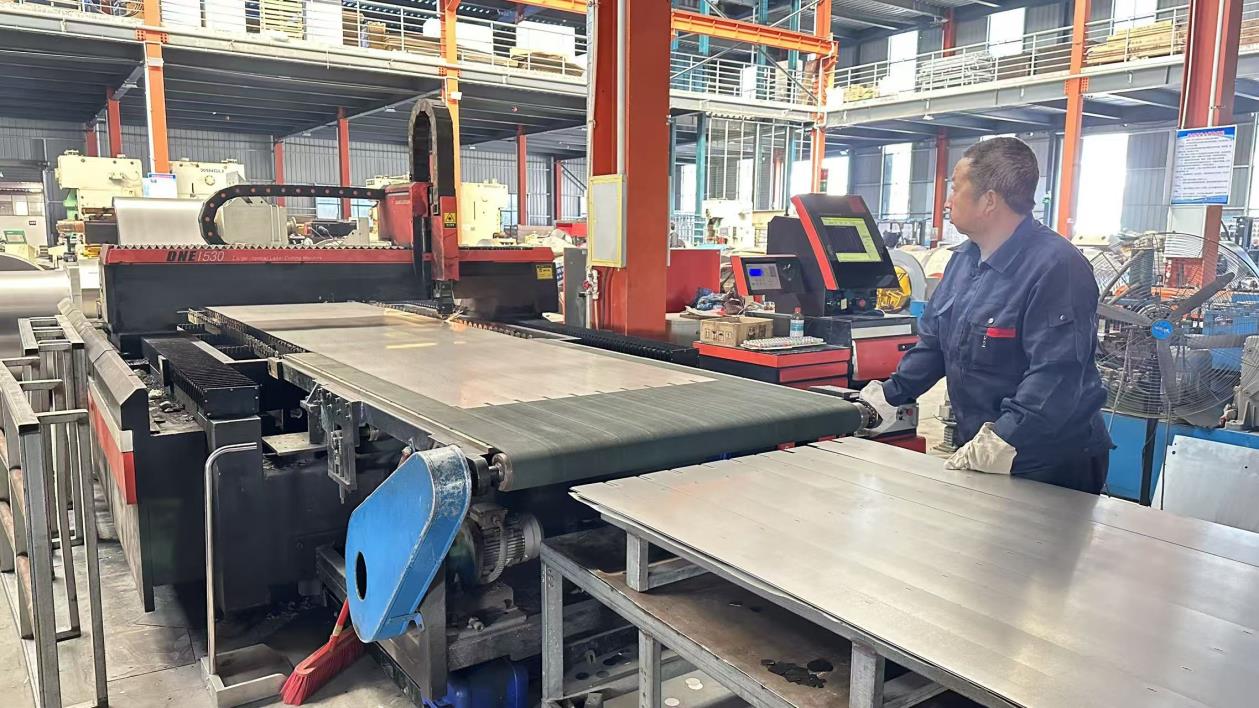
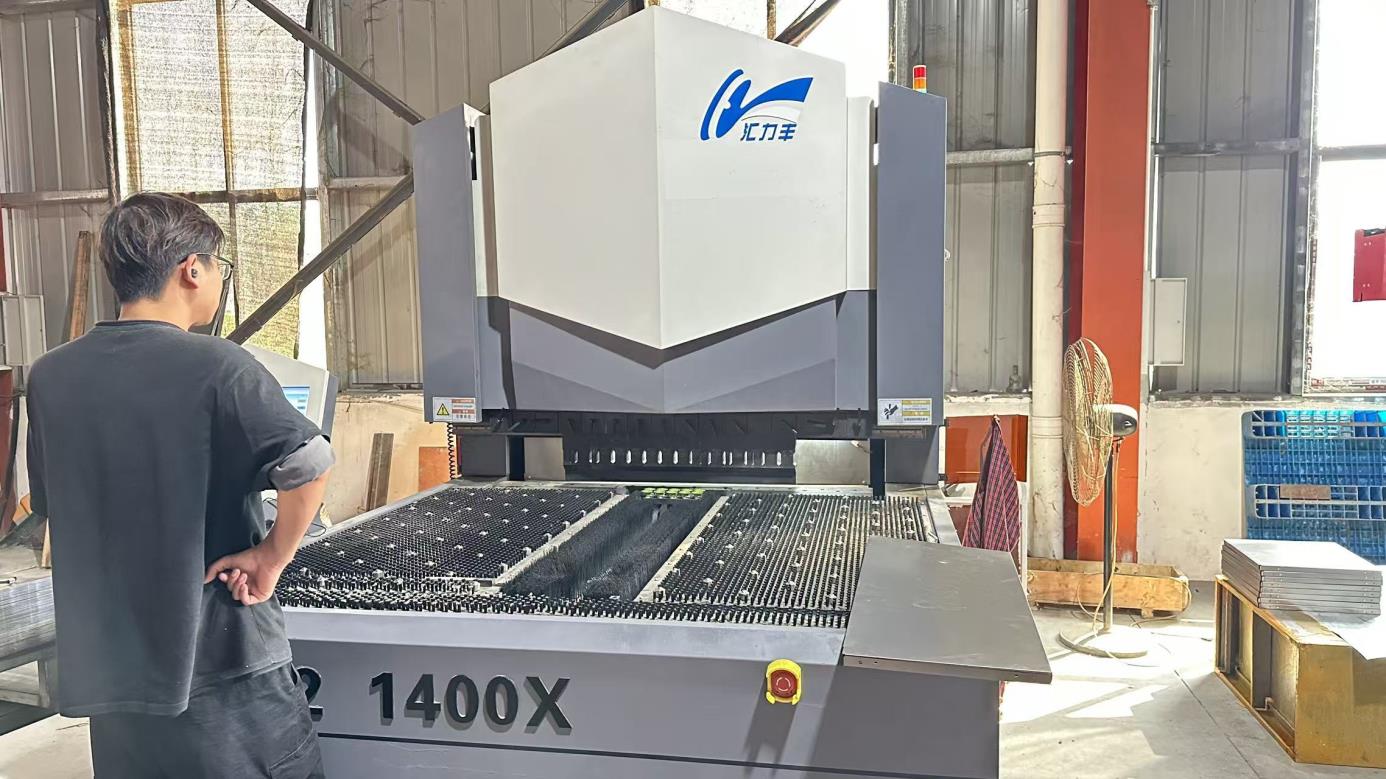
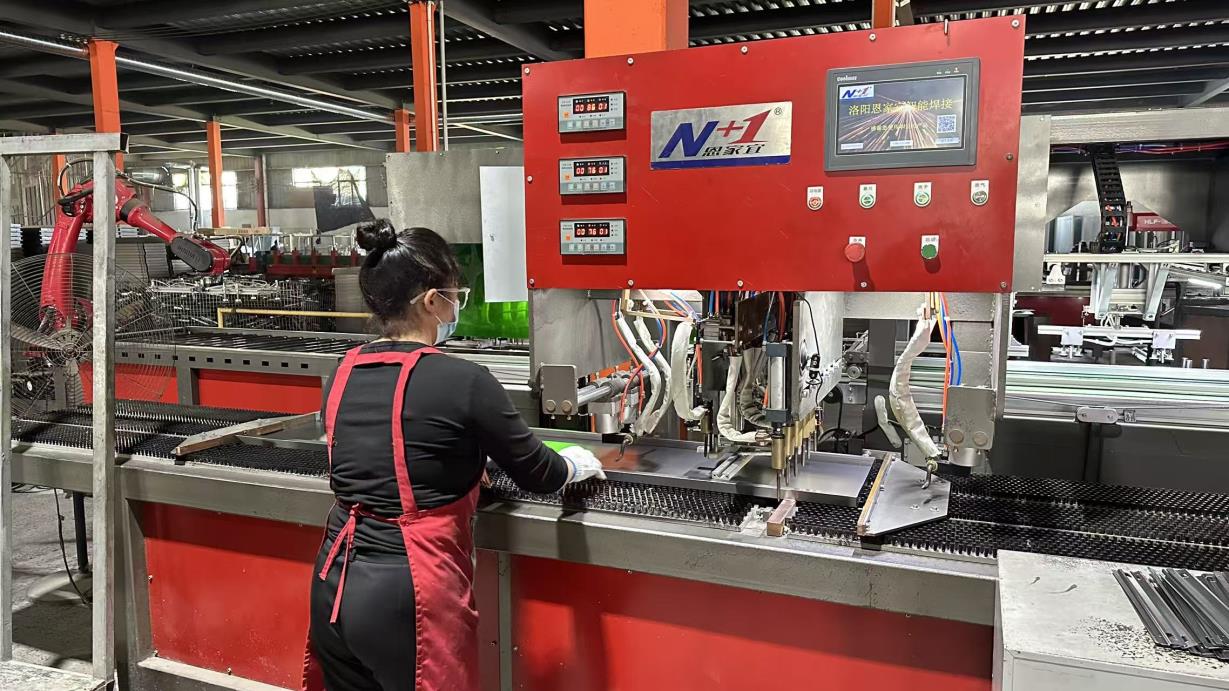
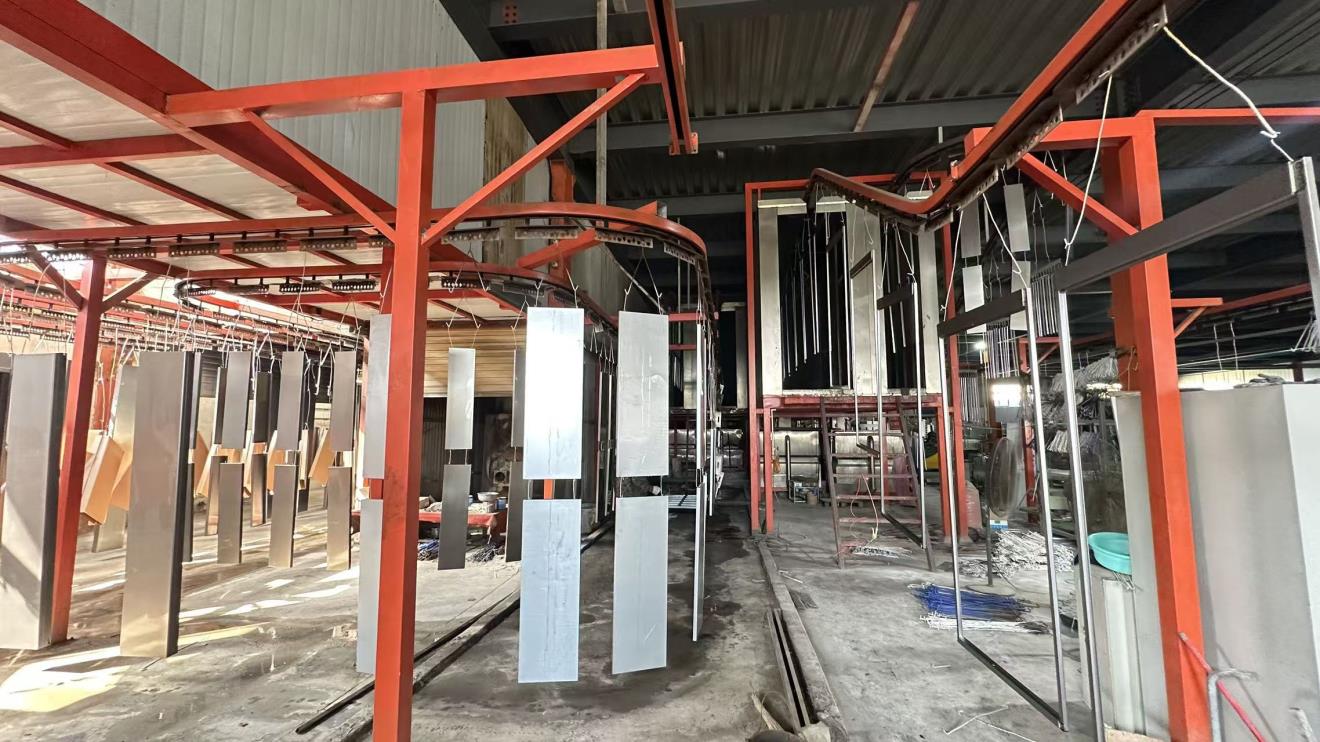
In addition to raw scale, Hebei safe manufacturers like Hebei RVault Box Co., Ltd. leverage state-of-the-art automated manufacturing processes. Advanced robotic fiber laser cutting machines produce complex interlocking door frames with tolerances below 0.1mm. High-precision hydraulic press brakes bend massive sheets of alloy steel without generating structural fatigue lines. Continuous automated powder coating lines apply extremely durable, scratch-resistant finishes that protect the steel substrate from oxidation in high-humidity climates. These integrated processes guarantee that every emergency safe meets strict mechanical and aesthetic parameters, ensuring reliability when emergency scenarios occur.
Modern commercial emergency safes are shifting from standalone digital lockers to networked IoT systems. Facility managers can monitor safe access logs and trigger secondary electronic override protocols remotely via secure, end-to-end encrypted tunnels.
Integrating multi-spectral fingerprint sensors allows our safes to verify sub-dermal skin patterns, rendering fake fingerprints useless and significantly reducing false rejection rates during high-stress emergency situations.
Understanding the strict definitions of emergency safety. While fire doors are fail-safe (unlocking during power loss to save lives), security safes must always be fail-secure (remaining locked during power loss), requiring mechanical or auxiliary electronic bypasses.
High-security emergency safes are not one-size-fits-all products; they must be optimized for localized threat matrices and operating environments across different sectors:
Hebei RVault Box Co., Ltd. is a professional and innovative safe manufacturer based in China, dedicated to the design, development, and production of high-quality security safes. With more than 20 years of manufacturing experience, we have established ourselves as a trusted brand in both domestic and international markets, known for our reliability, advanced technology, and commitment to excellence.
Our product portfolio is comprehensive and continuously expanding to meet the diverse needs of our customers. We offer a wide range of safes, including home safes, digital safes, electronic safes, motorized safes, office safes, fingerprint safes, and mechanical safes. These products are widely used in households, offices, financial institutions, and commercial establishments, providing reliable protection for valuables, important documents, and sensitive items.
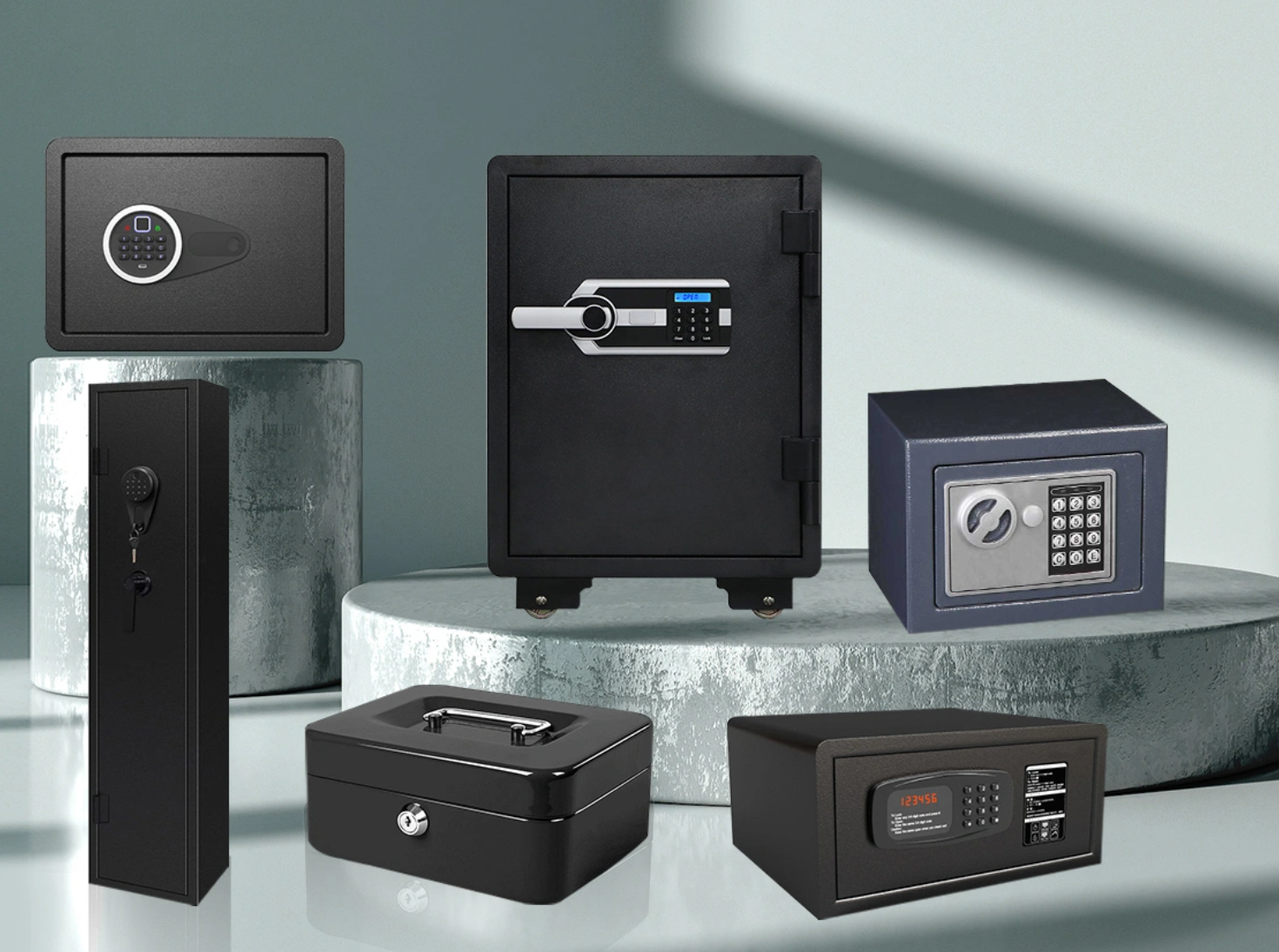
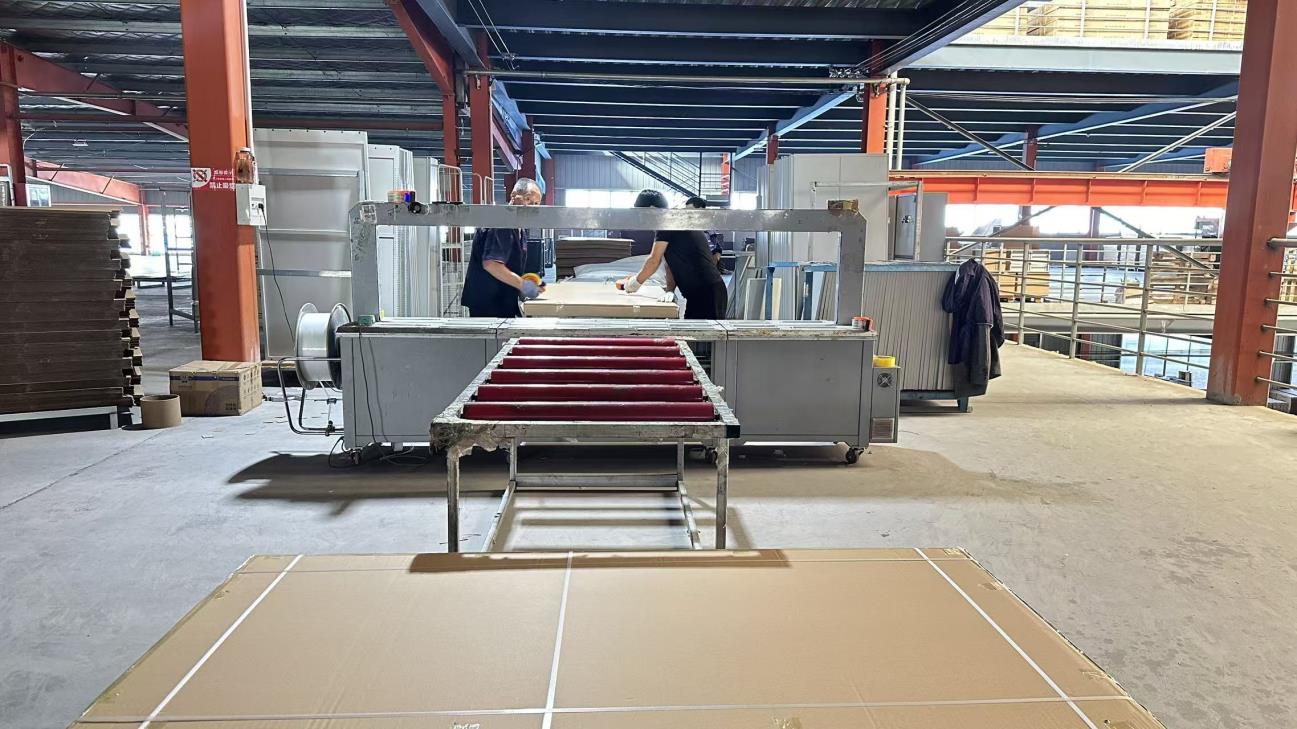
Operating out of modern production facilities with multiple automated production lines, supported by a skilled workforce of over 150 employees, our monthly production capacity reaches 50,000 units. This ensures consistent supply and reliable on-time delivery to B2B clients and importers worldwide. We also provide flexible OEM and ODM services, enabling customers to customize products according to their specific mechanical layout, branding, size constraints, or electronics integration.
Quality is the absolute cornerstone of our business. We implement a rigorous multi-step quality control system, including four inspections during production and a 100% final inspection during assembly, ensuring that each product meets international safety standards and exceeds customer expectations. Our R&D team continuously develops new technologies, such as advanced biometric authentication and smart security systems, to enhance the functionality and security of our products.
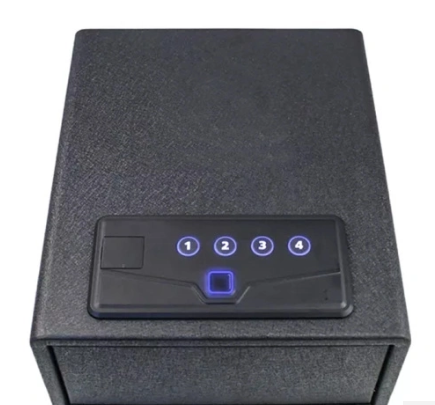
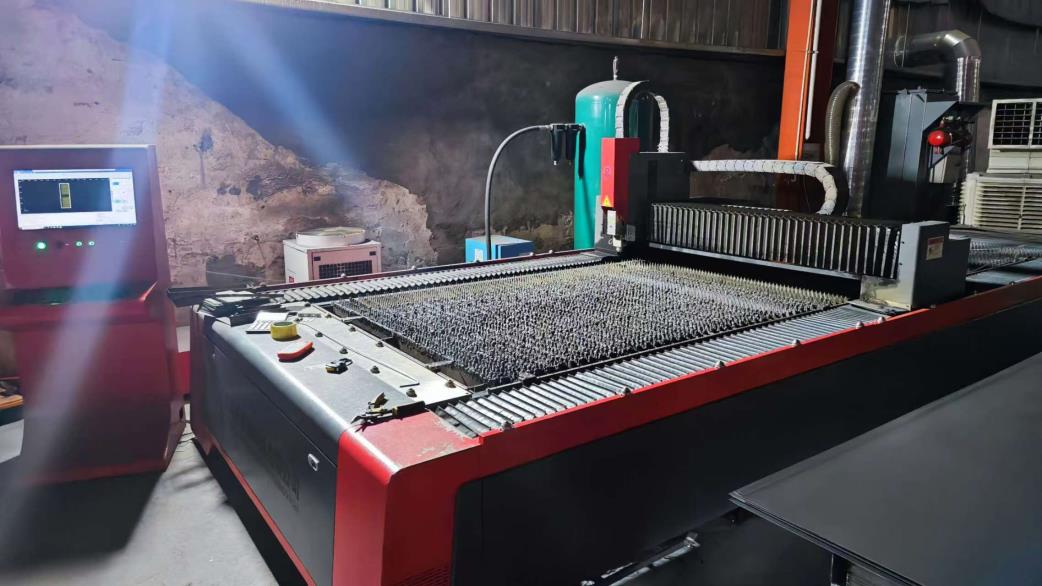
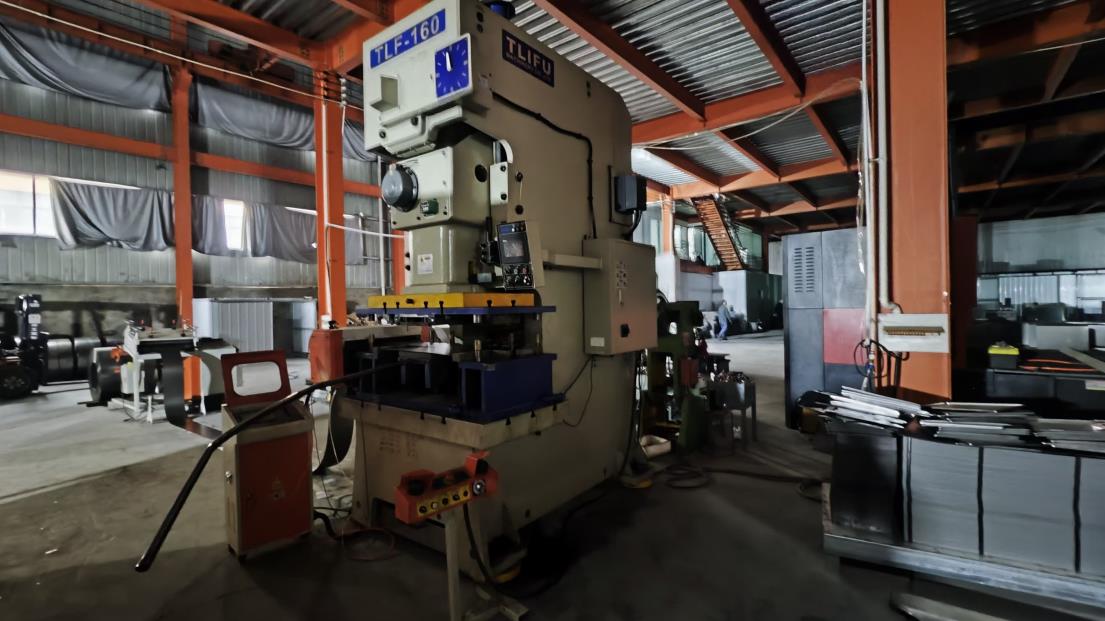
When selecting a manufacturing partner for emergency safes, procurement directors and B2B buyers must evaluate technical specifications to avoid inventory liability and post-sale failure overhead. Below are the key engineering specifications that dictate product lifespans and security ratings:
| Specification Point | Technical Expectation | Compliance Impact |
|---|---|---|
| Steel Formulation | Low-carbon alloy cold-rolled Q235 steel plates. Door plate thickness 4-10mm, wall thickness 2-6mm. | Determines resistance against drilling, prying, and heavy structural blows. |
| Lock Mechanism Type | Motor-driven steel deadbolts or solenoid locks with anti-tamper locking sensors. | Ensures structural locking locks remain closed during physical impacts. |
| Emergency Override Mechanism | High-security double-bitted mechanical key lock with anti-picking cylinders. | Guarantees access under power failure conditions without compromising burglary resistance. |
| CE Certification Compliance | EN 61000-6-3 (Emission Standards) and EN 61000-6-1 (Immunity Standards) for locking circuits. | Required for importing into EU markets, proving product electronic safety. |